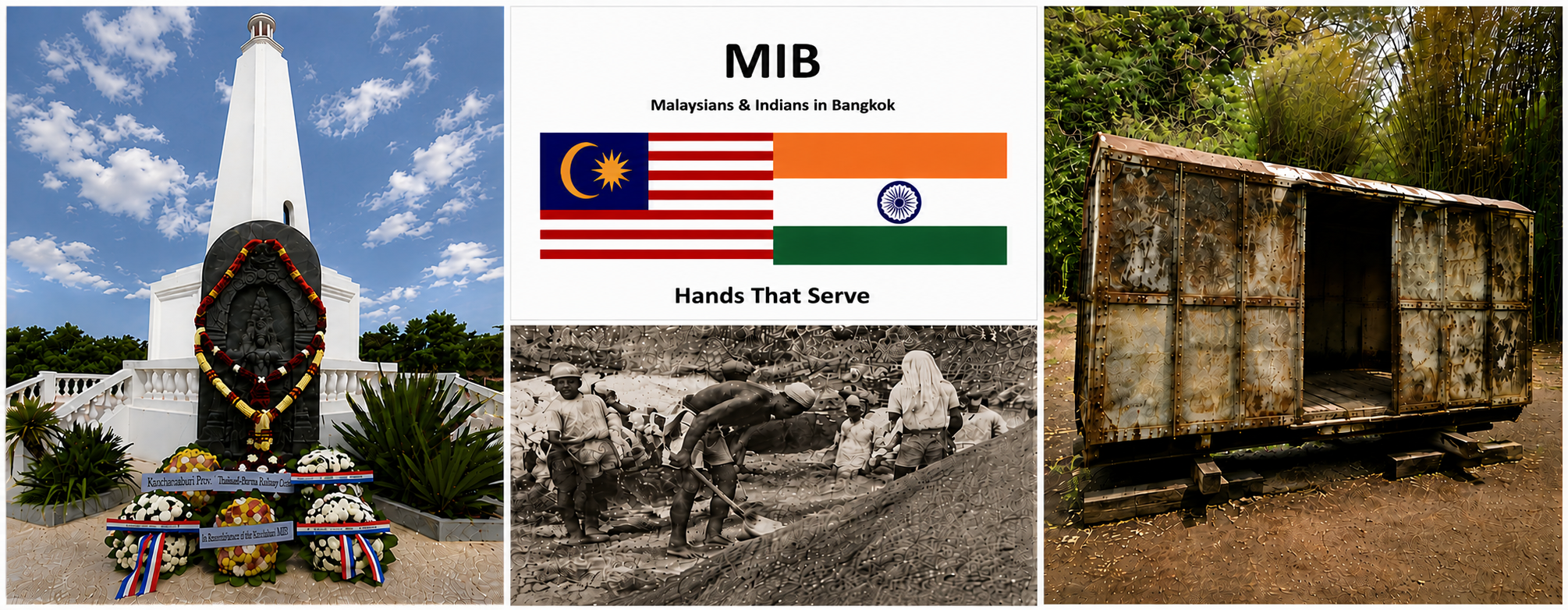
May 1st 2026 Labor Day –
From MIB Director Dr. Silva Kumar:
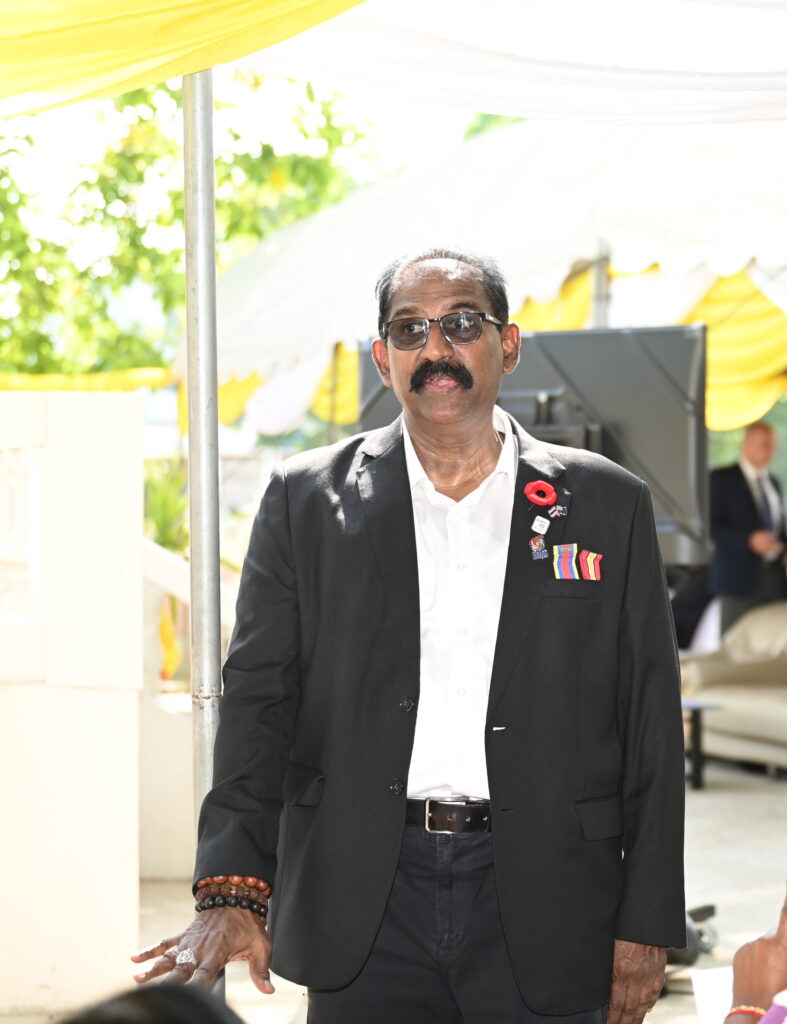
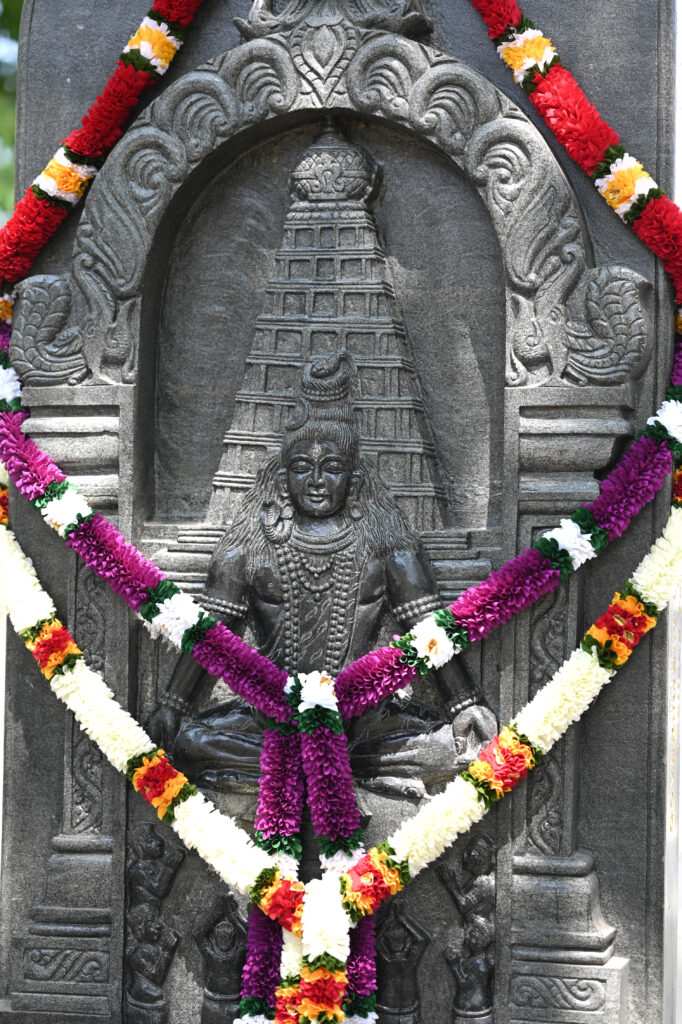
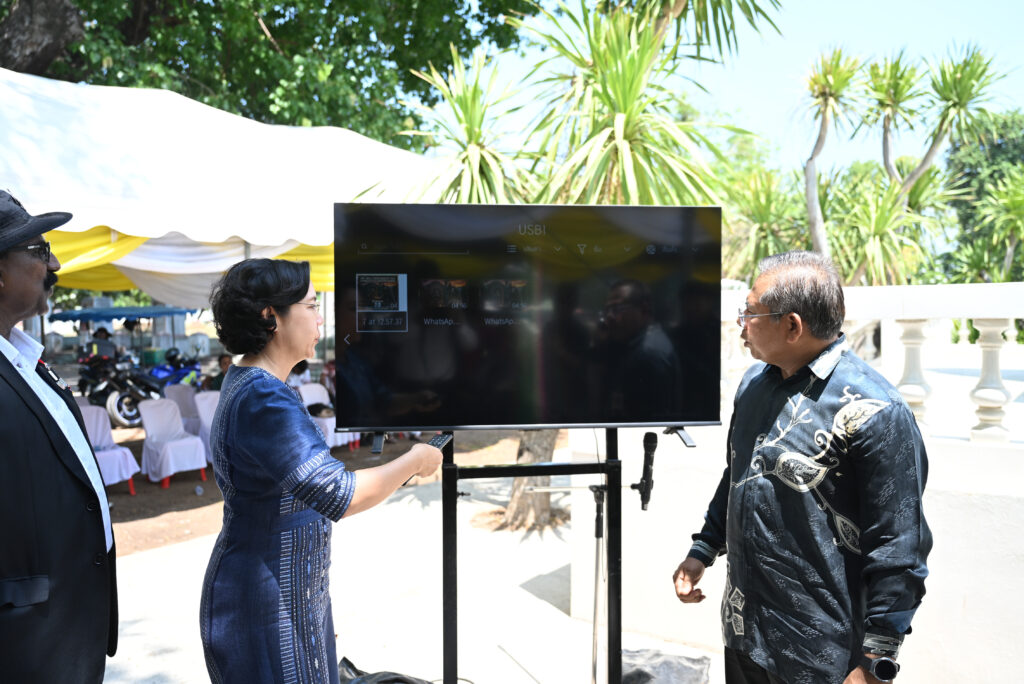
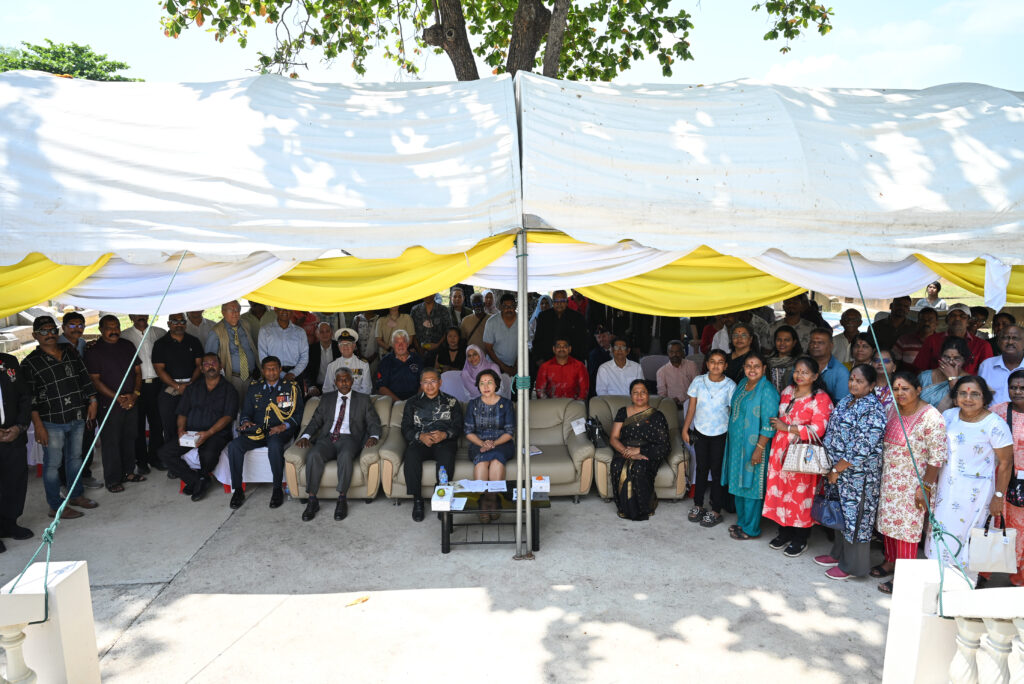
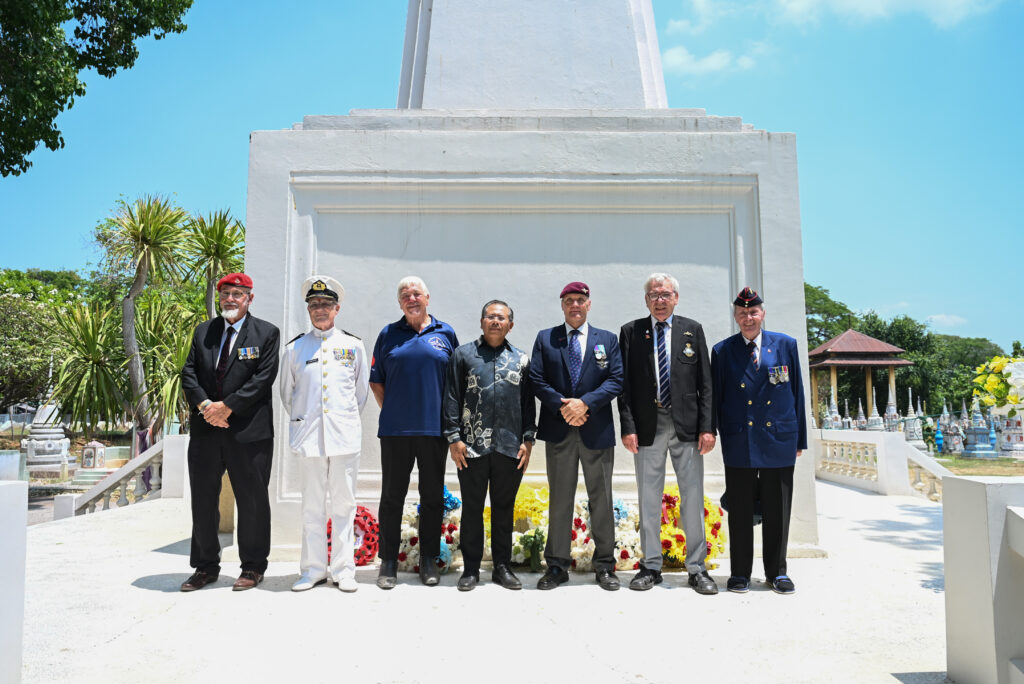
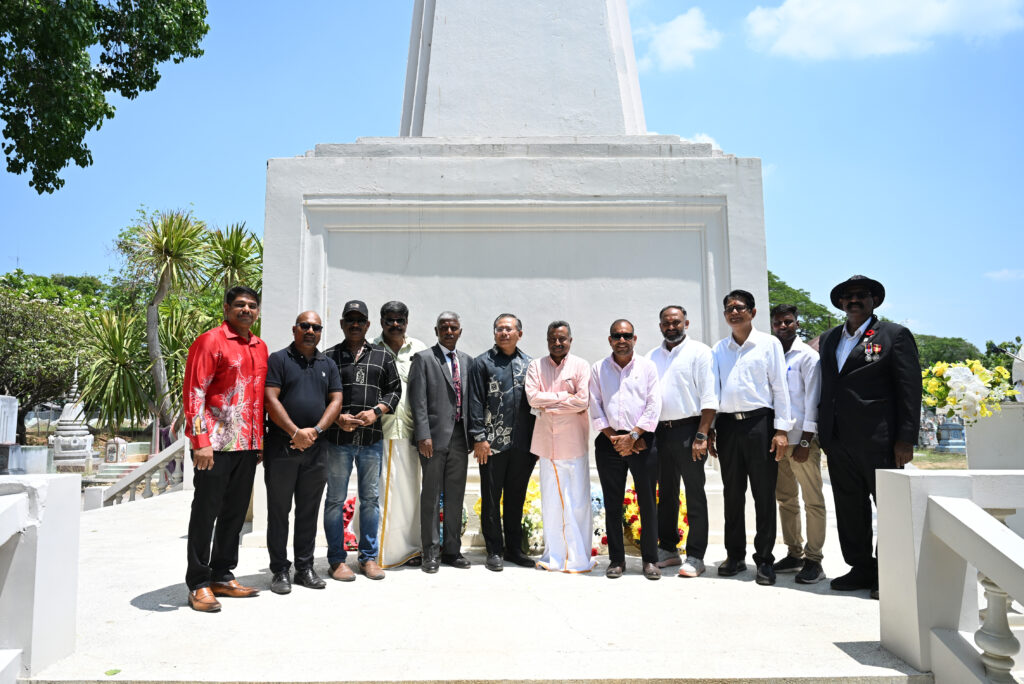
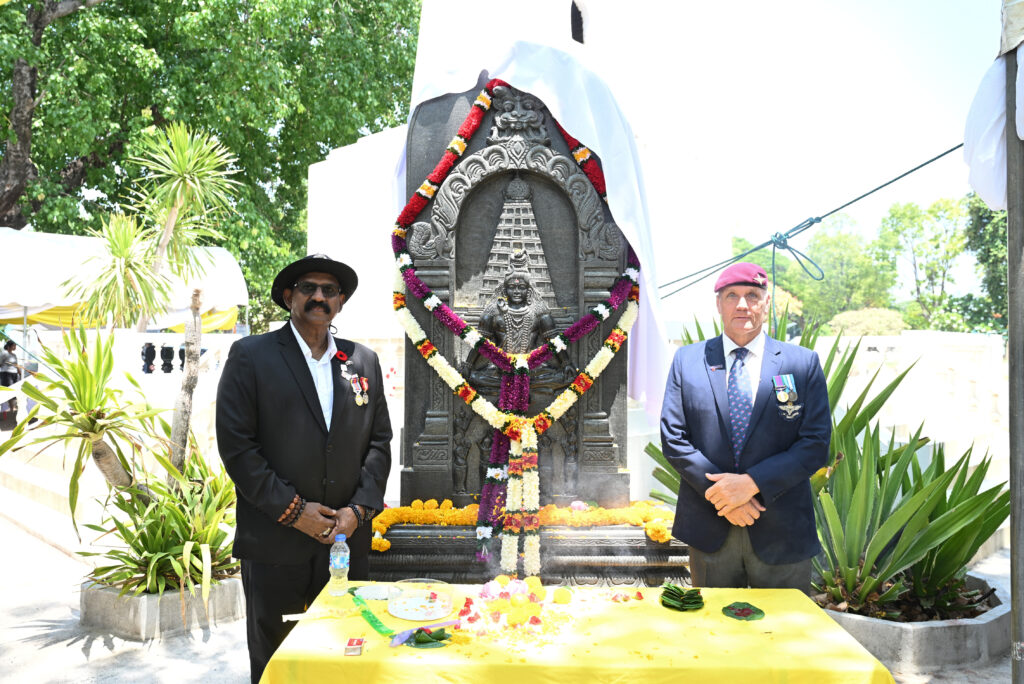
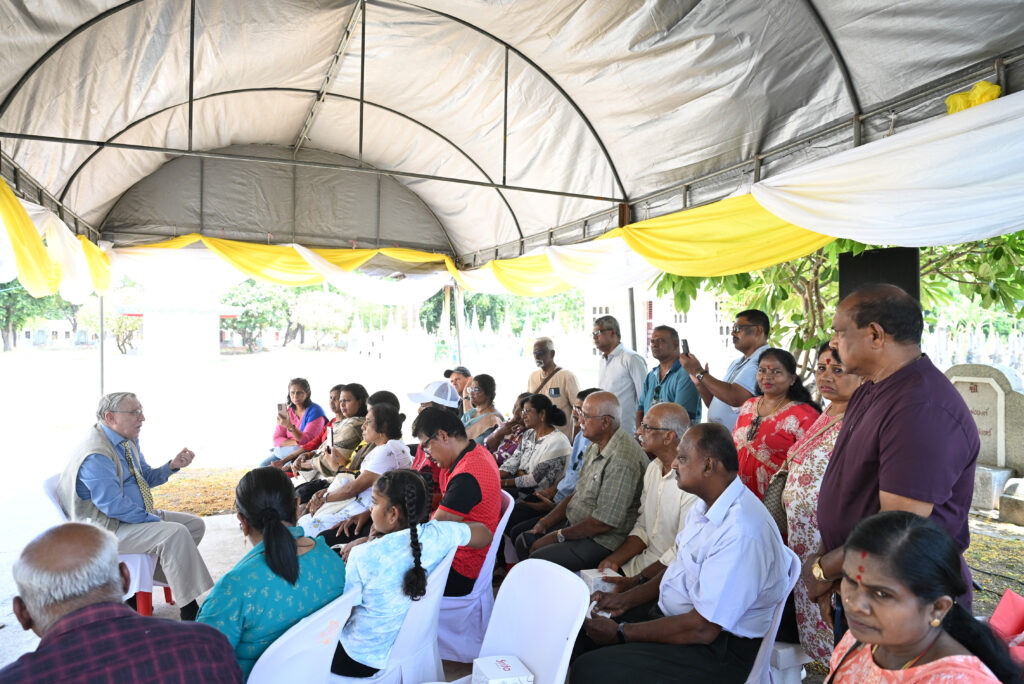
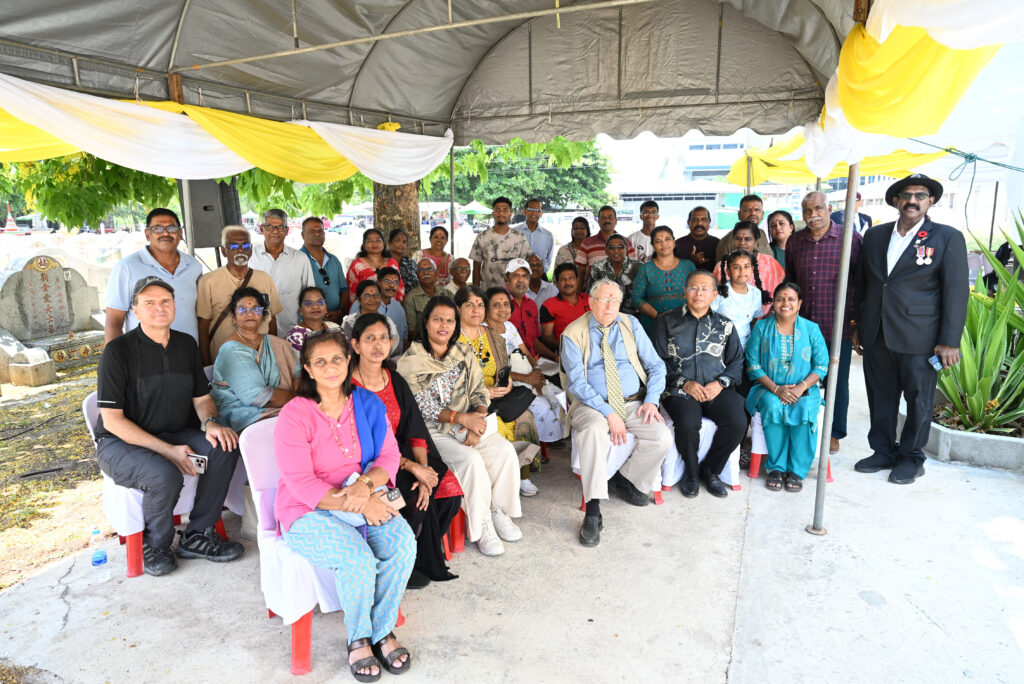
MIB – Malaysians & Indians held our 2nd year Anniversary for Nadukal – Herostone.
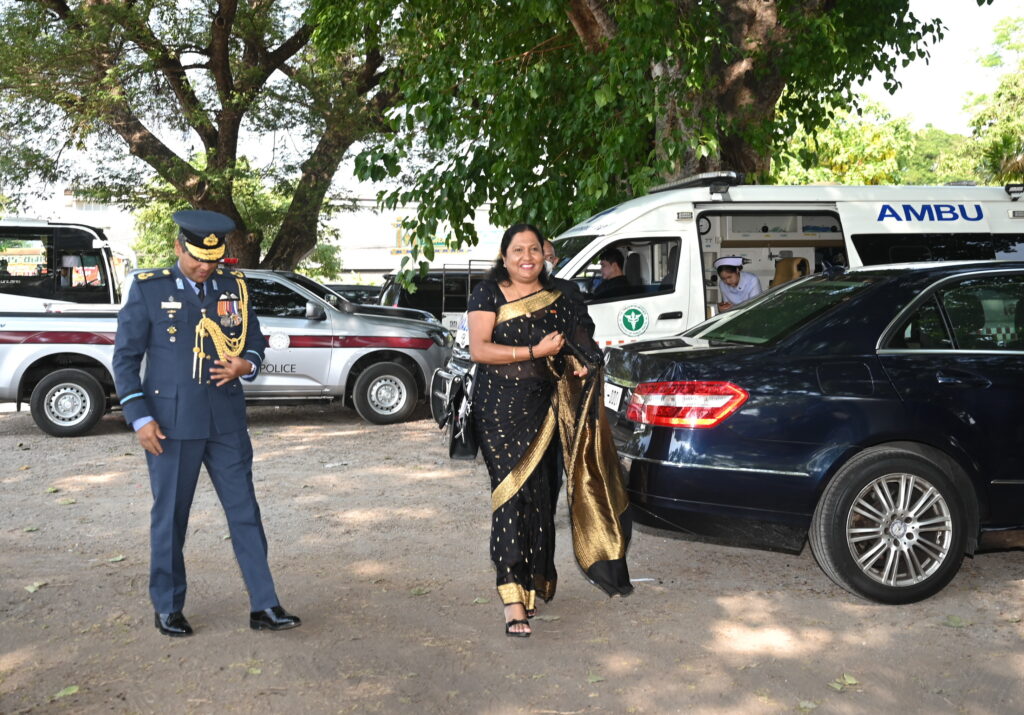
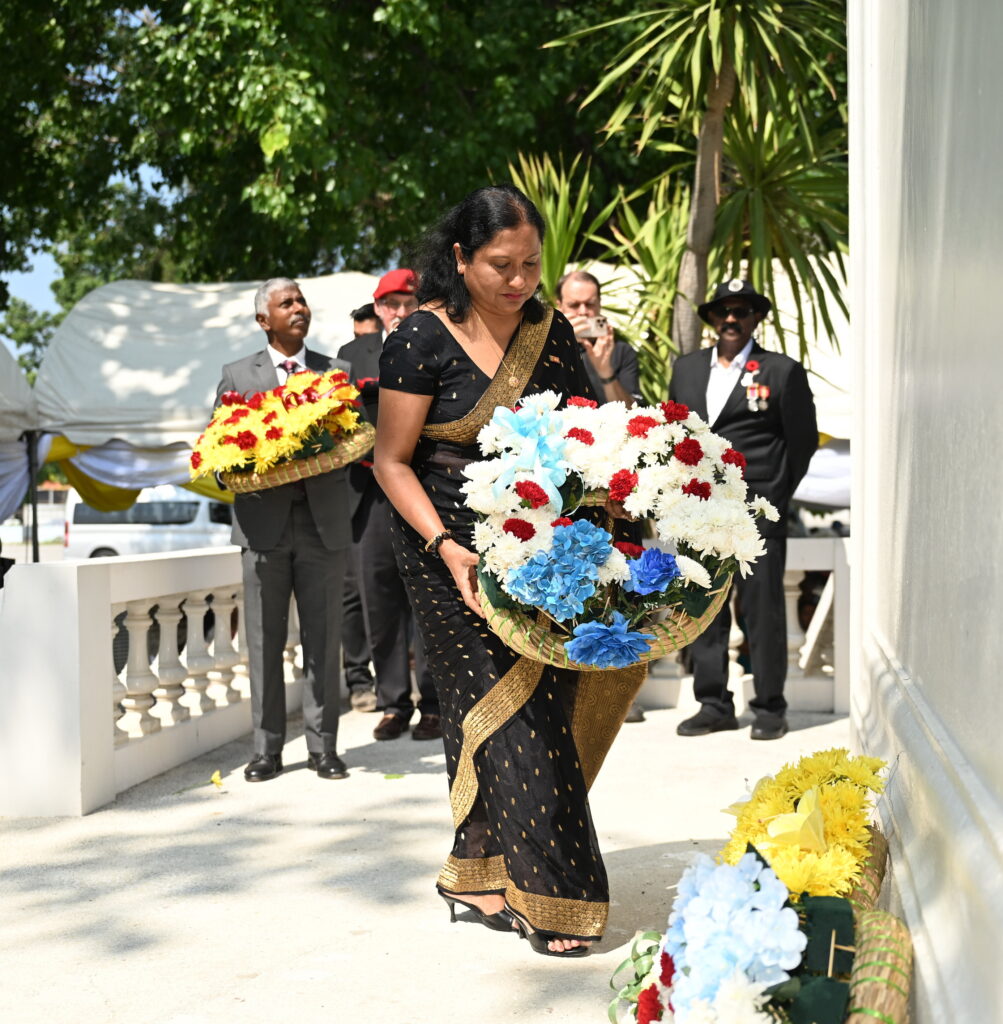
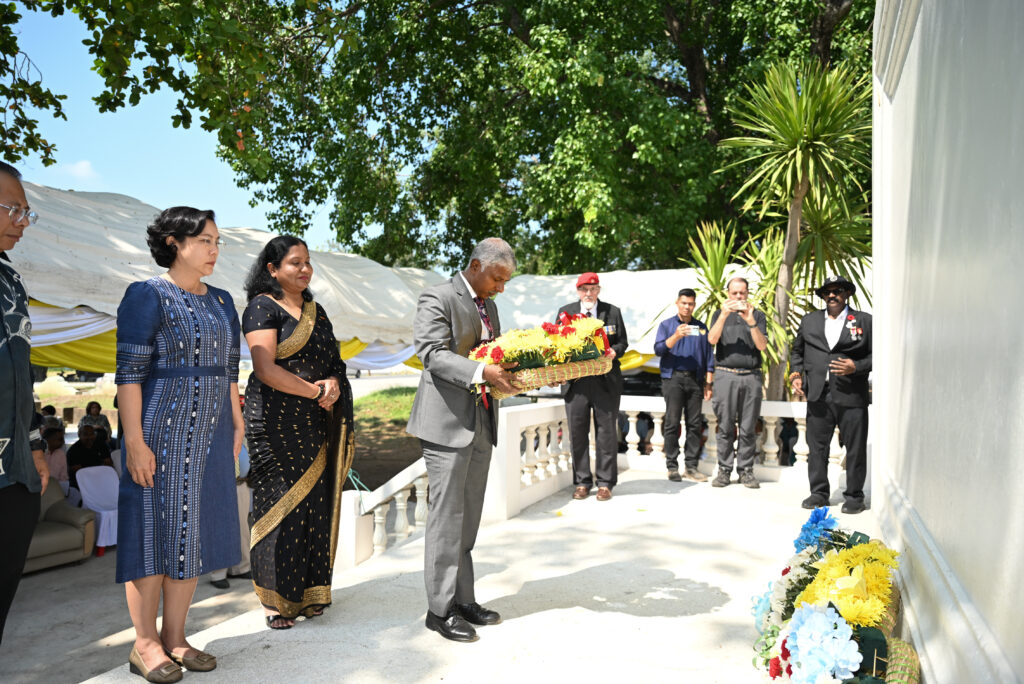
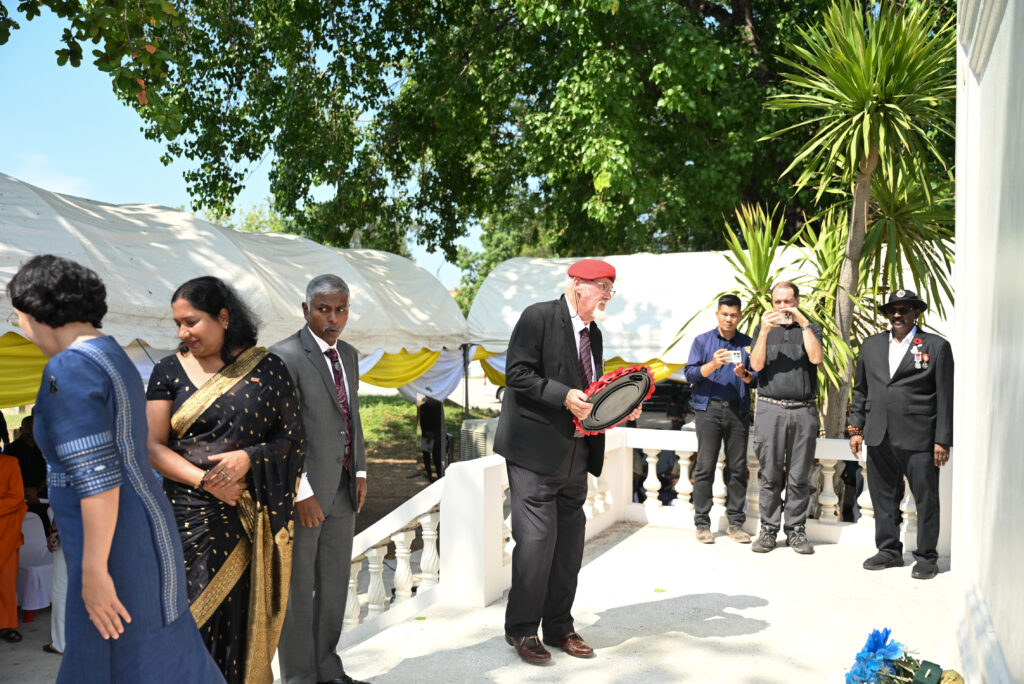
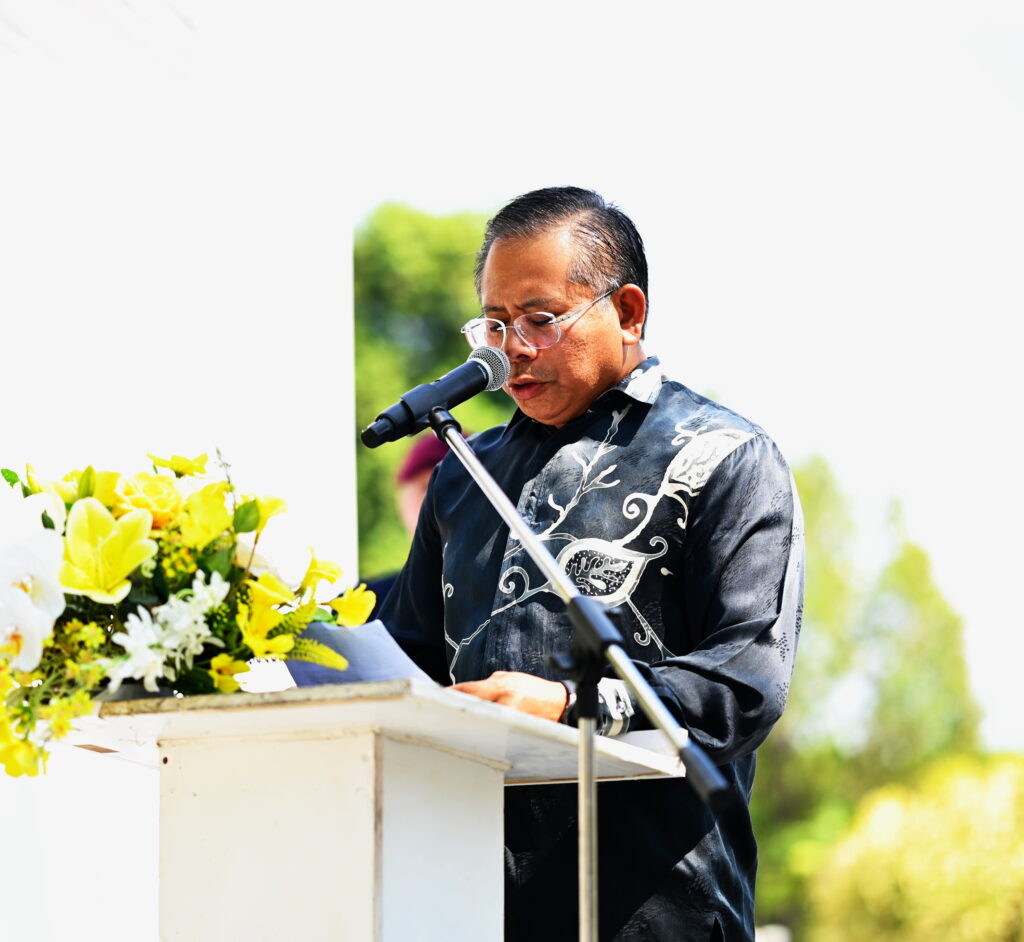
The occasion was graced By His and Her Excellencies from The Malaysian Embassy, The Sri Lankan Embassy, The Governor of Kanchanaburi Province and The Indian Embassy.
We are hoping with all other related museums and people involved in TBR write ups are aware of this historic monument for Asian Forced Laborers in Kanchanaburi Thailand
Thank you everyone. We are proud to say we have brought closure to the cries of romusha and also we now have a presence in Kanchanaburi.
Gallery of Selected Photographs:
For the longest time, their story has been largely unknown, but today we re-start that process of formally recognizing their existence, their suffering, and their plight, so that all, and future generations to come, will know their story.
We do not know your name
We do not know your home
Nor the promises broken
Nor the tears that were cried, for you were once a mother’s son
She must have waited patiently for some word from you and for your safe return that never came
We do not know your fears that have for so long been unspoken
But we know that your spirit exists
That your suffering is remembered
By each soul that is inspired by our actions today
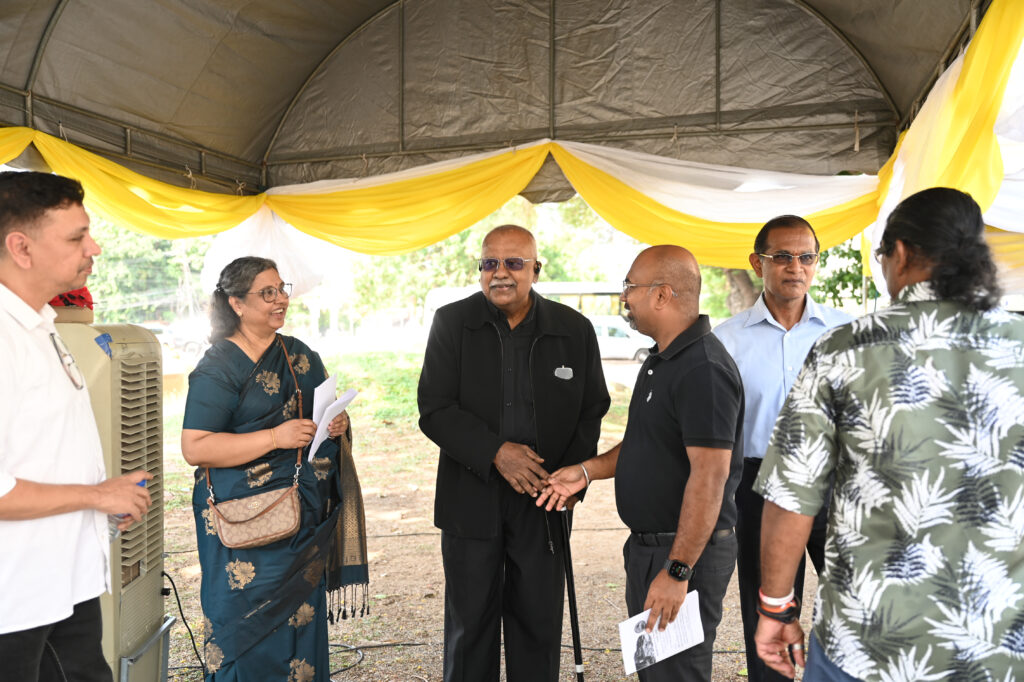
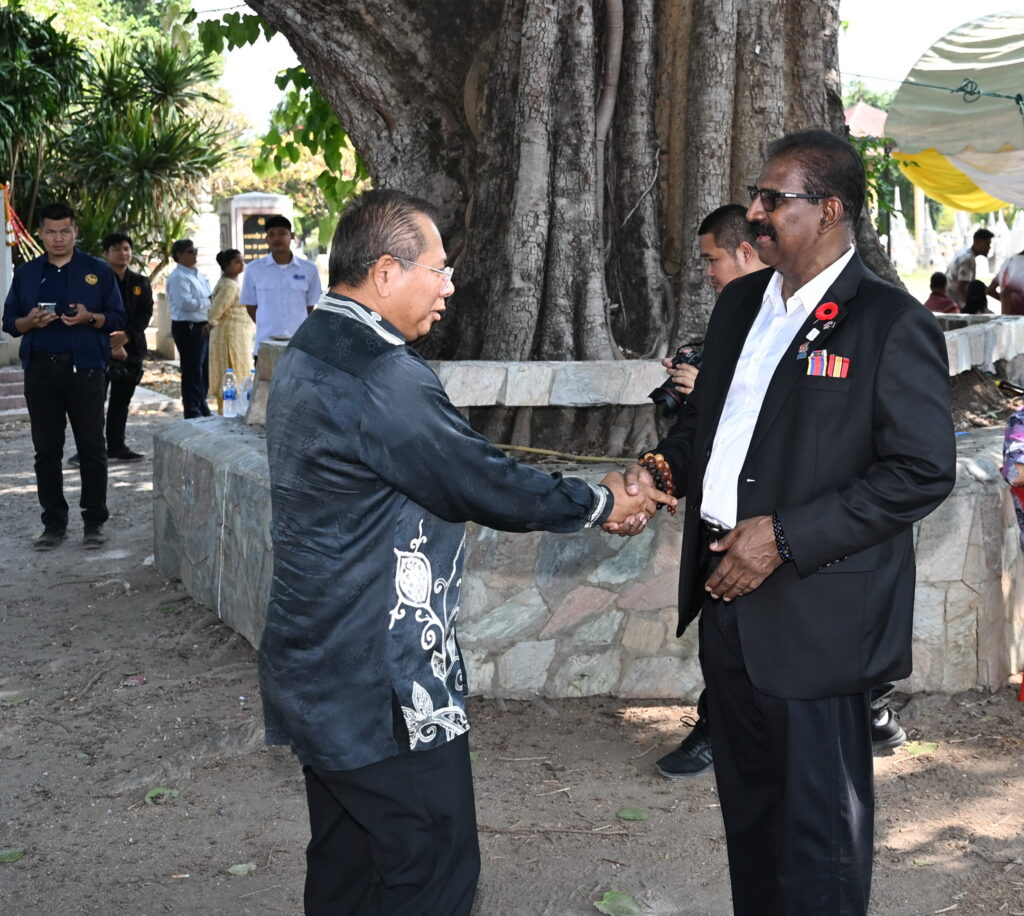
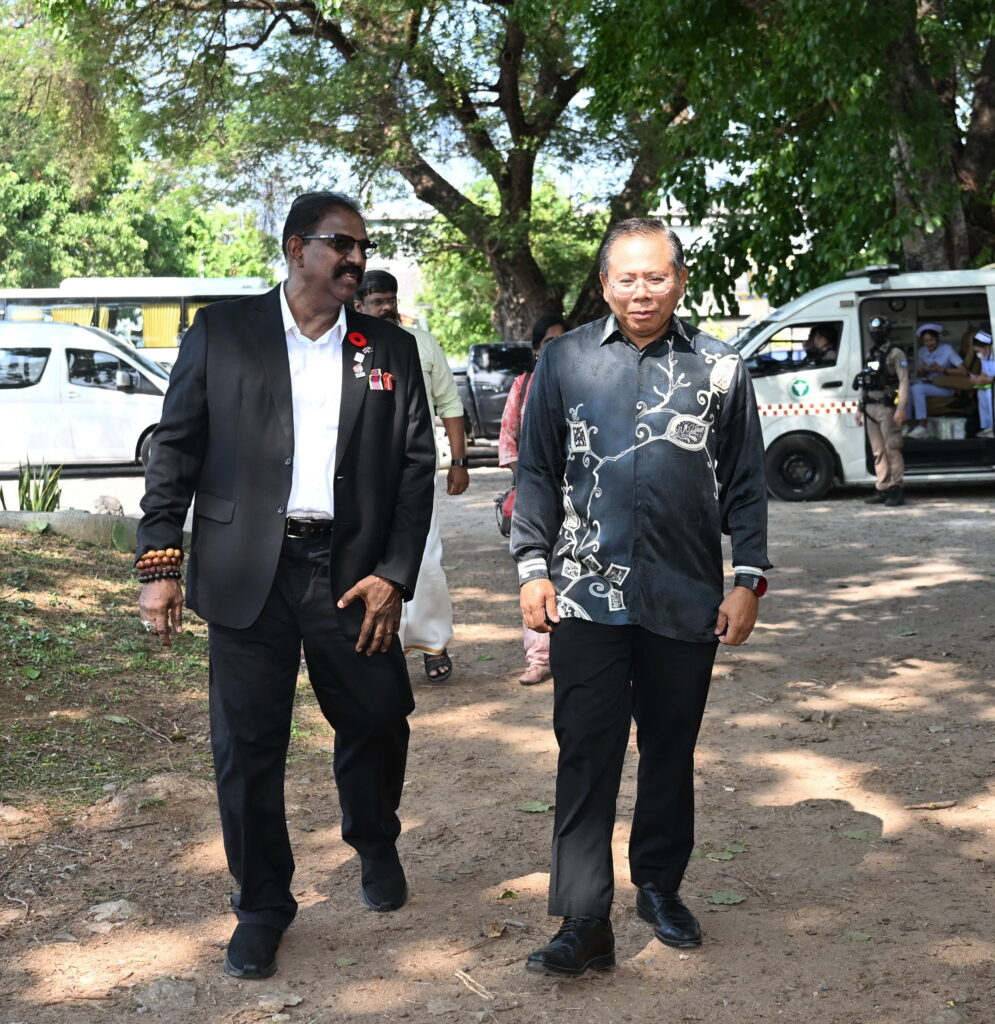
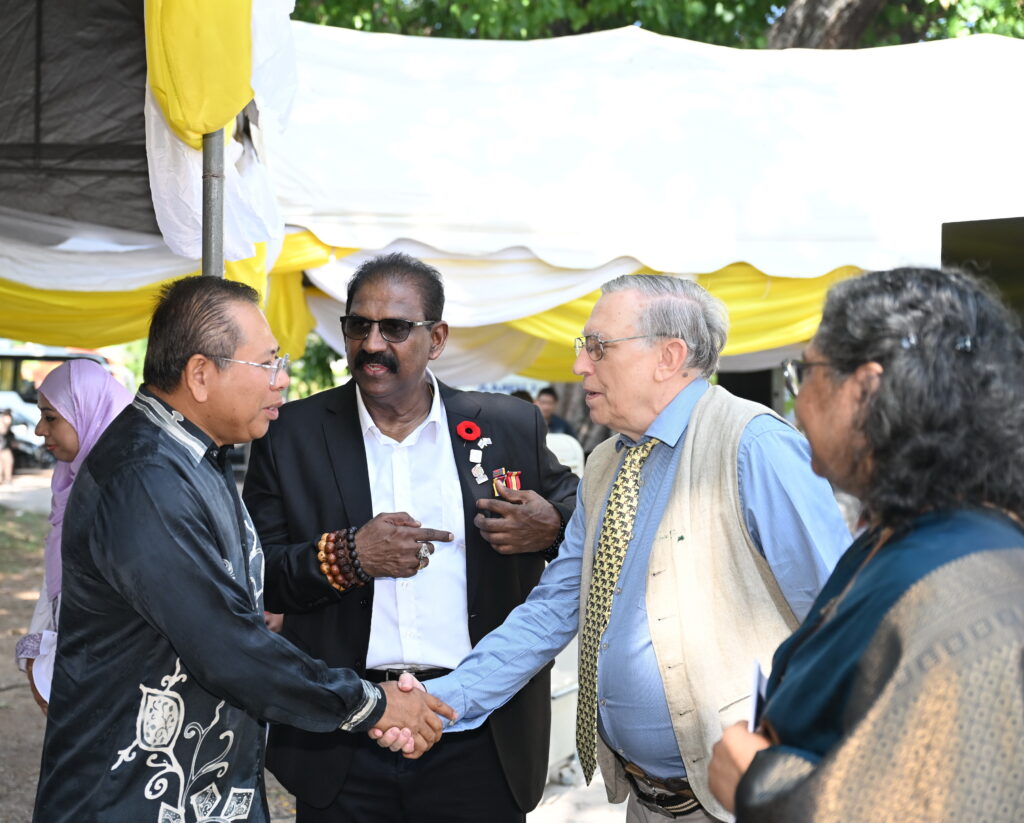
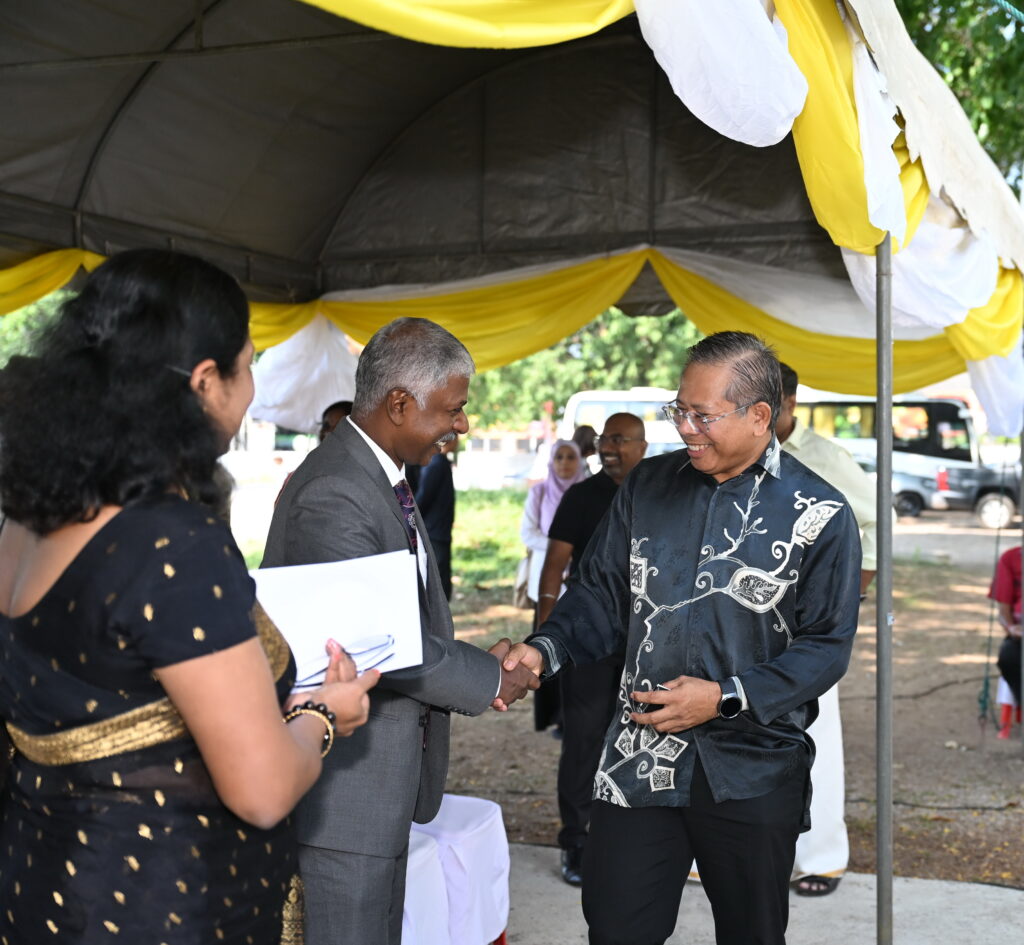
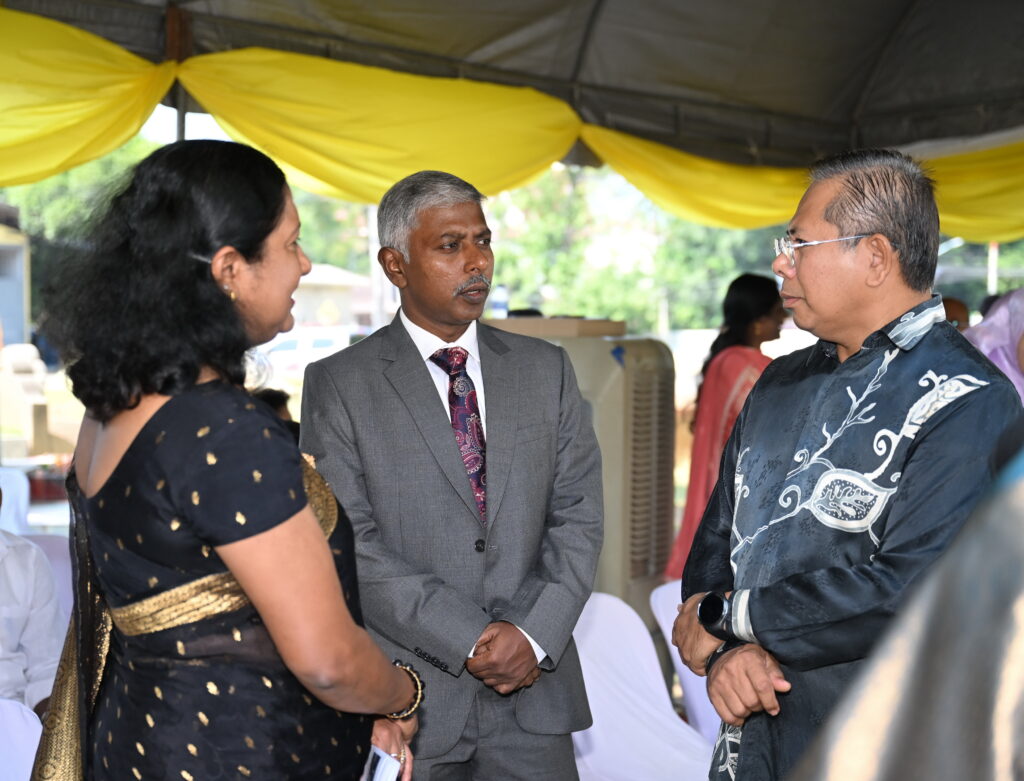
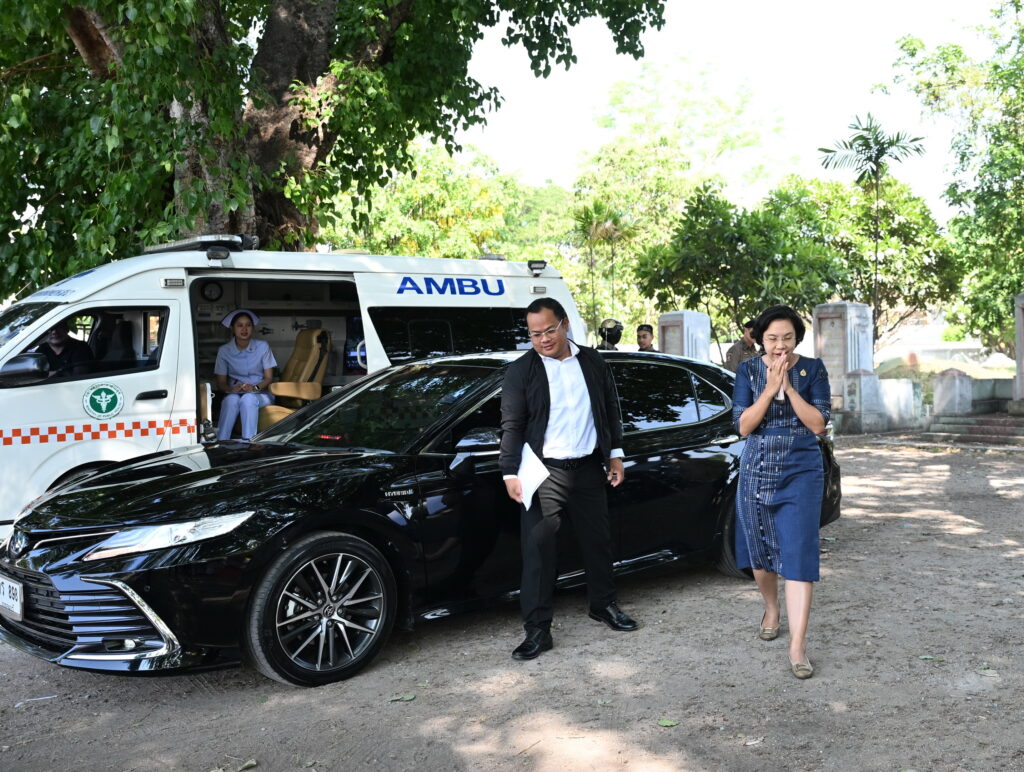
Governor of Kanchanaburi
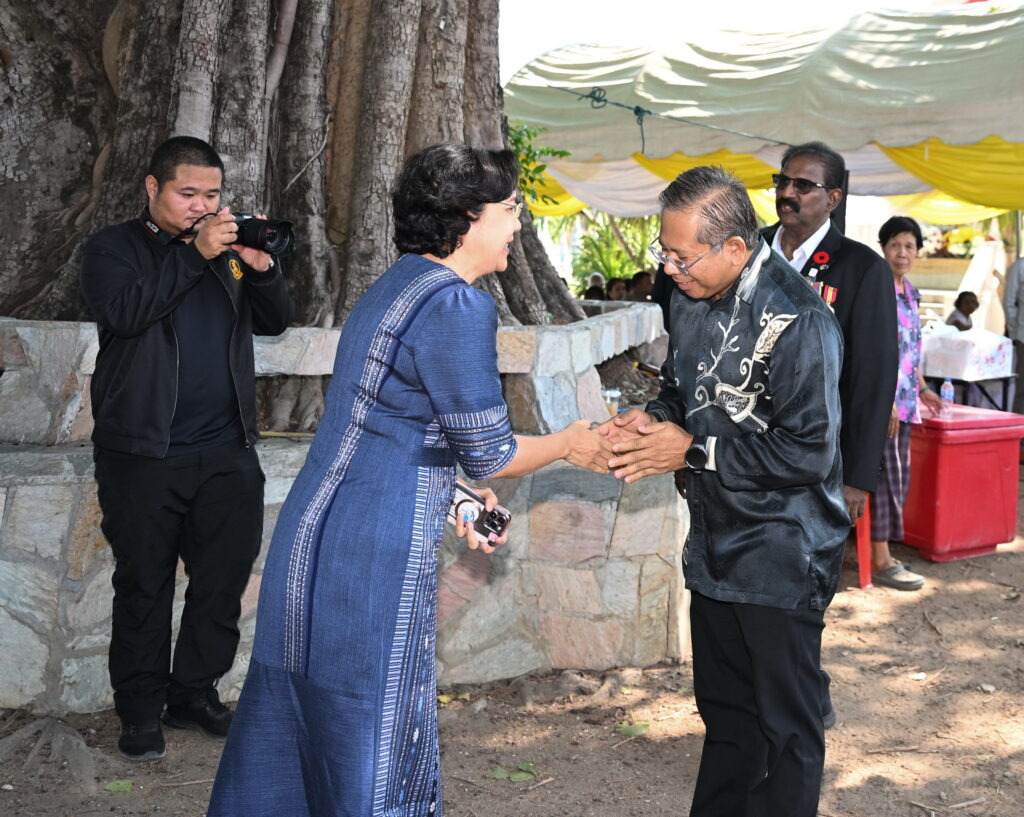
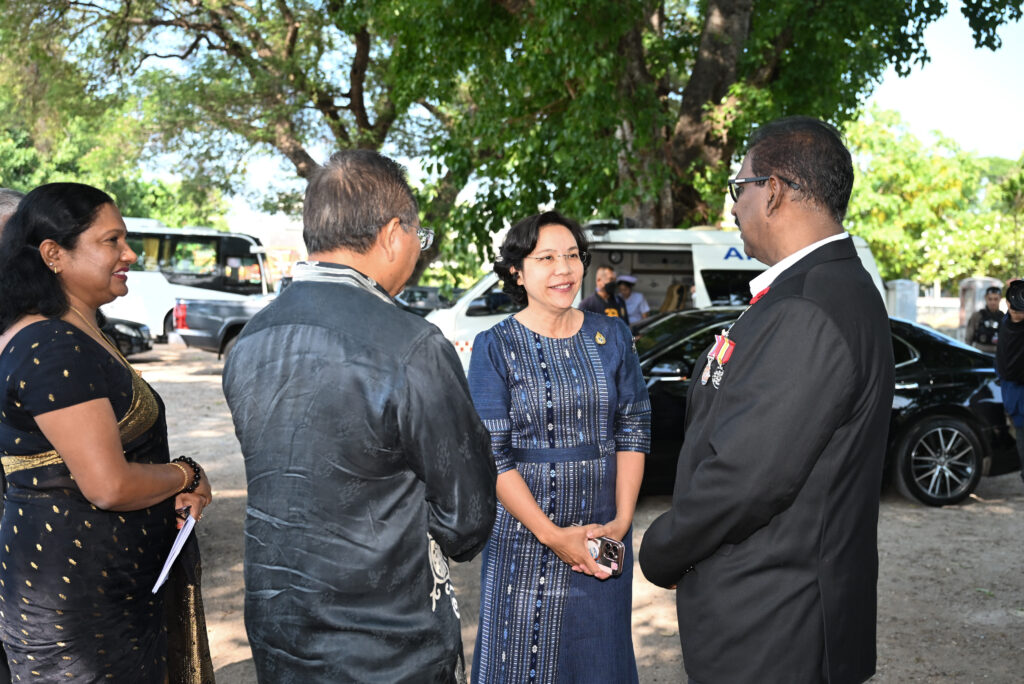
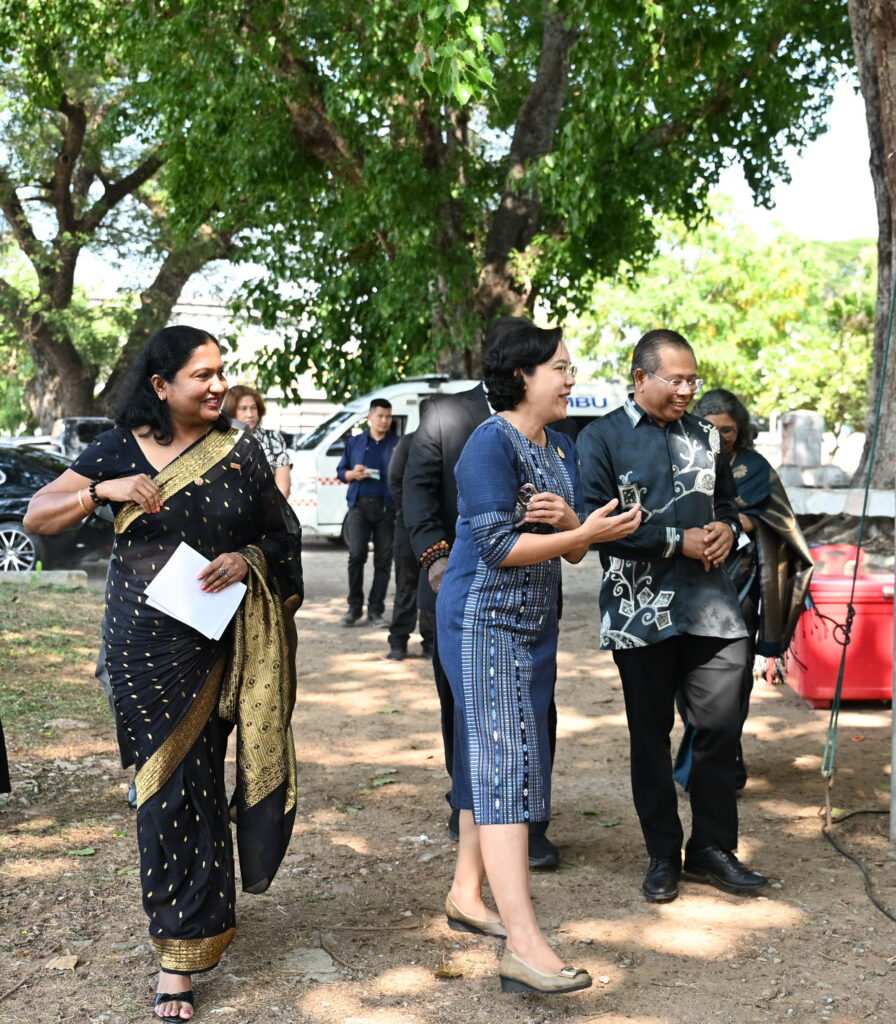
Governor of Kanchanaburi
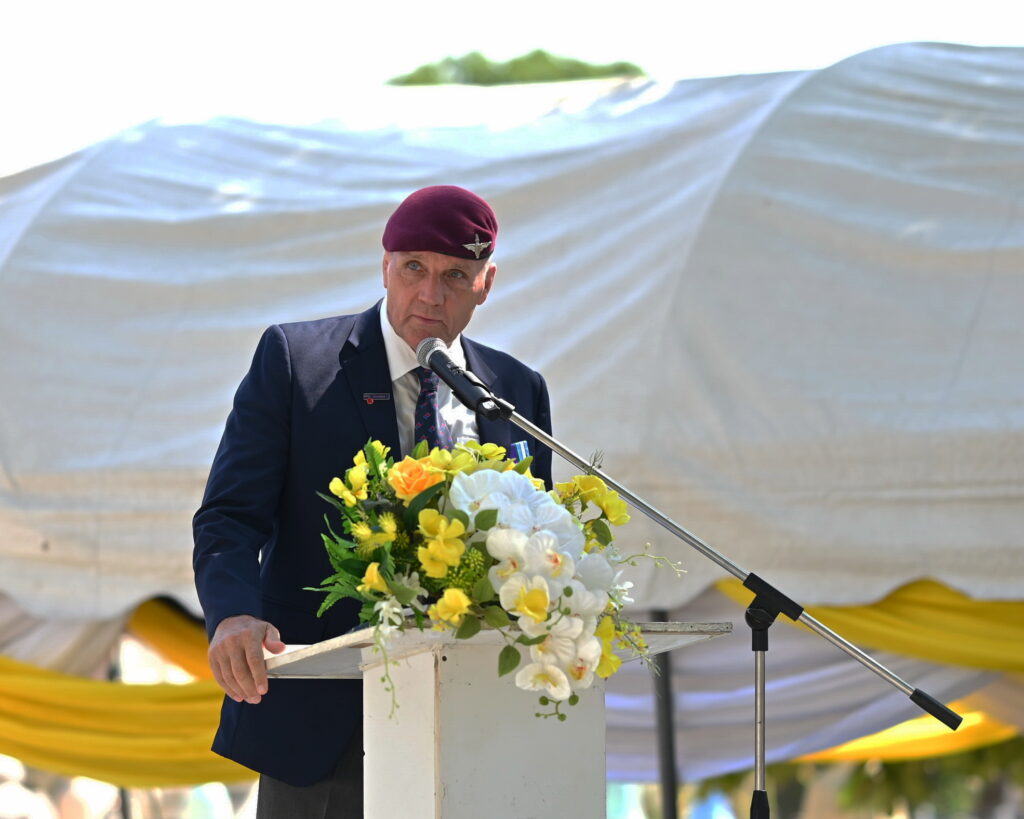
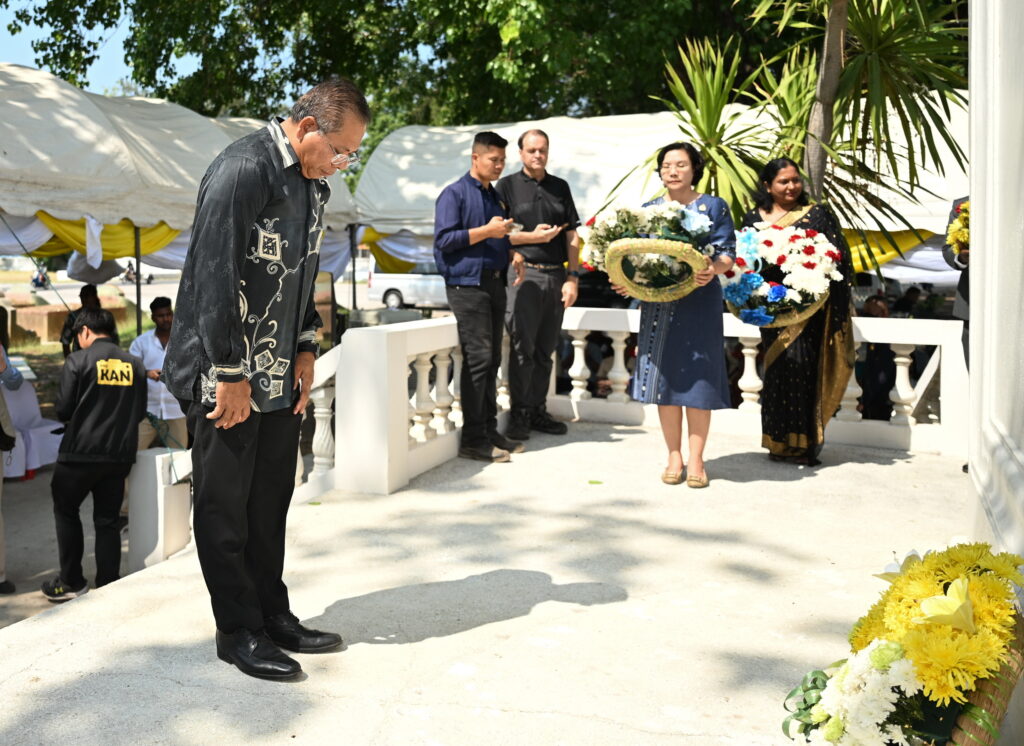
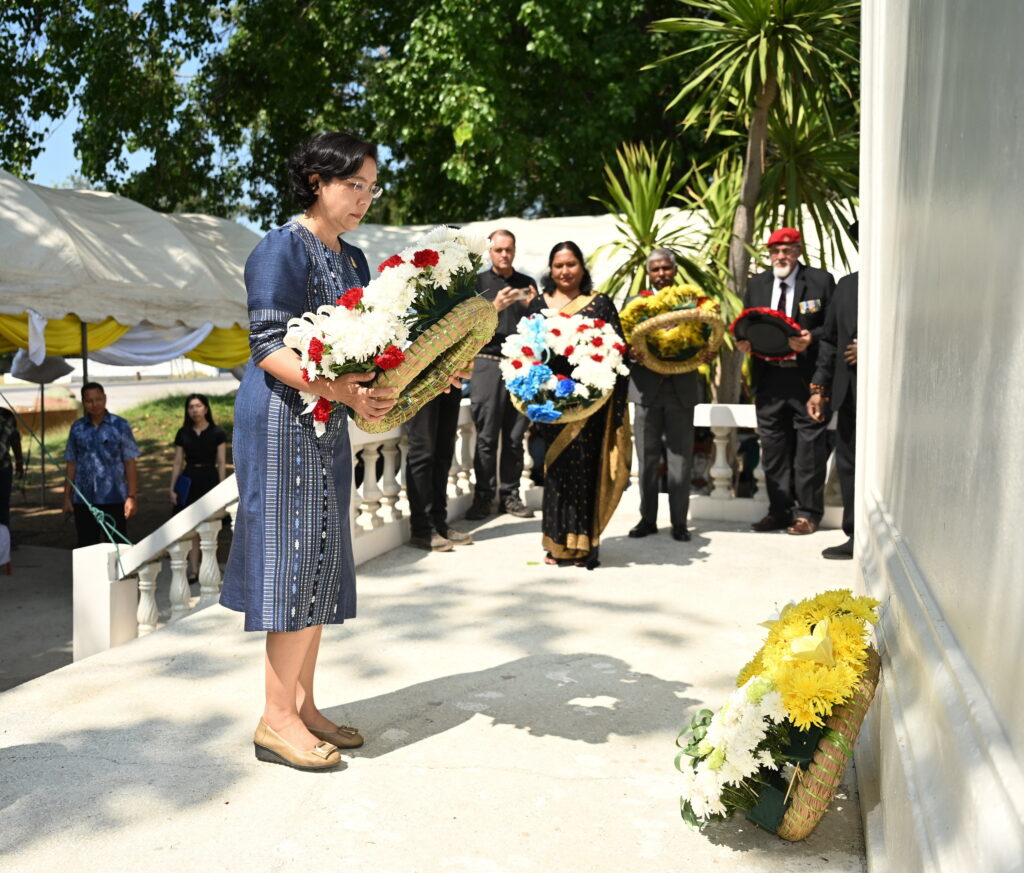
Governor of Kanchanaburi
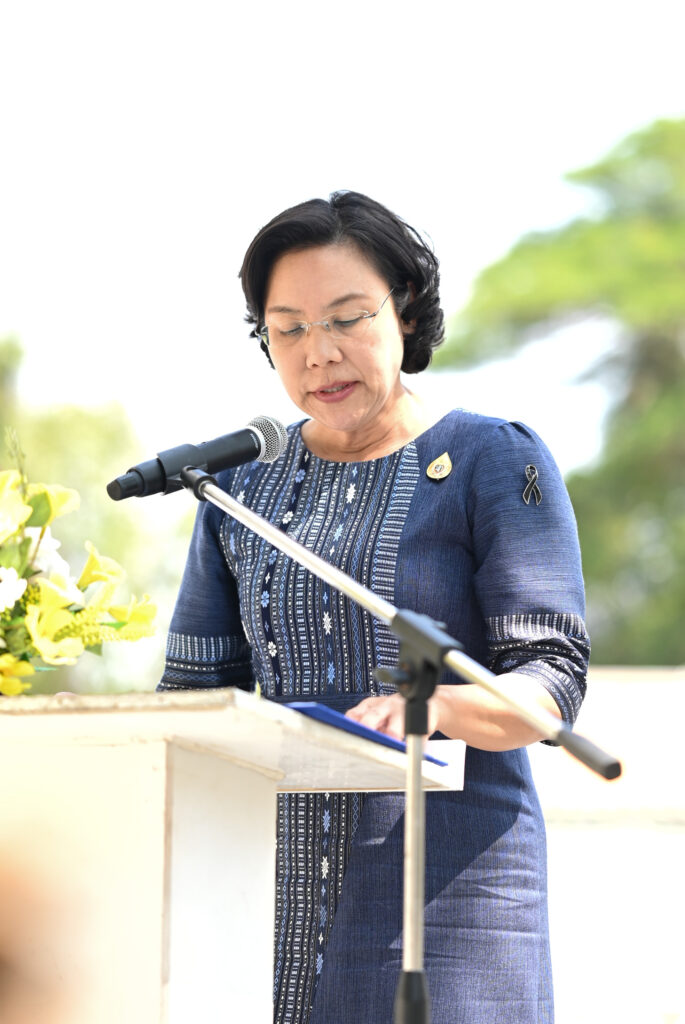
Governor of Kanchanaburi
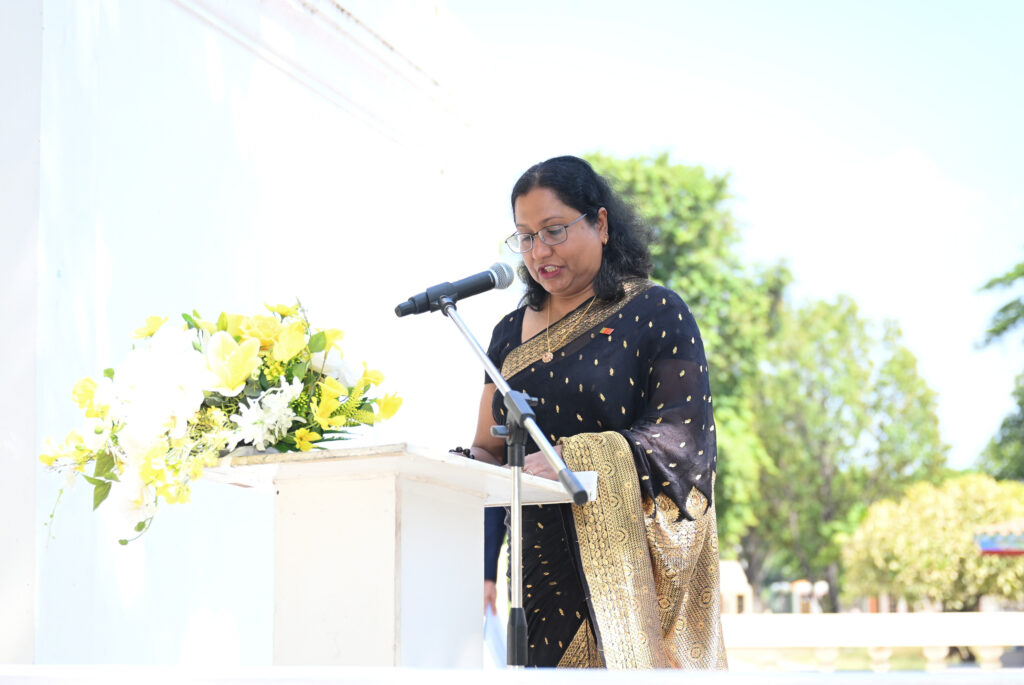
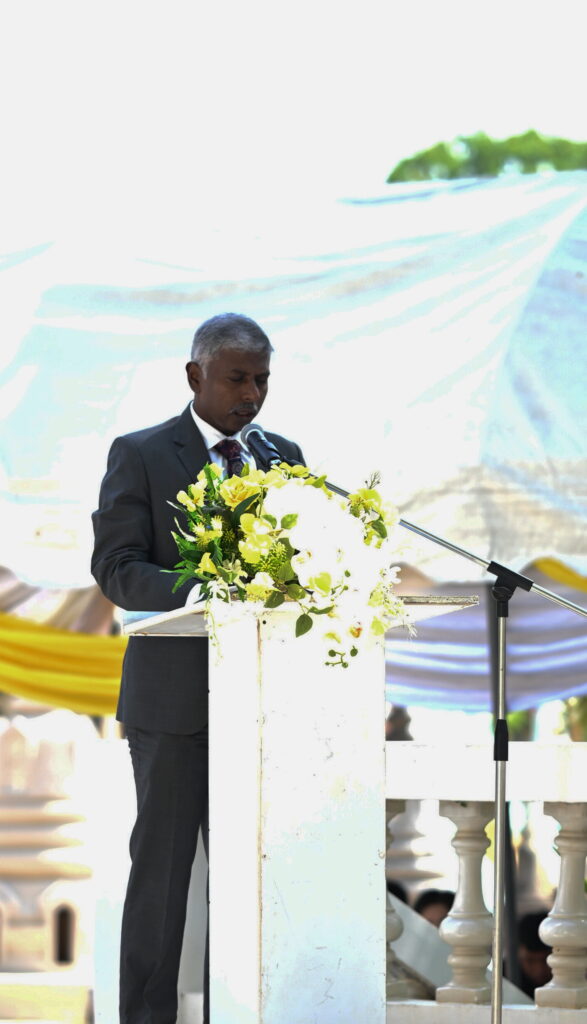
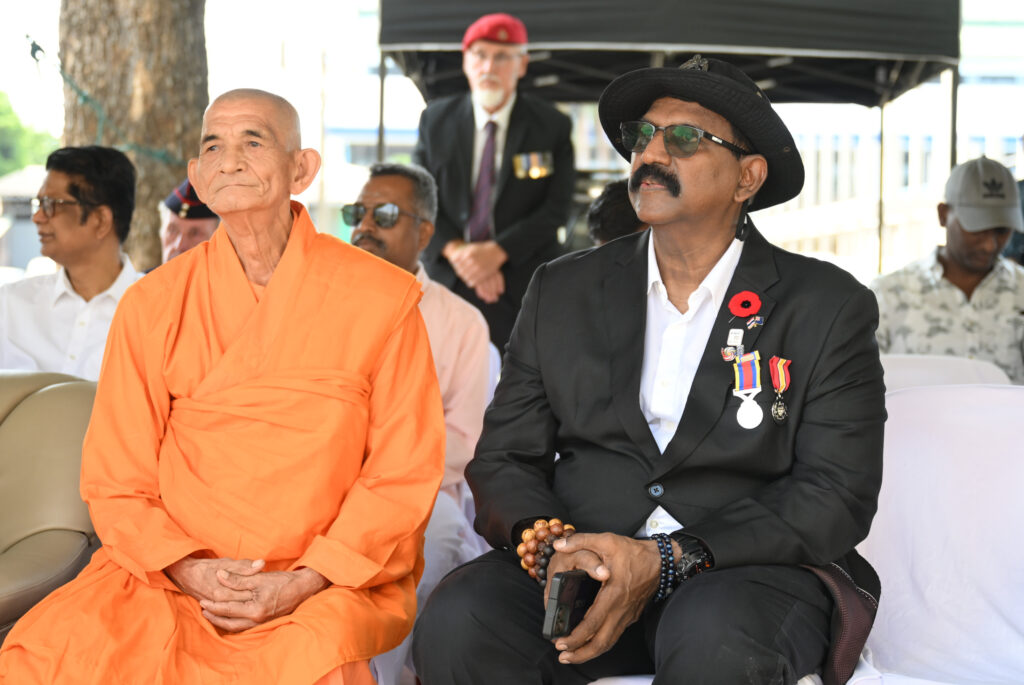
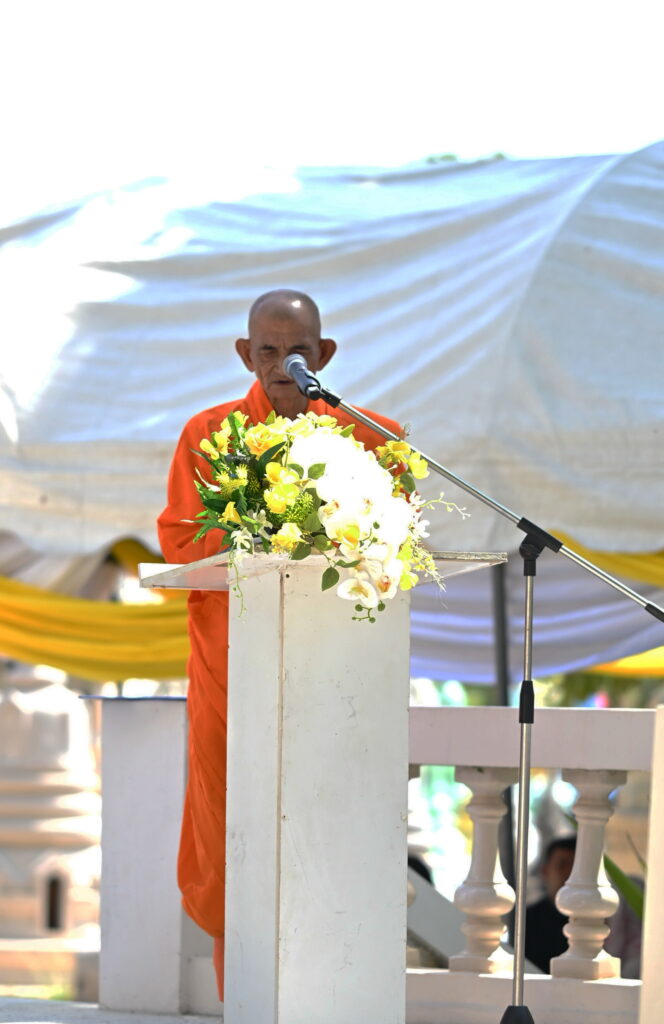
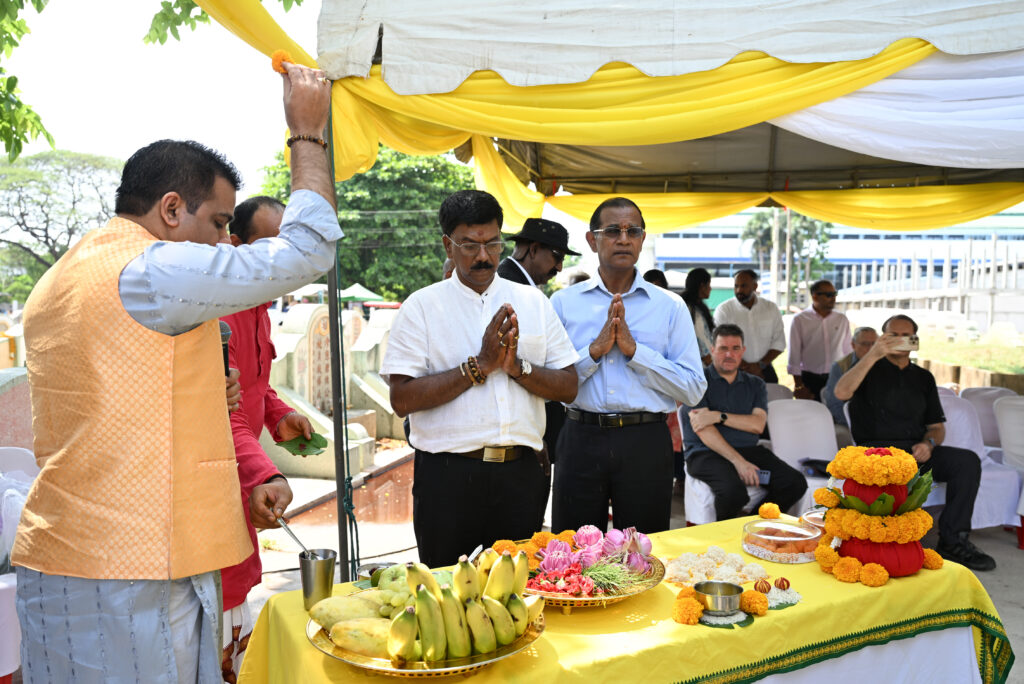
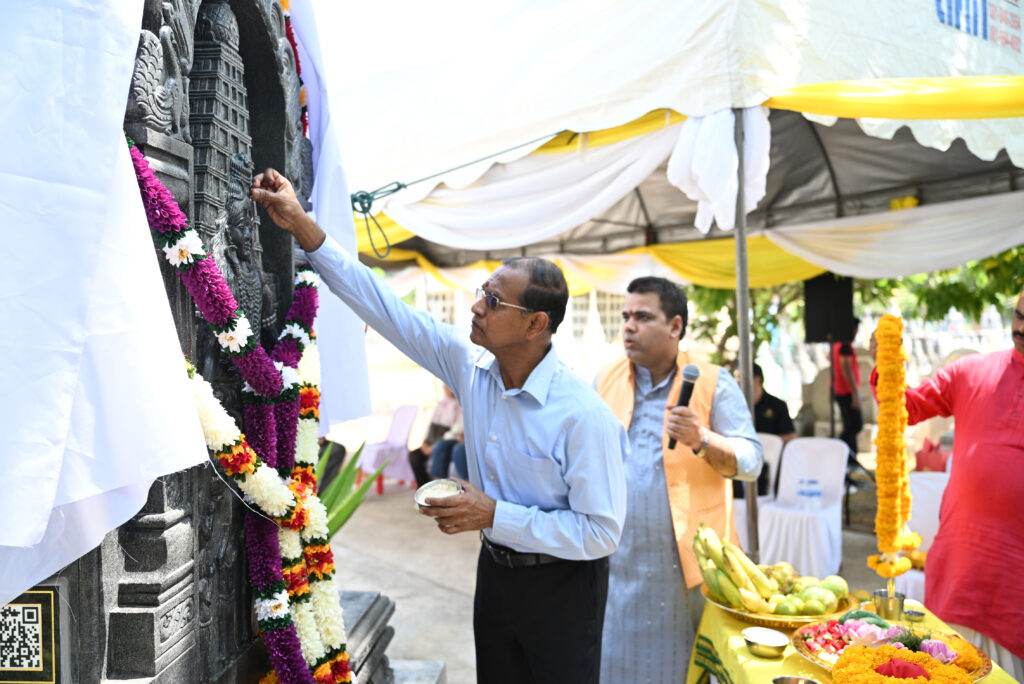
At this ceremony a new video/song was debuted to honor the suffering and memory of the romusha:
https://www.facebook.com/reel/2747917915589871
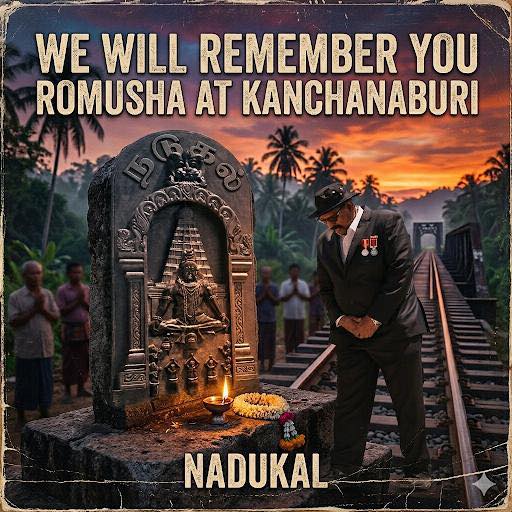
Authored by Amigo Ganesa Sockalingam and sung in both Tamil and English it strives to describe and commemorate the plight of the Asian Forced Laborers (romusha). The vast majority if these were Malay-Tamils with Ethnic Chinese and Javanese as well as a few hundred Animese (Vietnamese).
=================
Title: WE WILL REMEMBER YOU… ROMUSHA!
Produced by: Amigo Divine Tunes
Lyrics by: Amigo Sockalingam
Music: Amigo-Studio_217/Suno AI@ampang
WE WILL REMEMBER YOU ROMUSHA! By Amigo Divine Tunes @ampang. April 2, 2026 MIB-Malaysians and Indians in Bangkok
FULL Lyrics:
[Intro]
“நாங்கள் நினைவில் னைத்திருக்கிற ாம்…”
(Naangal ninaivil vaithirukkirom…)
We remember… Romusha…
[Verse 1]
Promises written in dreams,
But broken beneath screams,
From Malaya shores to Siam’s grave,
They came as workers… denied as slaves…
“வீடு திரும்பும் நாள் காத்திருந்றதாம்…”
(We waited for the day to return home…)
[Pre-Chorus]
No food… no light… no mercy shown,
Their names erased, their pain unknown,
“உயிர்ஒை்வைாை்றும் ரயிலில் புனதந்தது…”
(Each life buried beneath the railway…)
[Chorus]
WE WILL REMEMBER YOU, ROMUSHA!
காலம் கடந்தாலும் நினைவில் நீங்காது!
(Time may pass, but you won’t fade!)
WE WILL REMEMBER YOU, ROMUSHA!
இரண் டு இலட்சம் உயிர்களிை் குரல்!
(The voice of two hundred thousand souls!)
Oh beloved… though you’re gone away,
We will pray… we will pray…
“உயிர்சென் றாலும் நினனவு நினைக்கும்…”
(Even if life is gone, memory remains…)
WE WILL REMEMBER YOU!
[Verse 2]
415 kilometers of pain and cries,
Mountains cut under bleeding skies,
Disease and hunger took their breath,
Each sleeper laid… another death…
(Tamil – emotional)
“அம்மா அனைத்தாள்… ஆைால் ைரவில்னல…”
(Mother called… but they never returned…)
Produced by Amigo Divine Tunes
Song
Dedicated to the thousands of souls perishes
in Burma-Siam 415 km Death Railway
during 1940-1943 World WAR-II
[Pre-Chorus 2]
Beaten, broken, left to fall,
No one heard their final call…
(Tamil)
“மண் ணில் விழுந்றதாம்… வெயர்கூட இல்லாமல்…”
(We fell to the earth… without even a name…)
[Chorus]
WE WILL REMEMBER YOU, ROMUSHA!
உங்கள் தியாகம் எங்கள் உயிரில்!
(Your sacrifice lives within us!)
WE WILL REMEMBER YOU, ROMUSHA!
உலகம் றகட்கும் ைனர நாங்கள் ொடுறைாம்!
(We will sing until the world hears!)
Through tears and time, your souls will rise,
To the Creator beyond the skies…
WE WILL REMEMBER YOU!
[Bridge]
From Kanchanaburi, Nadukal stands,
“இந்த உறுதி எைறுமஉனடயாது…”
(This promise will never break…)
Even when we leave this
Our prayers will carry your worth…
[Final Chorus]
WE WILL REMEMBER YOU, ROMUSHA!
நட்சத்திரம் றொல நீங்கா நினைவு!
(Like stars, your memory never fades!)
WE WILL REMEMBER YOU, ROMUSHA!
உயிர்வகாடுத்த வீரர்கறள!
(O warriors who gave your lives!)
Till we meet beyond the pain,
Where no soul will die again…
WE WILL REMEMBER YOU… FOREVER!
[Outro]
“நாங்கள் ம க்க மாட்றடாம்…”
(We will never forget…)
Romusha…
=====================
We will never know their names.
We will never know how many nor exactly where they came from.
We can, however, try to tell their story so that they will never be forgotten.
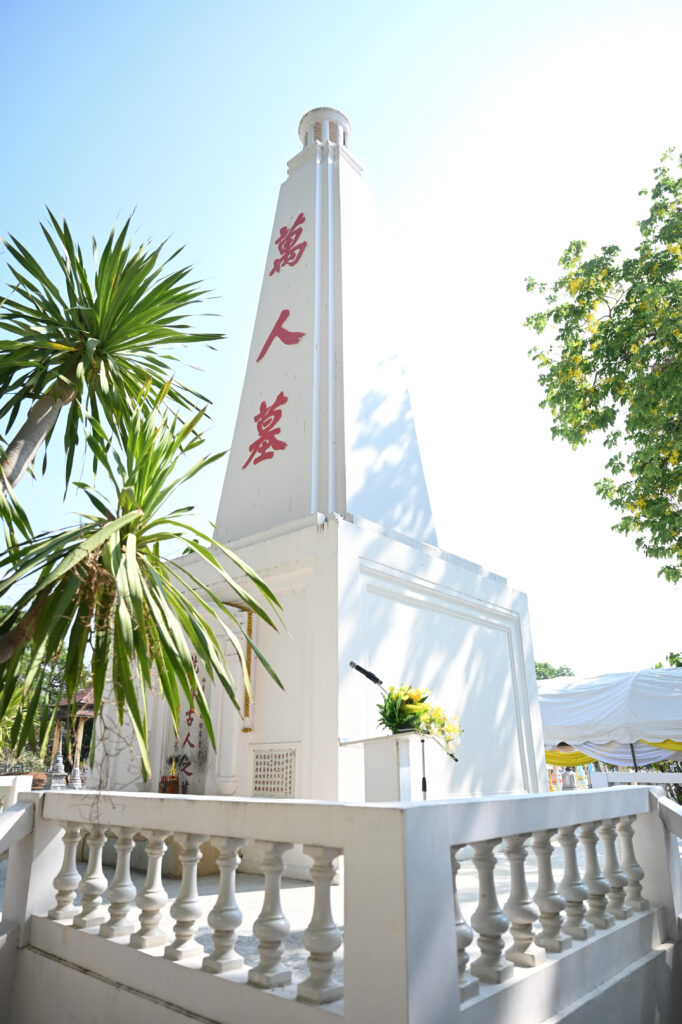
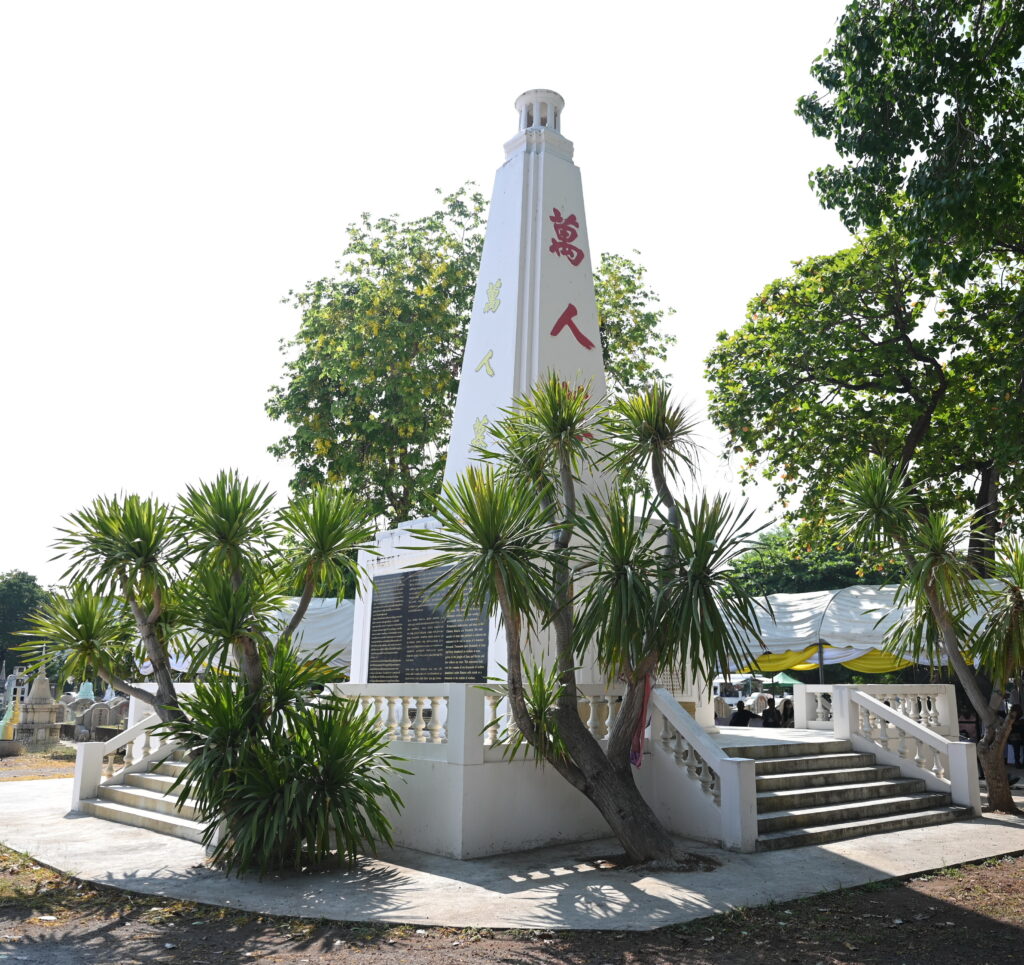
Beneath this obelisk lies a vault holding the remains of over 10,000 Asian forced laborers, known as romusha. These men were brought here during World War II, many dying in camps and hospitals on
the Thai-Burma Railway. After post-war development uncovered their graves, the temple community
reburied them, marking the site with the “Grave of 10,000 Souls” in 1957. Known as Chedi Niranam —
the grave of the anonymous — this monument stands as a solemn reminder of untold suffering and
sacrificeDuring WWII, tens of thousands of Asian forced laborer were brought to Kanchanaburi to
build the 415 km Thai-Burma Railway. The largest group were Tamil-Indians from Malaya, alongside
Allied POWs. While about 61,000 POWs worked on the railway, between 250,000-500,000 romusha
were forced into labor, suffering a death rate nearly double that of the POWs. After the railway’s
completion in 1943, survivors were consolidated into camps near Kanchanaburi, where many later
perished. The cremains buried beneath the obelisk belong to these anonymous romusha workers.
Most of the romusha were Tamils, joined by smaller groups of Javanese, Singaporean Chinese, and Vietnamese. Unlike Allied POWs, they had no cemeteries-many were cremated in mass fires, often without records, due to Japanese fears of cholera. Deaths continued daily in camps and hospitals, with bodies buried in shared graves. Even after WWII ended, the romusha were abandoned, forced to survive or trek home on their own, often for months. Decades later, descendants and community leaders sought to honor them, adding a plaque in Malaysia and renovating the shrine in 2025 to preserve their story.
Malaysians and Indians in Bangkok (MIB) was born during the COVID-19 pandemic in late 2021 as Hands That Serve, a small group distributing meals to the poor on Silom Road. With support from Tamil Sangam volunteers, it grew into a community effort serving up to 100 meals every week. As life returned to normal post-COVID, MIB shifted focus to new projects. For me, as the son of a first-generation Indian immigrant taken to Thailand during WWII to work on the Thai-Burma Railway, the memory of the romusha was deeply personal. – Dr. Silva Kumar – MIB
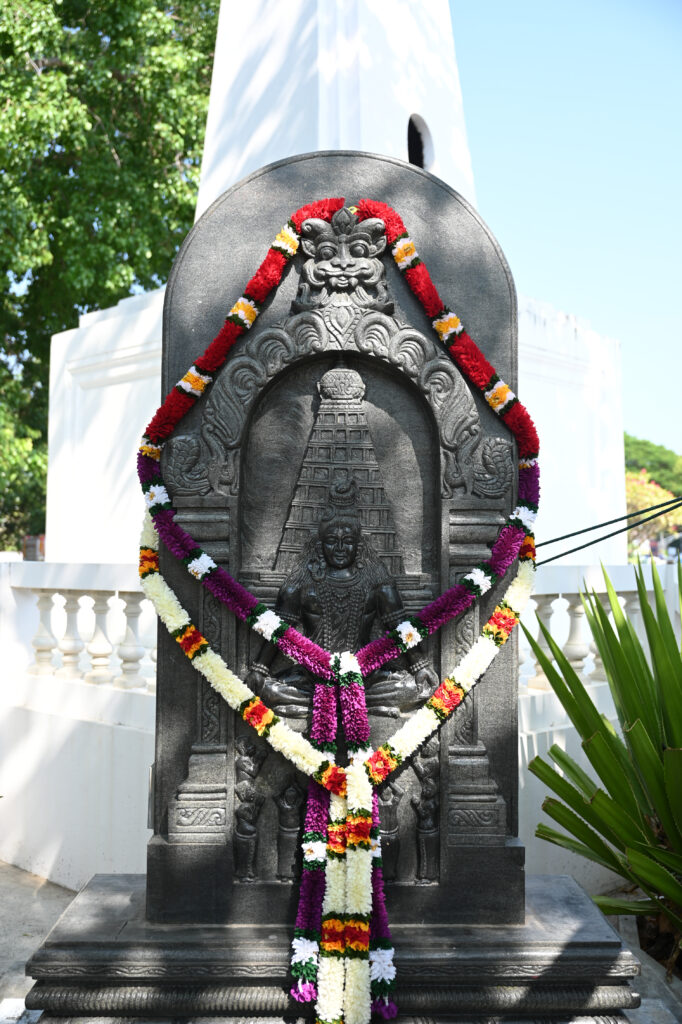
In November 2021, MIB members honored the romusha at Don Rak war cemetery and were introduced to Dr. JJ Karwacki, whose research confirmed that the nearby temple obelisk-Chedi Niranam, the grave of the anonymous-held the remains of romusha who died in Kanchanaburi after the railway’s completion. With the Abbot’s approval, MIB began fundraising in 2024 to renovate and re -dedicate the monument to the Tamils who formed the majority of the romusha. On May 1, 2024, a large ceremony was held to dedicate the new Nadukal memorial stone.
====================
Malaysian News coverage of the event:
English language:
https://www.bernama.com/en/news.php?id=2552076
https://newswav.com/A2604_RD9U3k?s=A_5sGEQAr&language=en
Tamil language broadcast:
====================
Local influencer coverage by Richard Barrow:
The Forgotten Builders of the Thai-Burma Railway
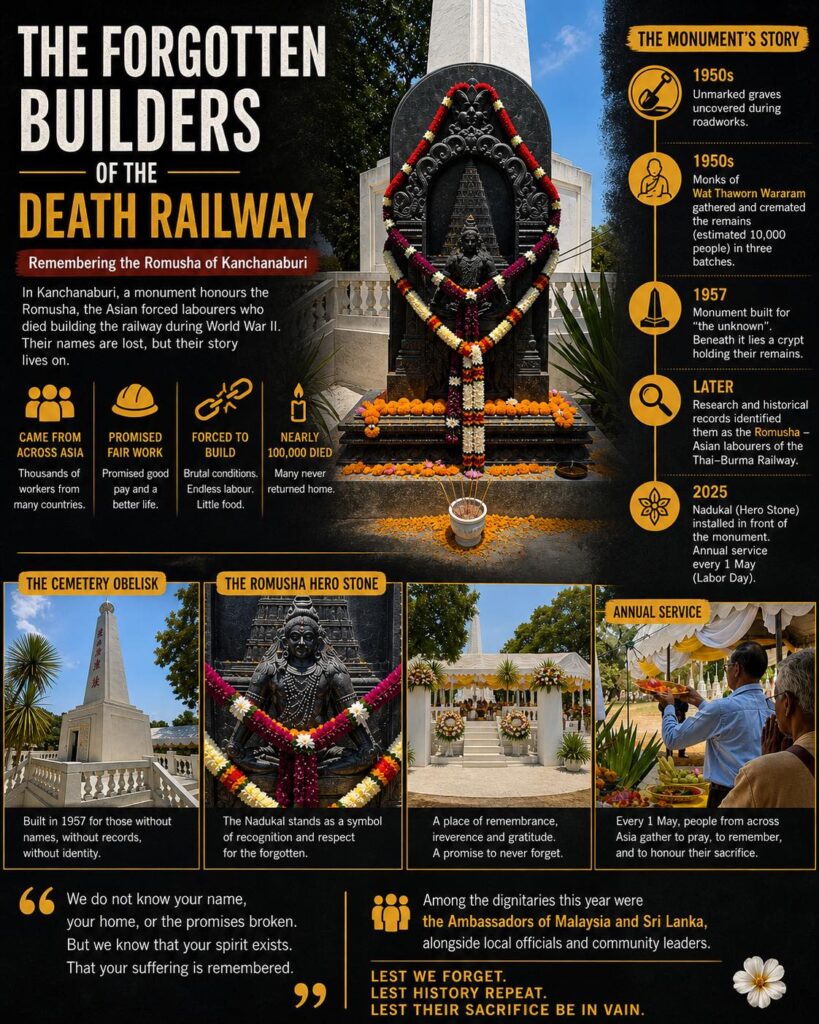
They came with hope. Across Malaya, recruiters promised steady work, good pay, and a chance to build a better life. Many were Tamil laborers. Young men. Fathers. Sons. They signed up believing they were heading for opportunity.
Instead, they were sent into one of the darkest chapters of World War II.
These men became part of the romusha. Asian laborers forced to build the Thai Burma Railway under Japanese control. The conditions were brutal. Long days of backbreaking work. Little food. Almost no medicine. Disease spread fast. Cholera, malaria, dysentery. Men collapsed where they stood.
They were not treated as workers. They were treated as expendable. Many never made it home.
Back in Malaya, families waited. Mothers. Wives. Children. They waited for letters that never came. For footsteps at the door that never arrived. For answers that never followed. For decades, many did not even know where their loved ones had died.
Their story was buried, both in memory and in the ground.
In the early 1950s, that began to change. In Kanchanaburi, road and building construction uncovered graves. Not marked. Not recorded. Sometimes five or six bodies in a single pit. No names. No identity. Just remains left behind by war.
Most of the land belonged to Wat Thaworn Wararam. The monks took responsibility. They gathered the bones. They cremated them in three large batches. In the end, they held what was believed to be the remains of around 10,000 people.
In 1957, a monument was built. It was not built for heroes. It was built for the unknown.
At the time, no one could say who these people were. No names. No records. Just silence. Beneath the monument, a crypt was created to hold their remains. A final resting place for lives that history had erased.
Only later did the truth begin to emerge.
Historians traced the past. Records were studied. The pieces came together. These were not unknown after all. They were the romusha. The Asian laborers who had built the railway and died in this place.
Their names are still lost. But their identity is no longer a mystery.
Today, that changes everything.
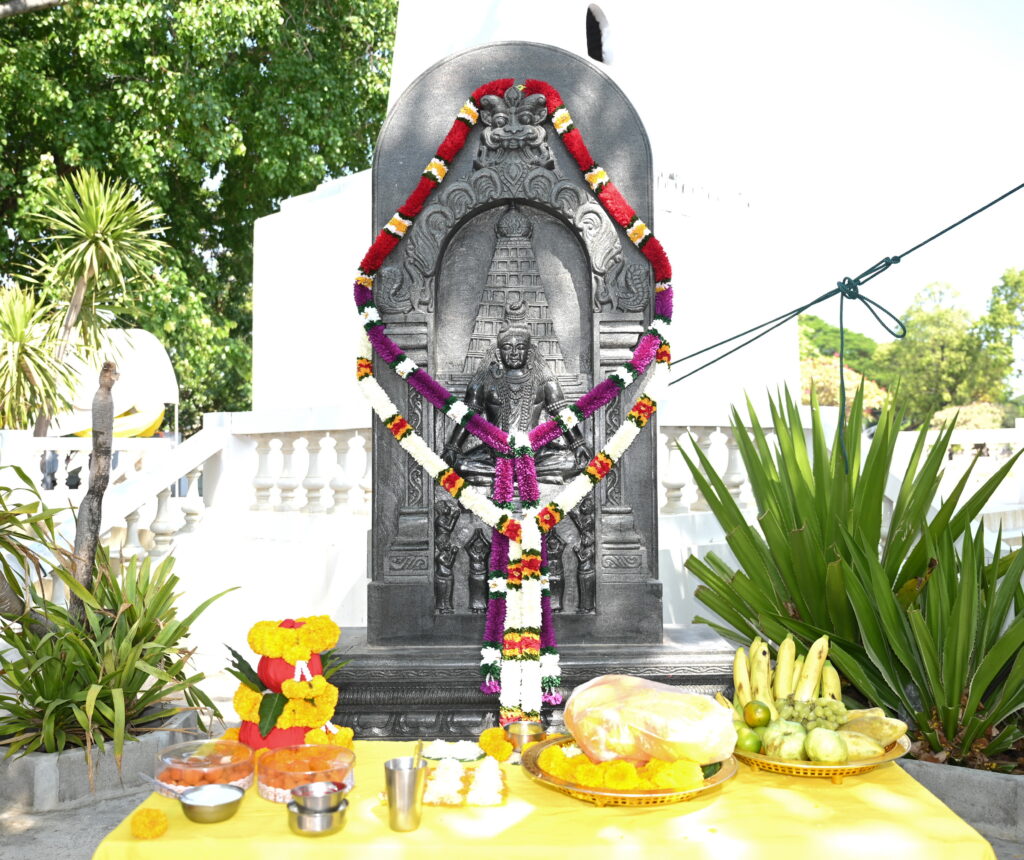
In front of the monument now stands a Nadukal, a Hero Stone. A symbol drawn from South Asian tradition. A marker of sacrifice. A way to give dignity back to those who were denied it in life.
Every year on 1 May, Labor Day, people gather here. They come from across Asia. They pray. They lay wreaths. They speak the story out loud. Not just for remembrance, but for recognition.
For decades, these men were invisible.
Now, they are finally seen.
At the ceremony, a poem was read. It captured what history could not record.
“We do not know your name
We do not know your home
Nor the promises broken
Nor the tears that were cried, for you were once a mother’s son
She must have waited patiently for some word from you and for your safe return that never came
We do not know your fears that have for so long been unspoken
But we know that your spirit exists
That your suffering is remembered
By each soul that is inspired by our actions today”
Their story is no longer buried.
It is being told. It is being shared. And it will not be forgotten again.
Please help share this post so their story goes further.
=======================
The MIB wishes to thank all who attended and especially those who supported us with a donation. It is our hope to make this an annual ceremony / pilgrimage.