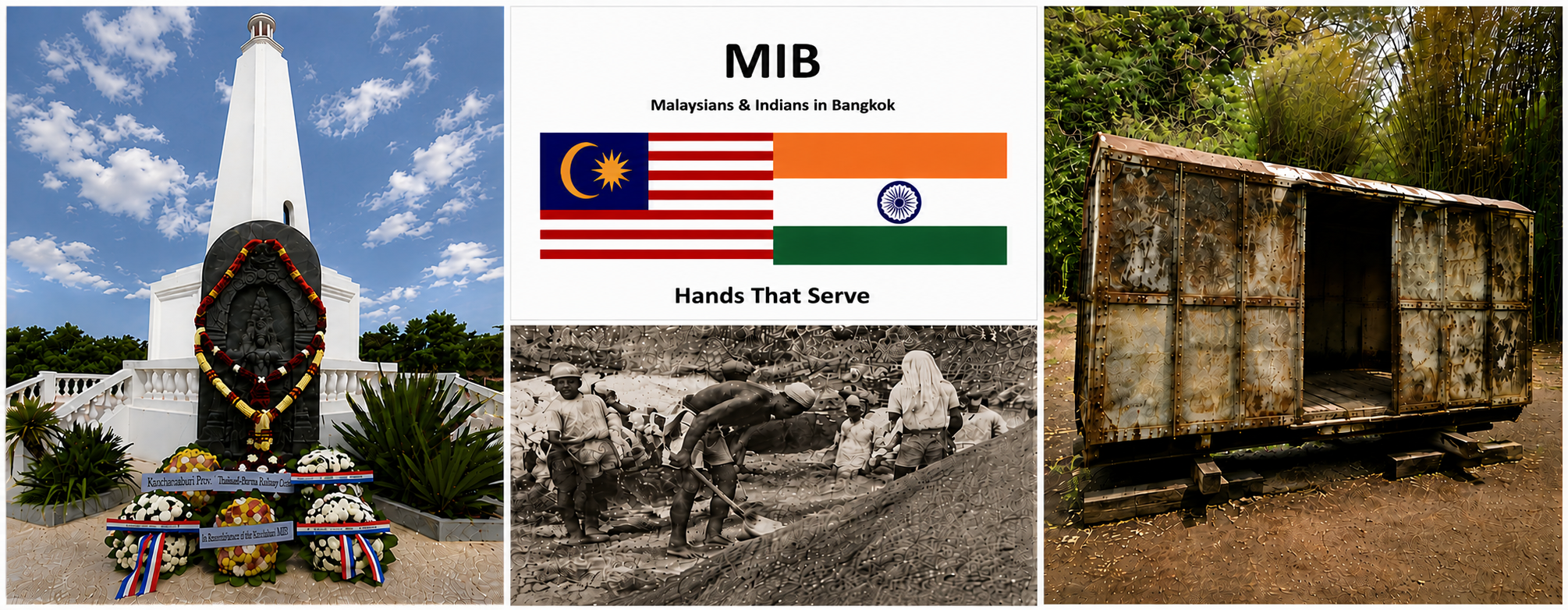
In addition to the thousands of bodies interred at Chedi Niranam, for the past 30+ years other remains associated with the TBR have been on display at the JEATH museum near the famous bridge.
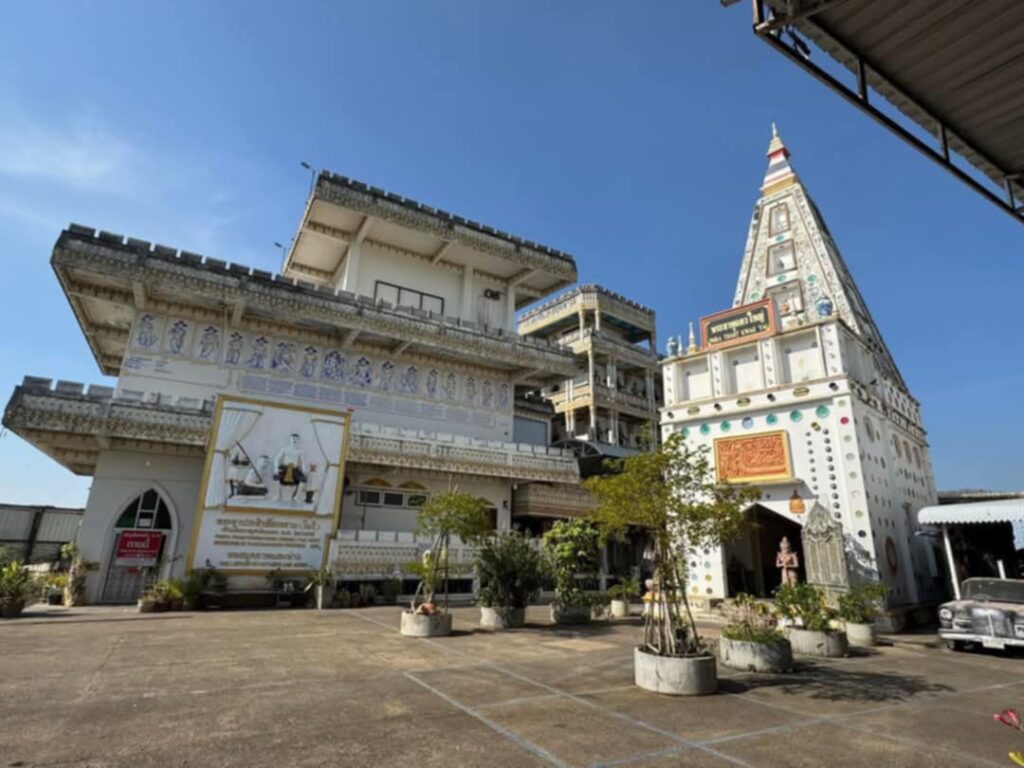
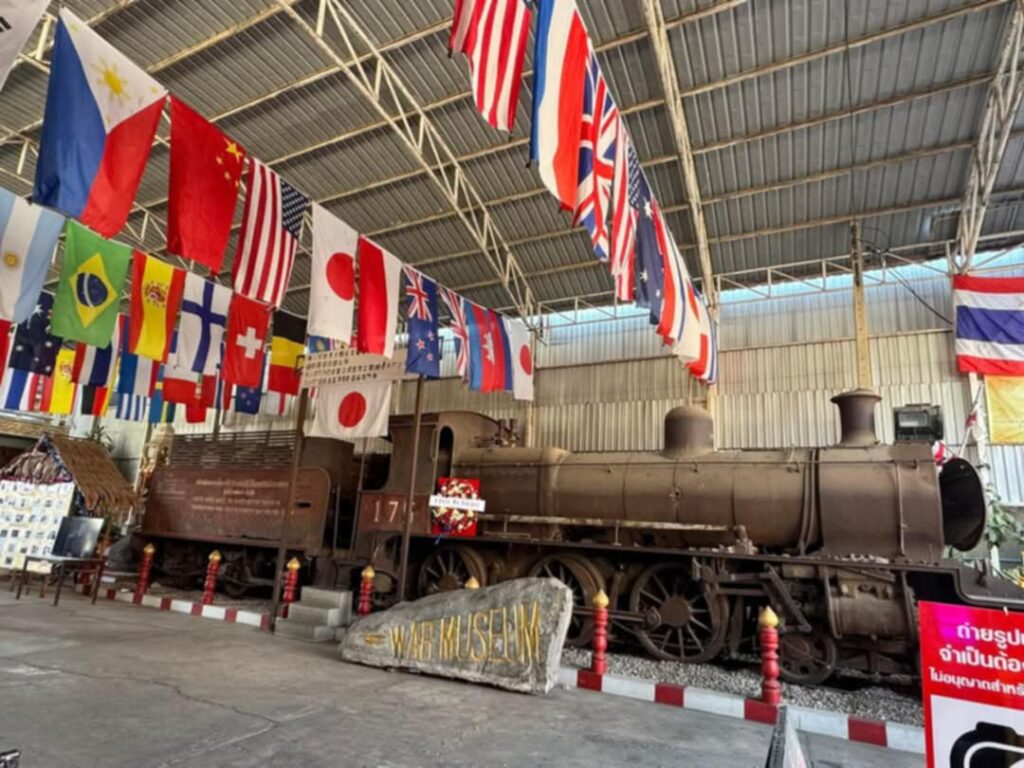
The MIB was notified in early JAN 2025 that this museum was scheduled for closure. The current owner offered MIB the opportunity to take possession of these remains on the condition that they be cremated and that honorifics were assigned to her father, Khun Aran Chansiri .
Over the next few days, MIB Chairman activated his supporters who pulled together a plan for their transfer, cremation and reburial. The first two of these events took place 18-19 JAN 2025, to include a standard Buddhist funeral service followed by the honoring and blessing of the cremains and their commitment to the waters of the Mae Klong River in accordance to Hindu cultural traditions.
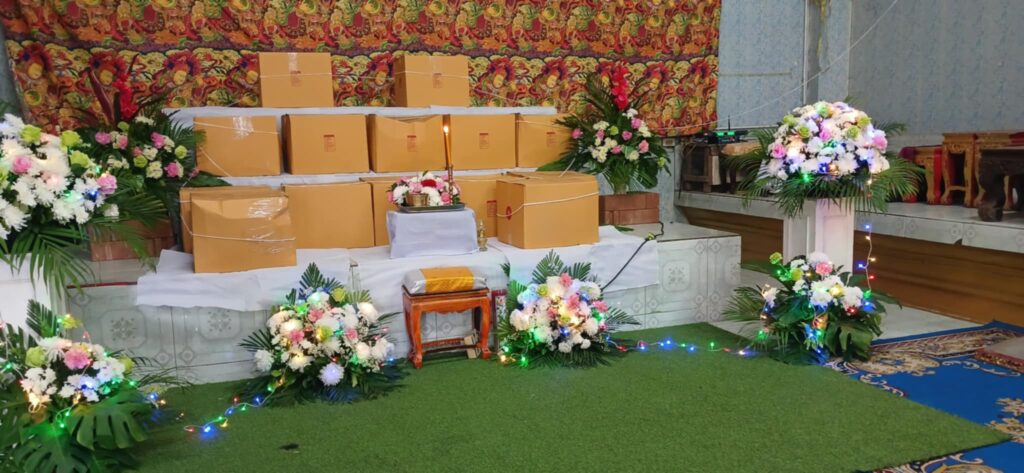
=====================
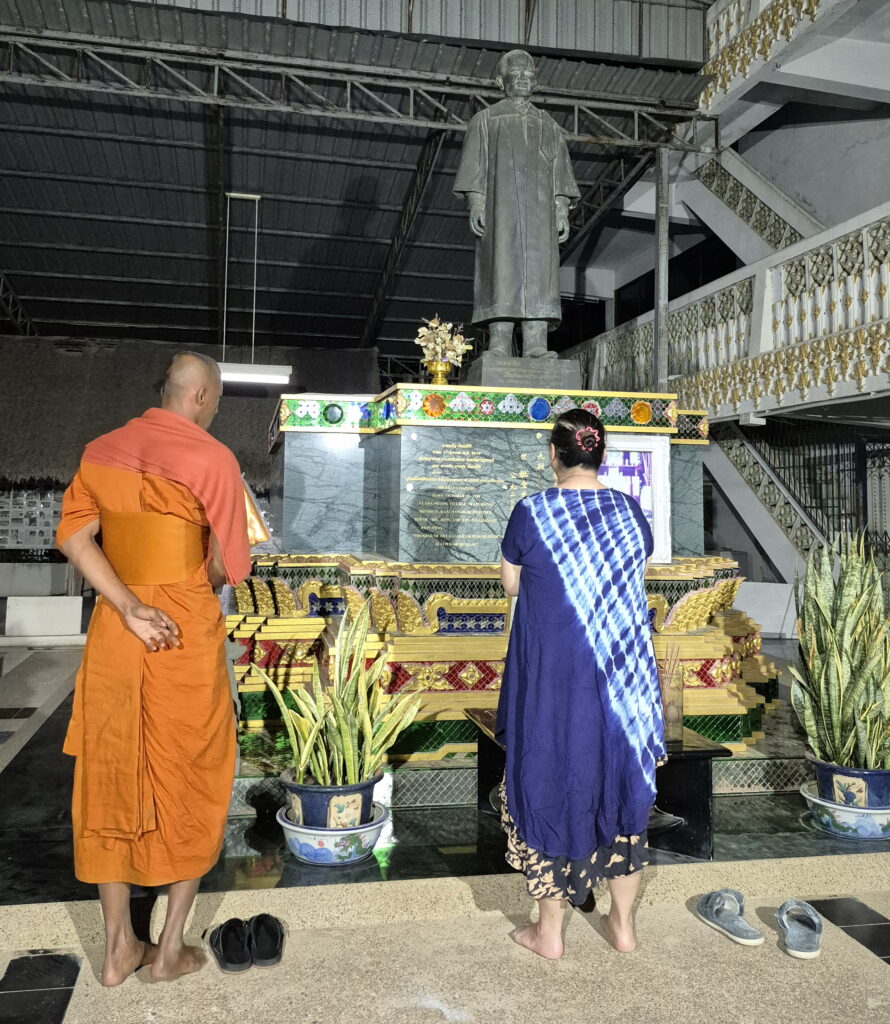
In the early morning hours of 18 JAN , current museum owner Khun Aranya Chansiri paid honor and respect to her father, Aran Chansiri at his tomb which sits on the grounds of the JEATH museum where had displayed the bones about to be handed over to the MIB.
=================
Part 2:
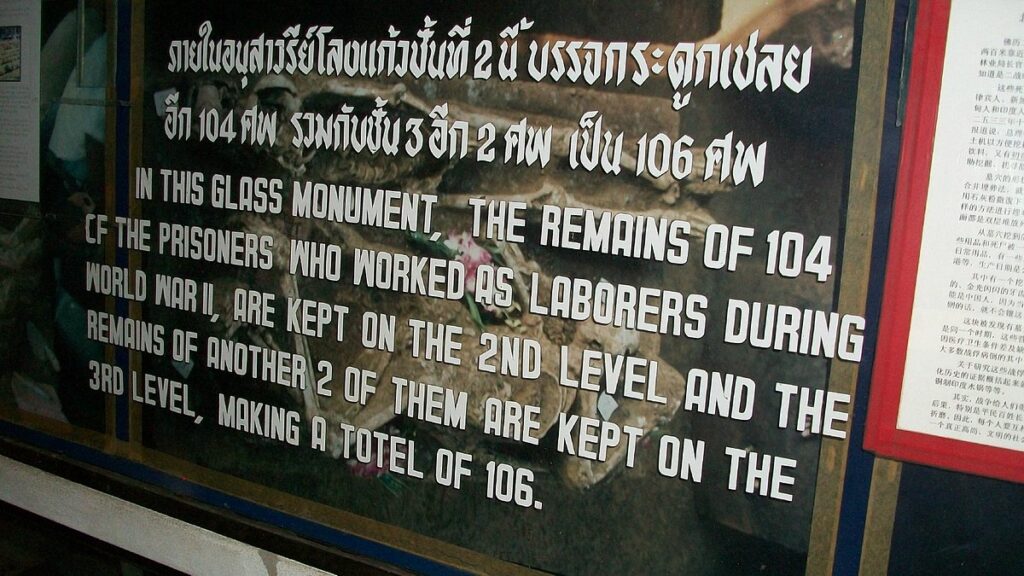
In the interest of historical accuracy[1] we have to ask the question as to the origin of the number 106 as the museum display claimed for over 30 years.
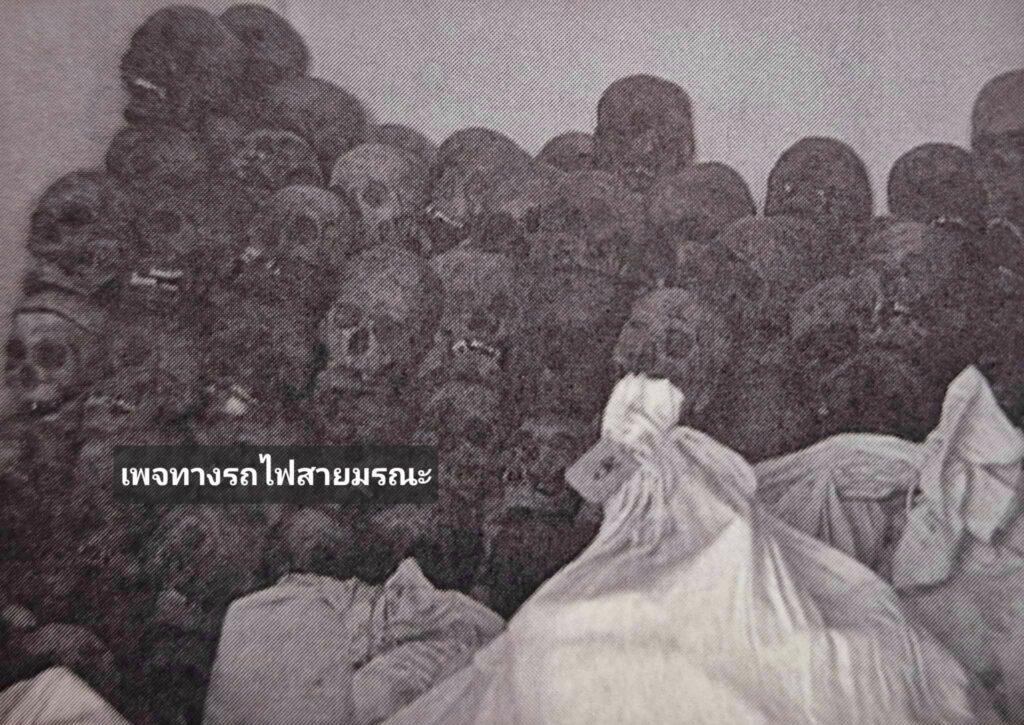
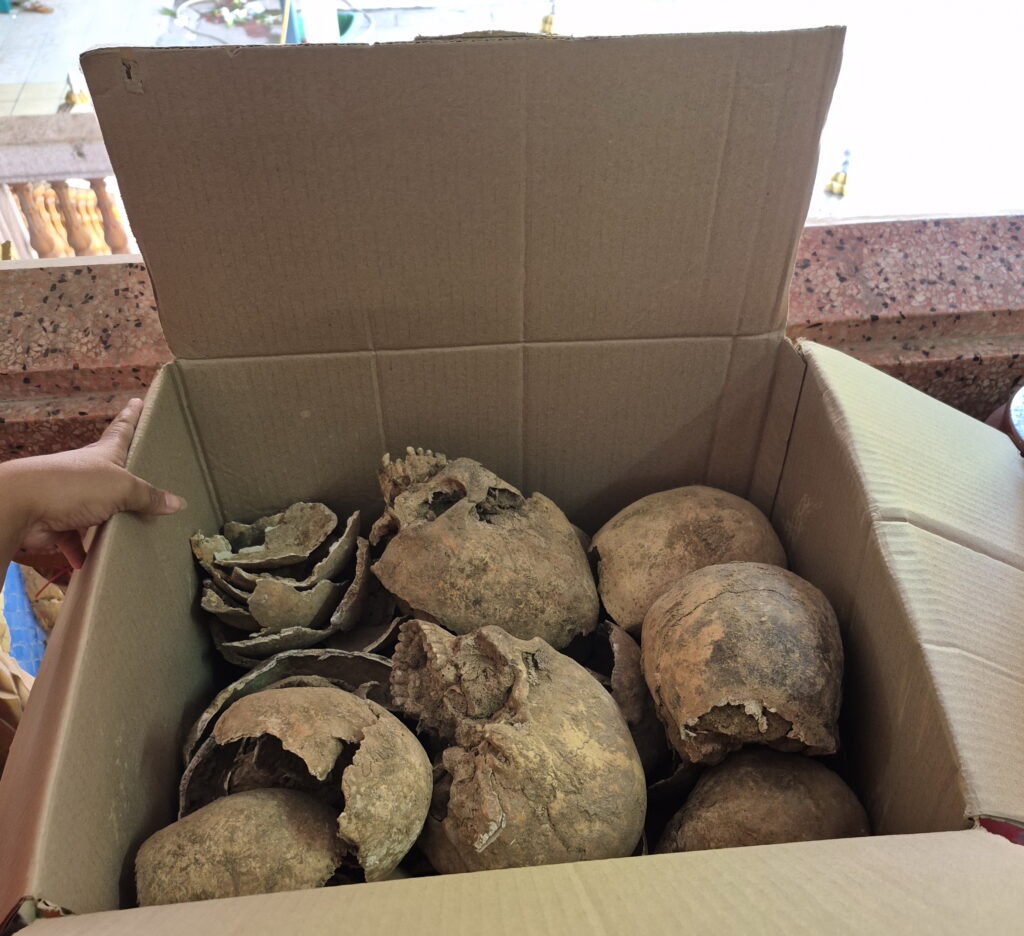
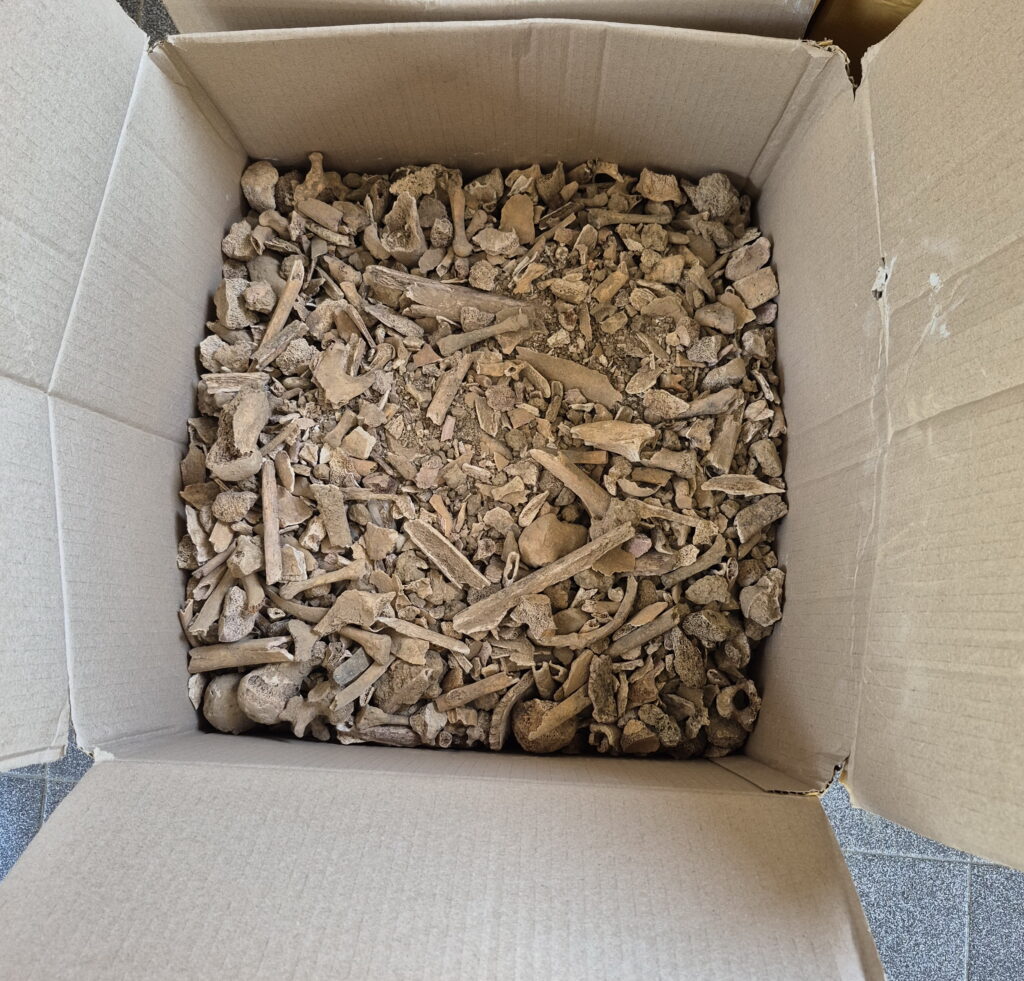
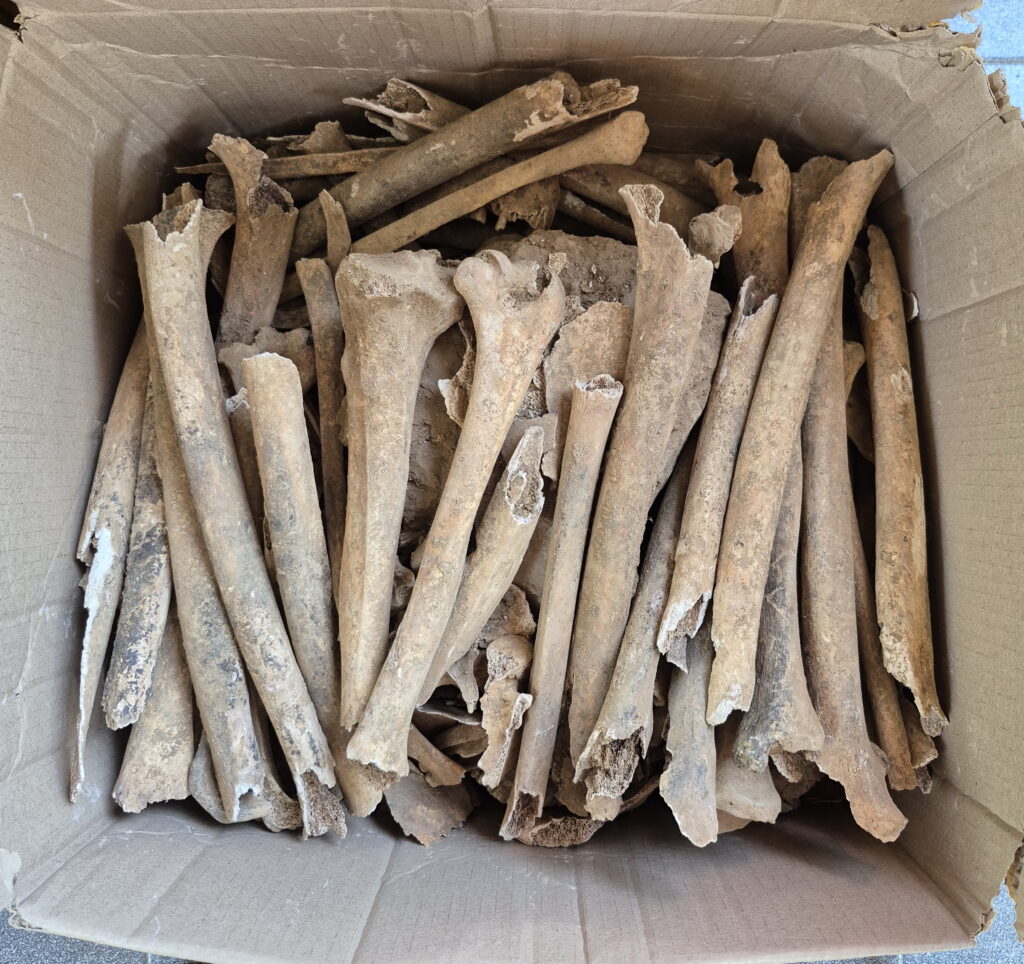
When the bones were sorted, there appeared to be no more than fifteen skulls[2]. The large number of long bones and relative lack of small bones brings into questions as to how these bones were sorted and handed over in 1990. We have a period photo showing that the skulls were seemingly separated at the time of excavation. It does not appear as if entire skeletons were removed from the excavation site directly to the museum. What the museum had on display seems like a much more random collection of long bones most of which seem to have been fractured into shorter lengths, i.e. there did not appear to be any full length femurs among them except those displayed as full skeletons at the top of the museum case.
In short, it seems entirely impossible to set an exact number of skeletons that were contained in that display case. At this time, 106 seems like a rather random statement by the museum owner. Just how that number was arrived at we will likely never know. Perhaps somewhere in the archives of Silapakorn Univ are documents that may shed light on this matter.
[1] There are many of instances in the TBR saga where incorrect numbers have become part of the accepted narrative only to be corrected later when additional information became available.
[2] An exact number is difficult to determine since some of the bones were fragmented.
The German news outlet Deutsche Welle (DW) was present to document some of these activities.
or
https://www.dw.com/en/remembering-tamil-victims-of-the-death-railway-80-years-on/a-71593618