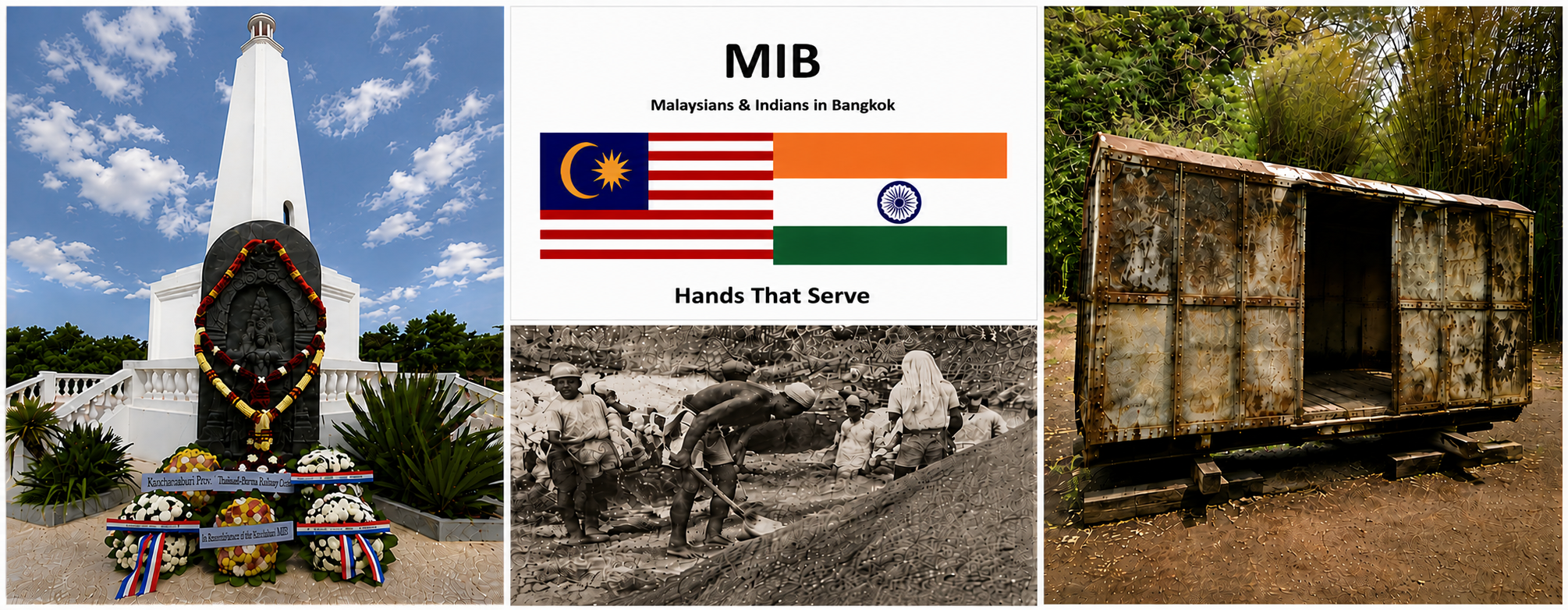
Of the 500 sets of remains[1] that were excavated in 1990, 100+ were handed over to the owner of the JEATH museum[2] and have been on display there for over 30 years. With the imminent closure of that museum, the current owner transferred responsibility for those remains to the Malaysians and Indians in Bangkok charity organization.
The 35 year old glass display case was opened by the current owner Khun Aranya Chansiri and the bones placed in boxes with due reverence. The two sets of remains that had been displayed on the top of that case were boxed separately. In addition, the MIB requested that all skulls be boxed separately as well. In all, 14 boxes were prepared, 11 of them containing the random bones. It was quite evident that most of those were long bones (arm and leg) and most had been broken into short lengths. Very few small bones (vertebra, hand or foot) bones were included.
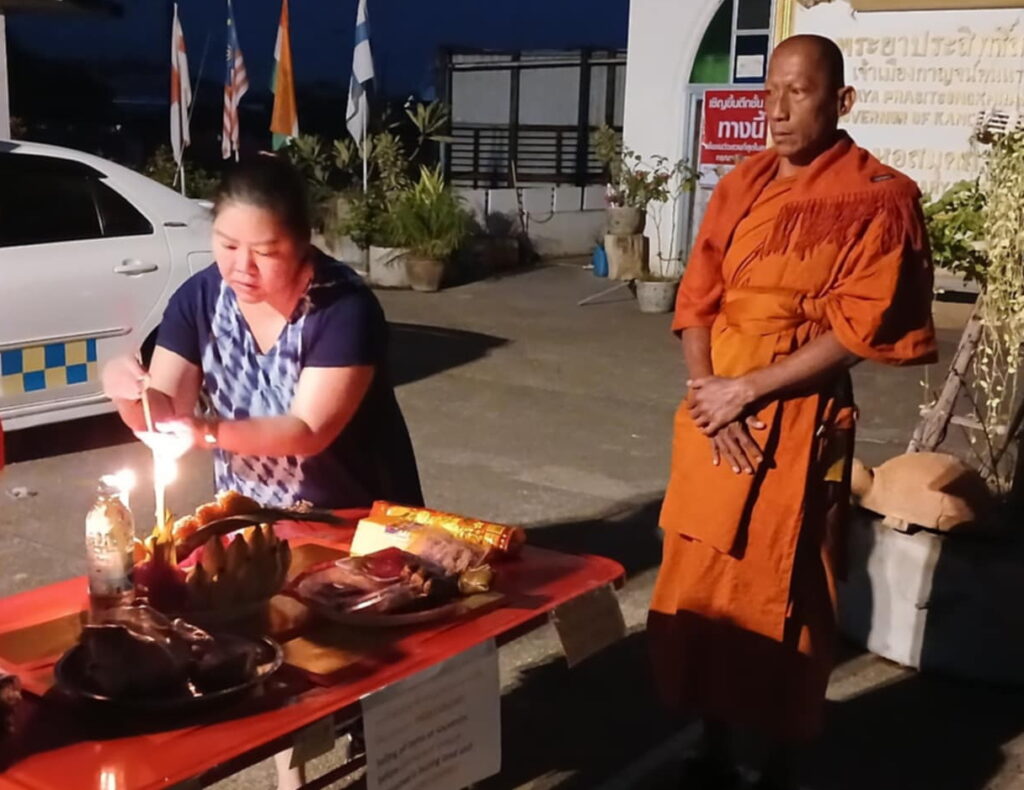
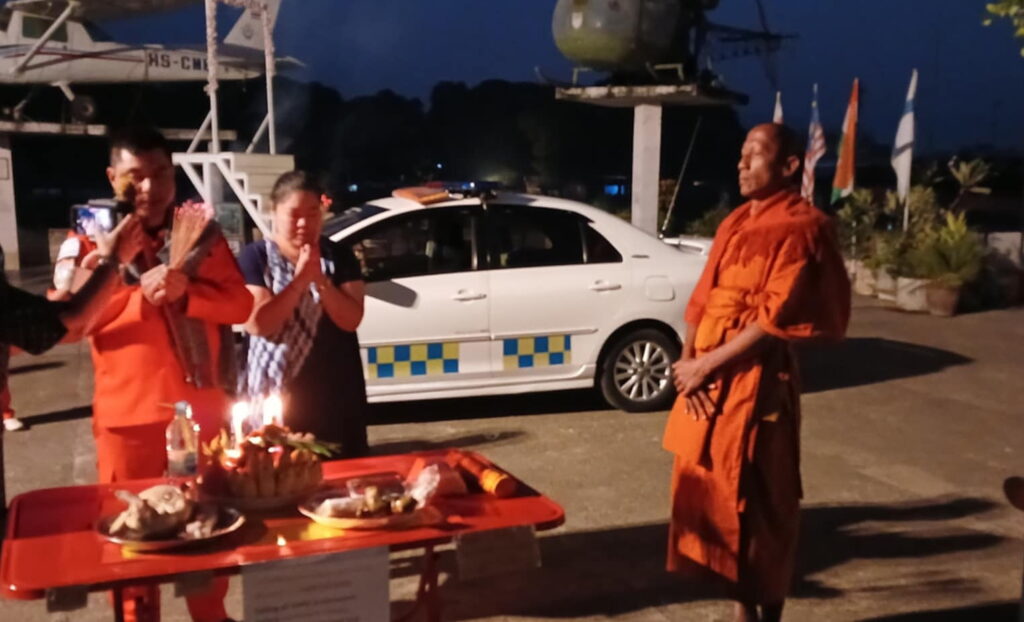
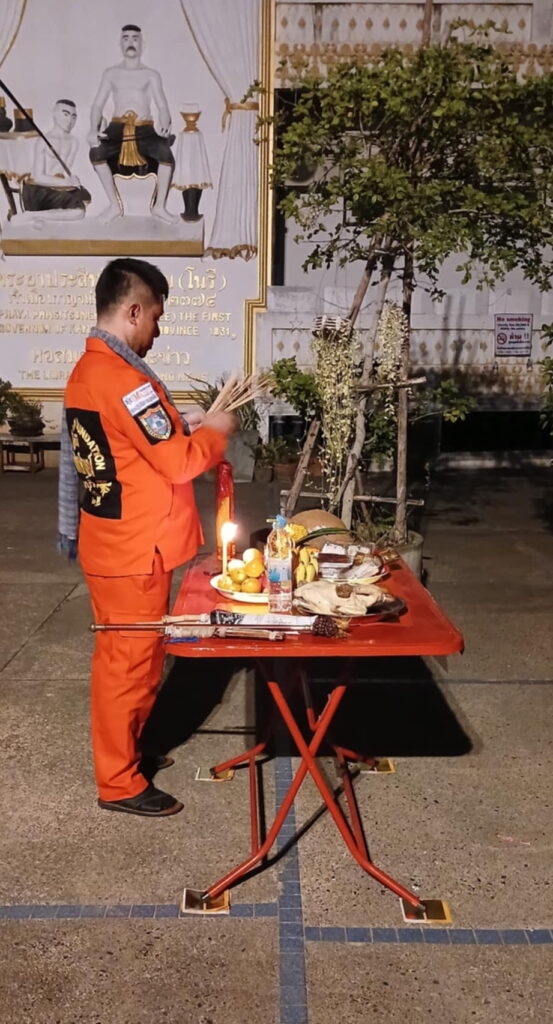
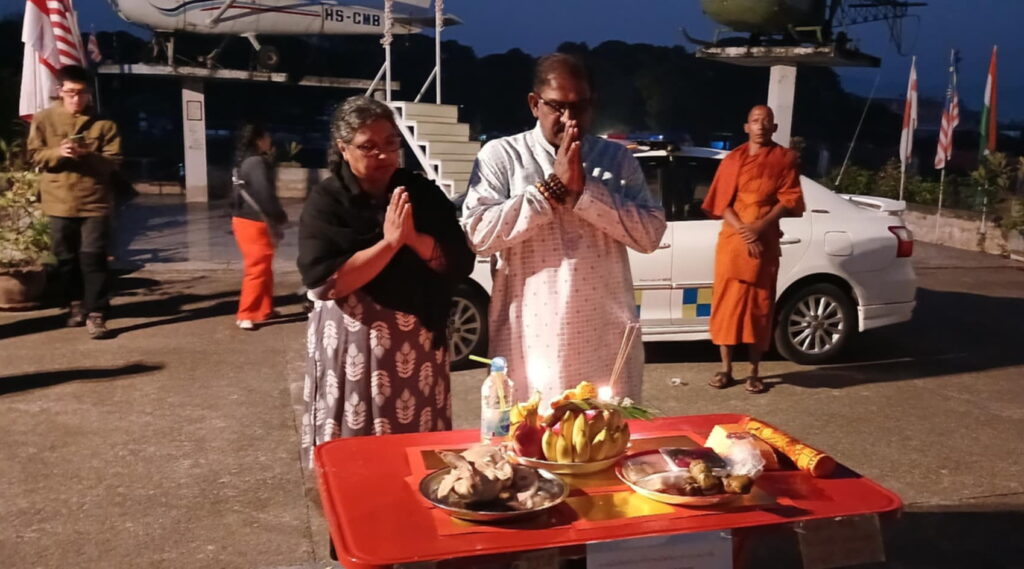
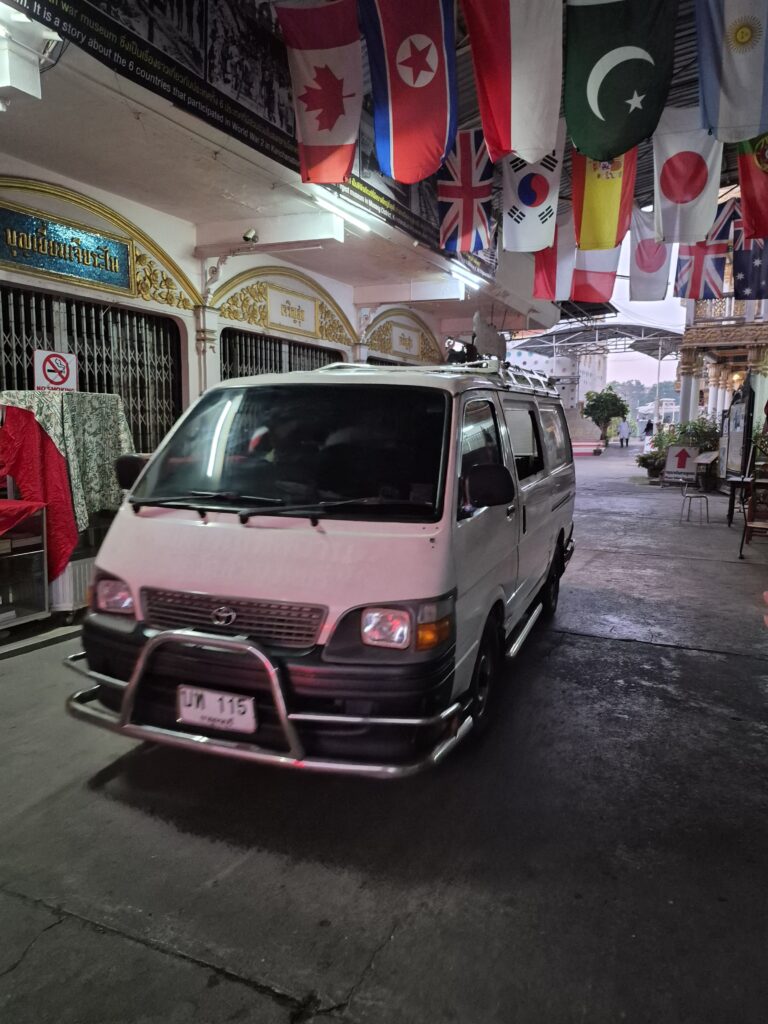
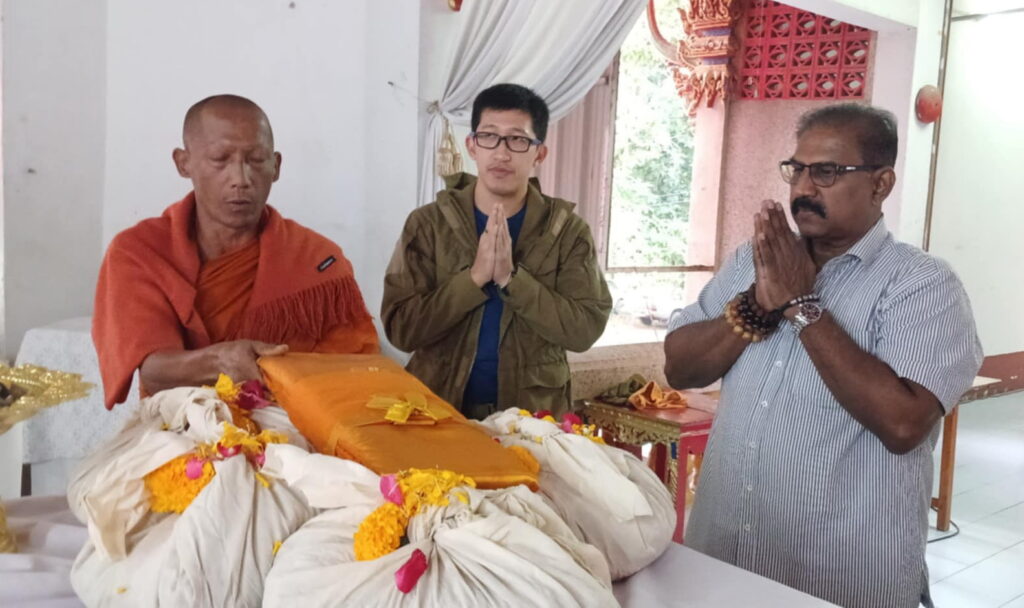
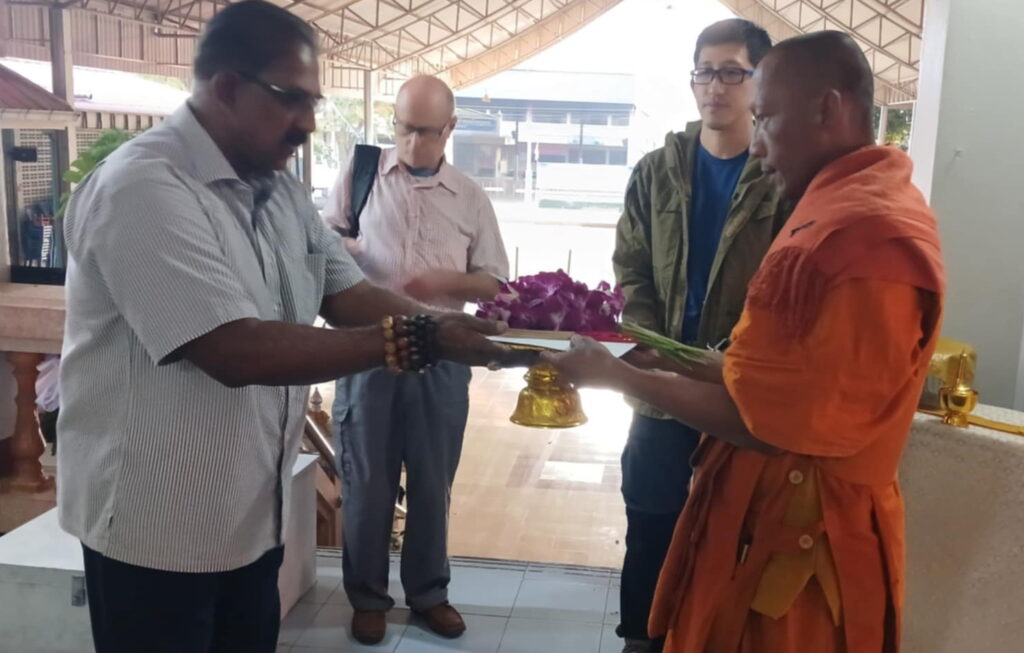
At dawn on 18 Jan 2025, a Buddhist prayer service was held at the museum as the hand off of the bones took place. The boxes were then convoyed to Wat Chai Chumphon Chana Songkhram (aka Wat Tai) in the presence of the supervising monk, Pra Arjarn Jamrus.
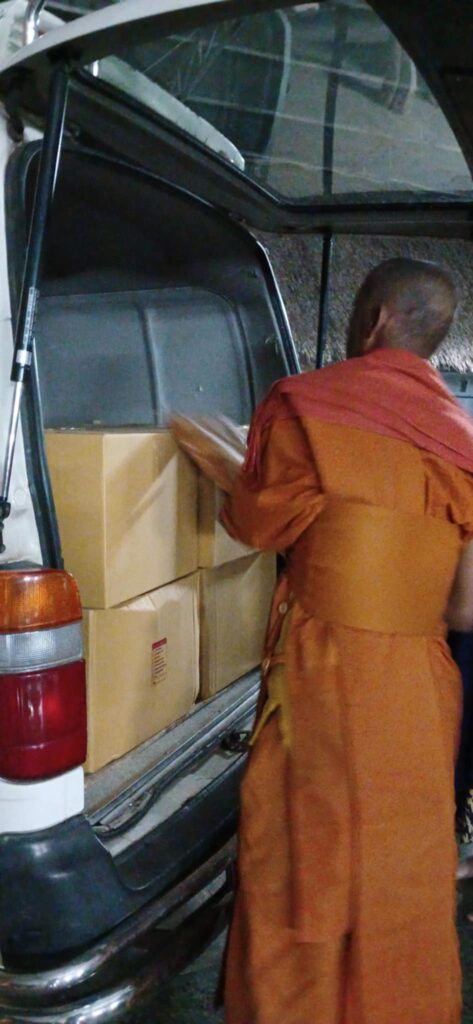
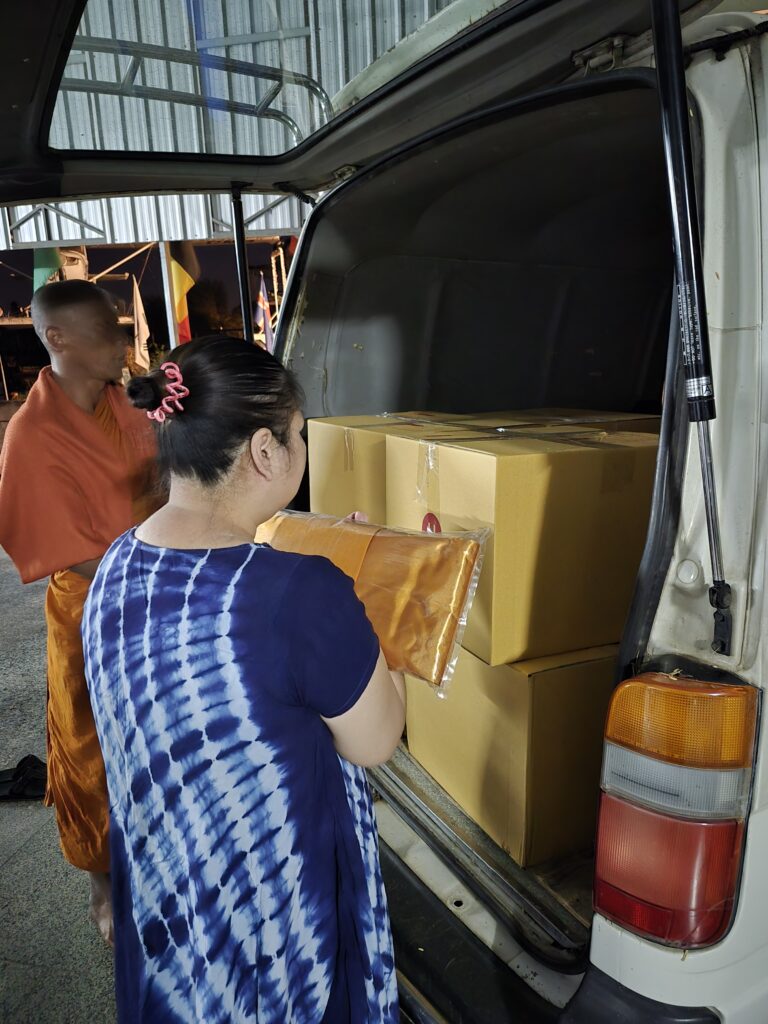
At Wat Tai a Buddhist funeral ceremony was held to include the chanting of prayers and sprinkling of the deceased with holy water.
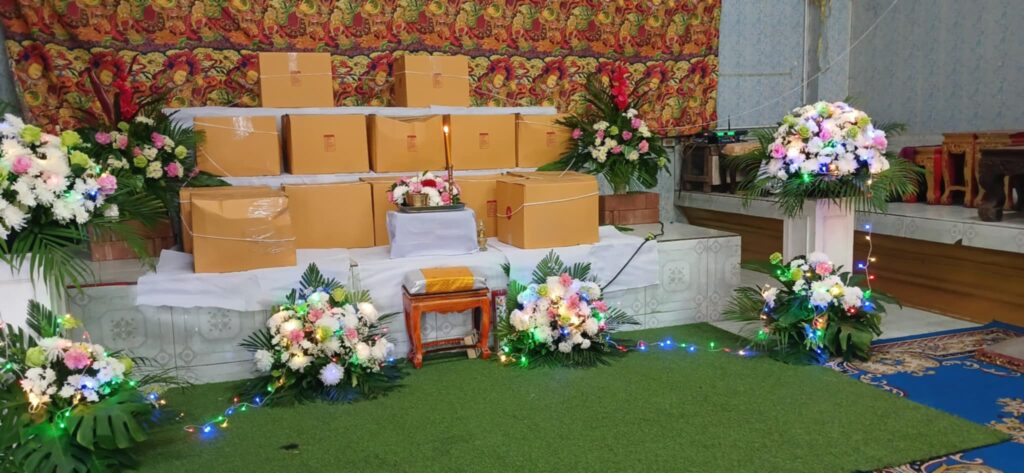
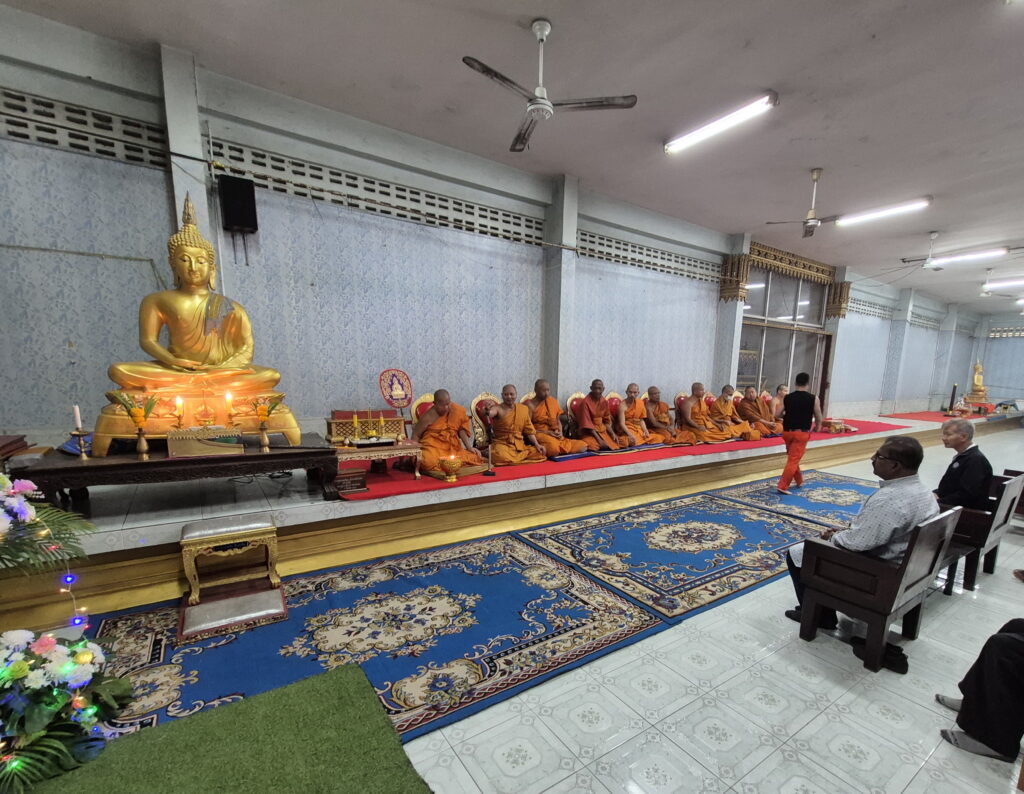
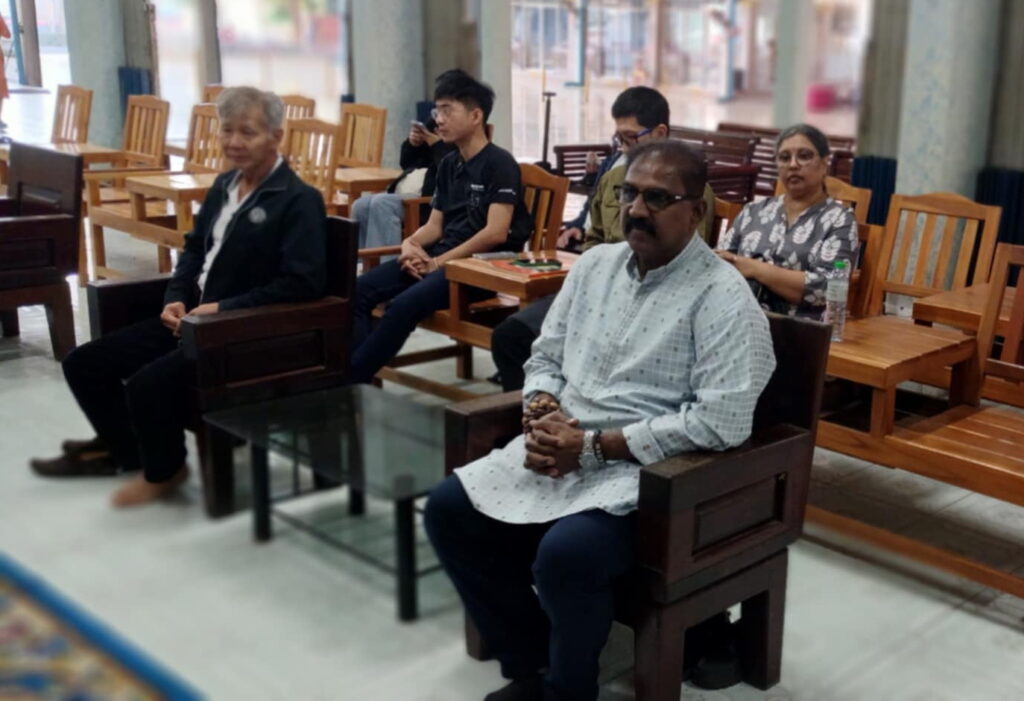
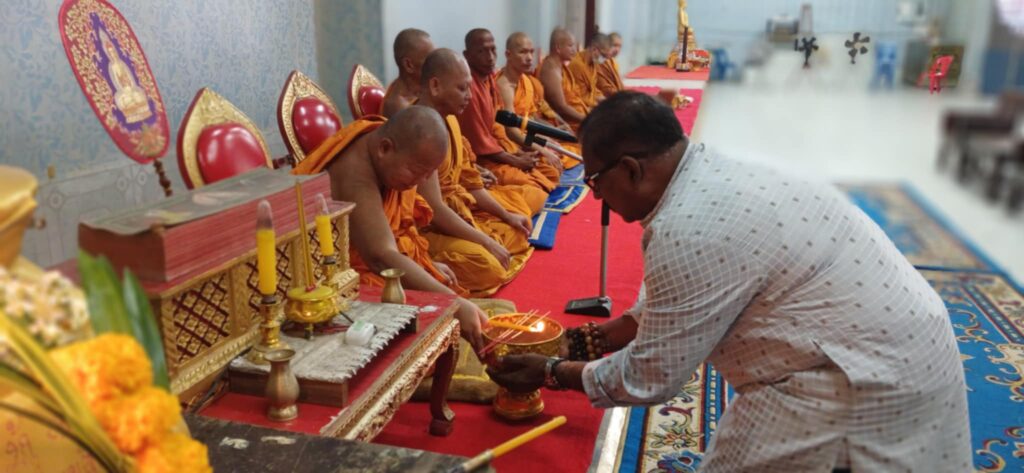
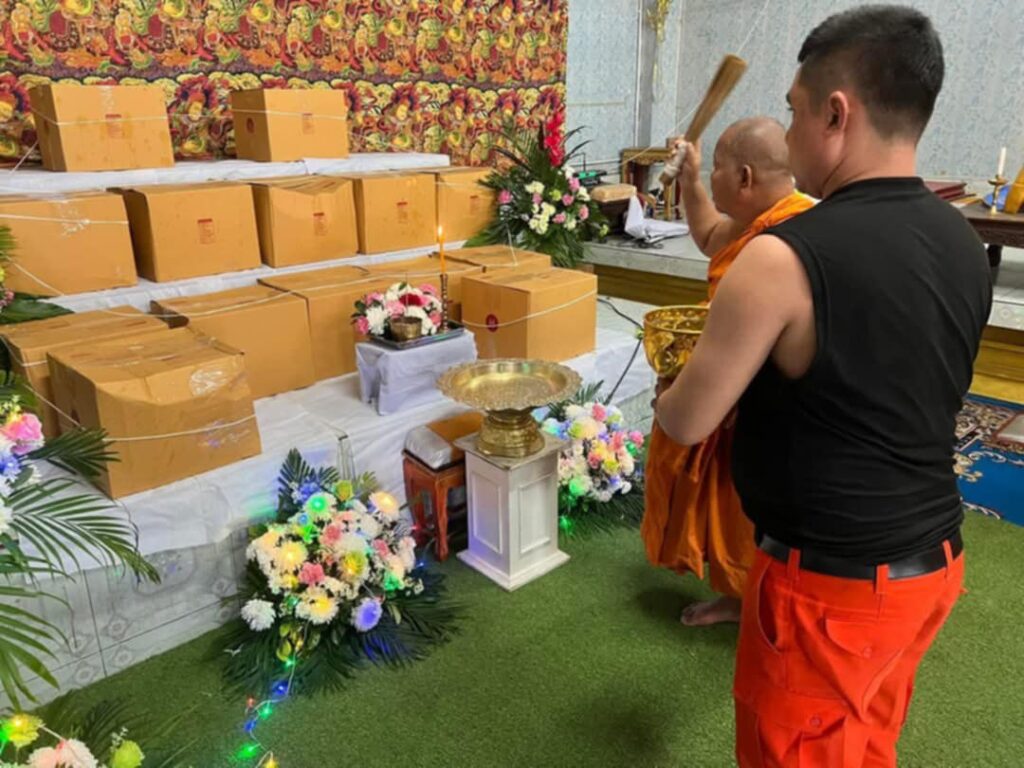
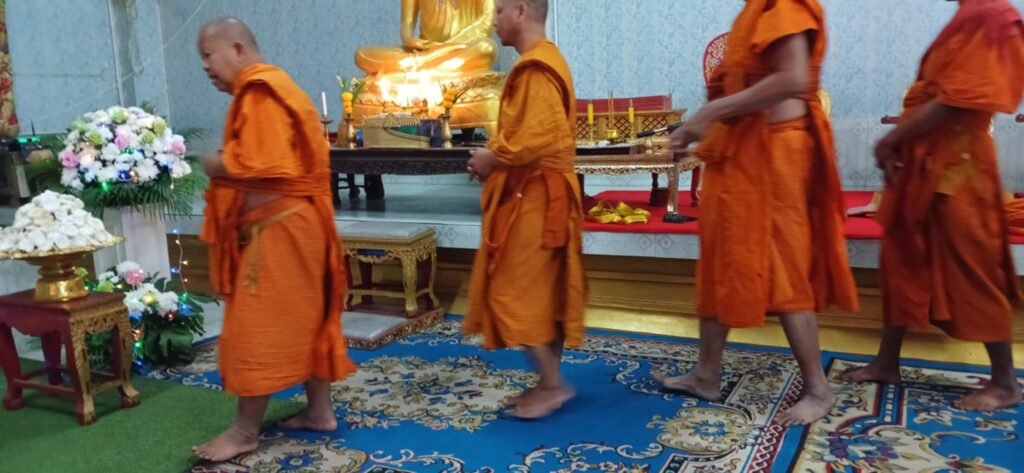
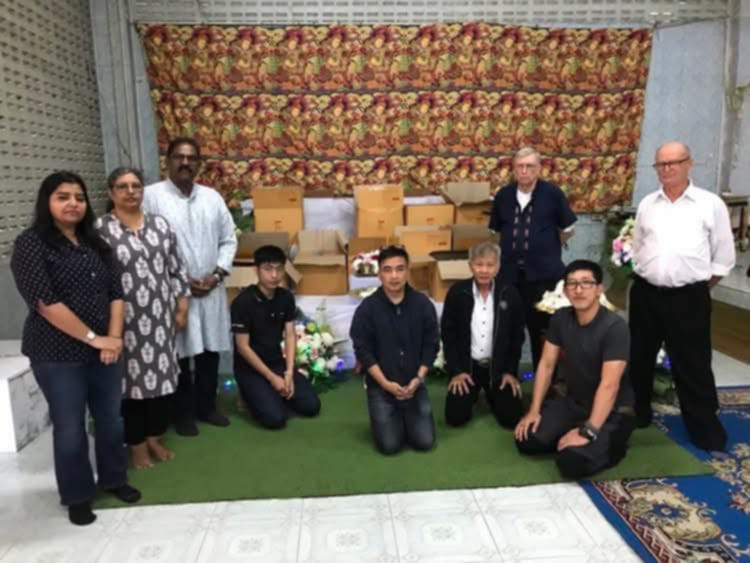
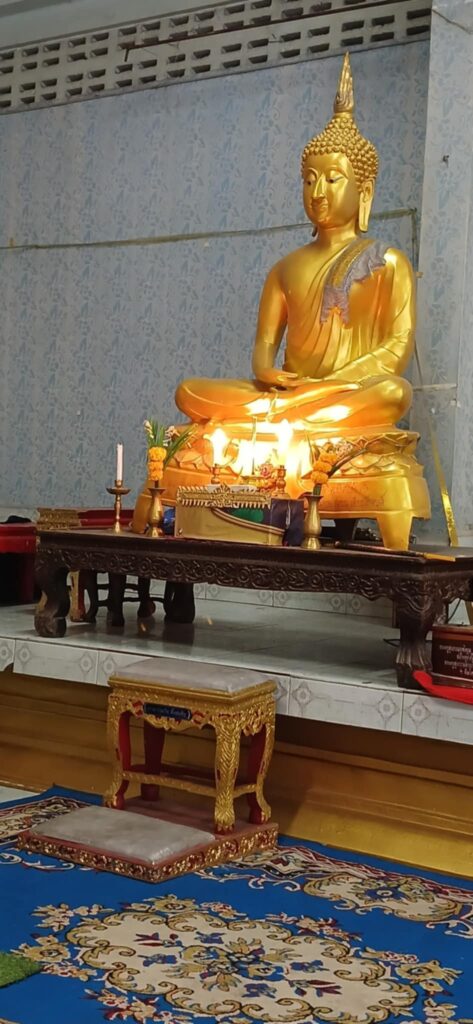
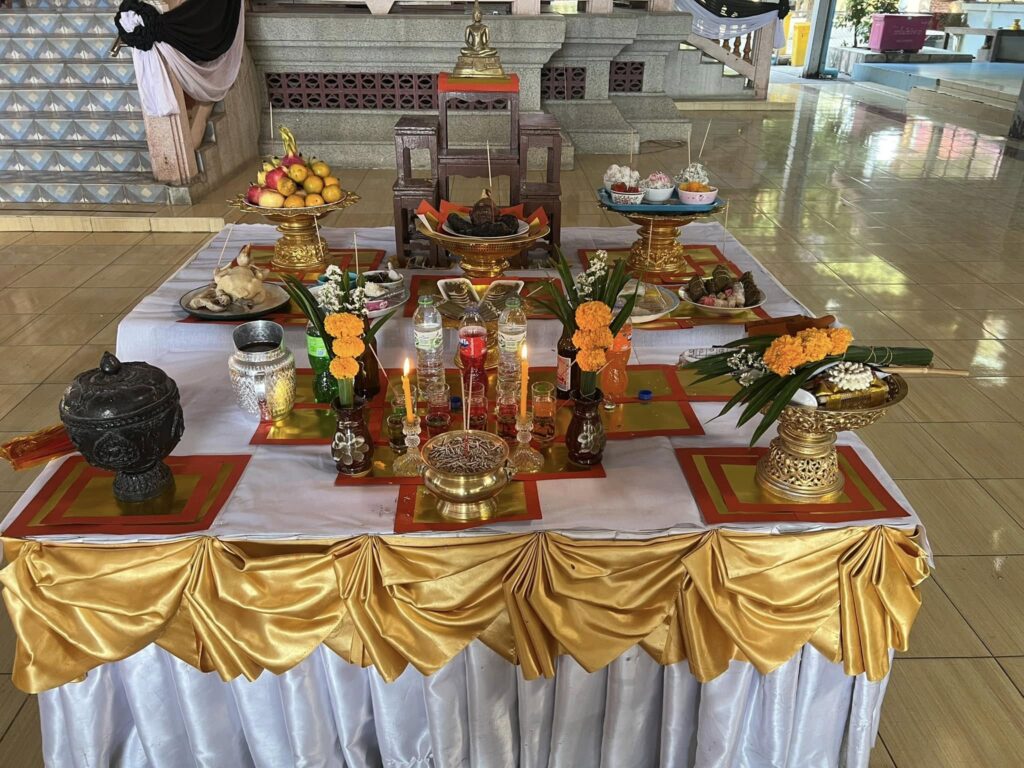
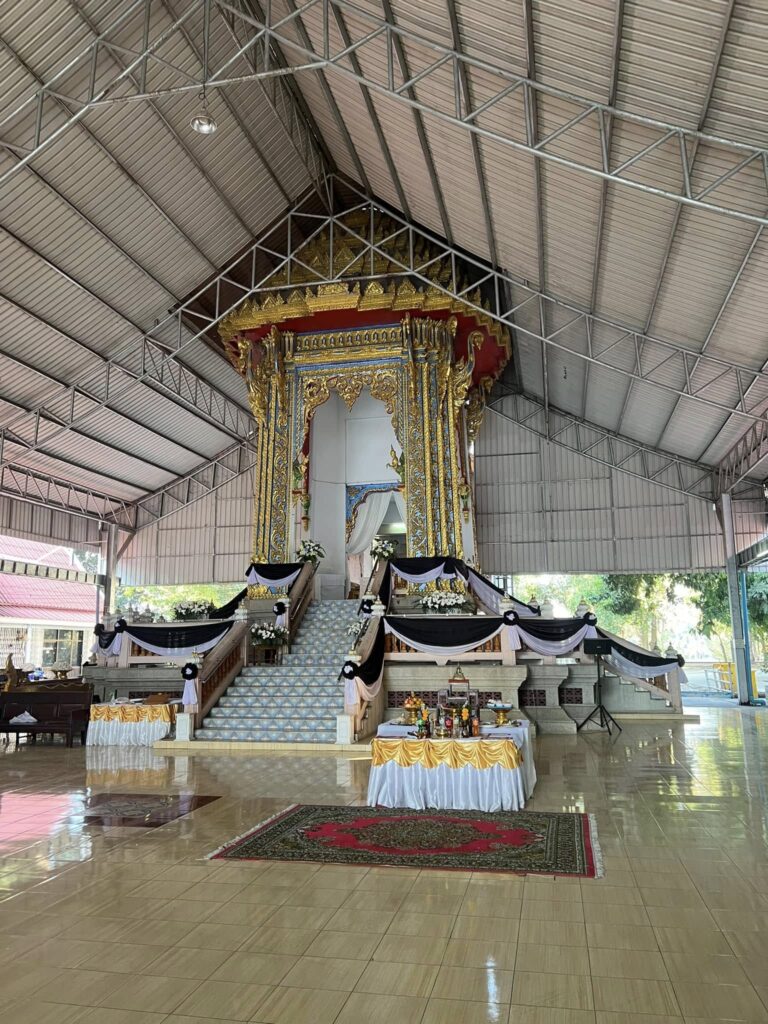
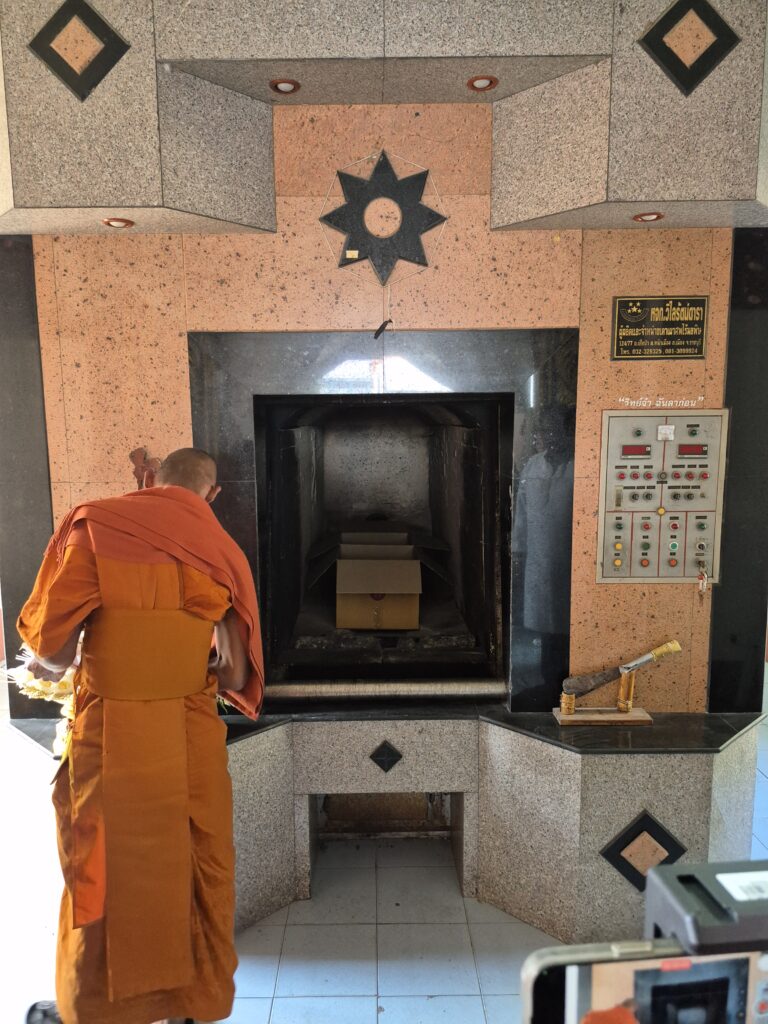
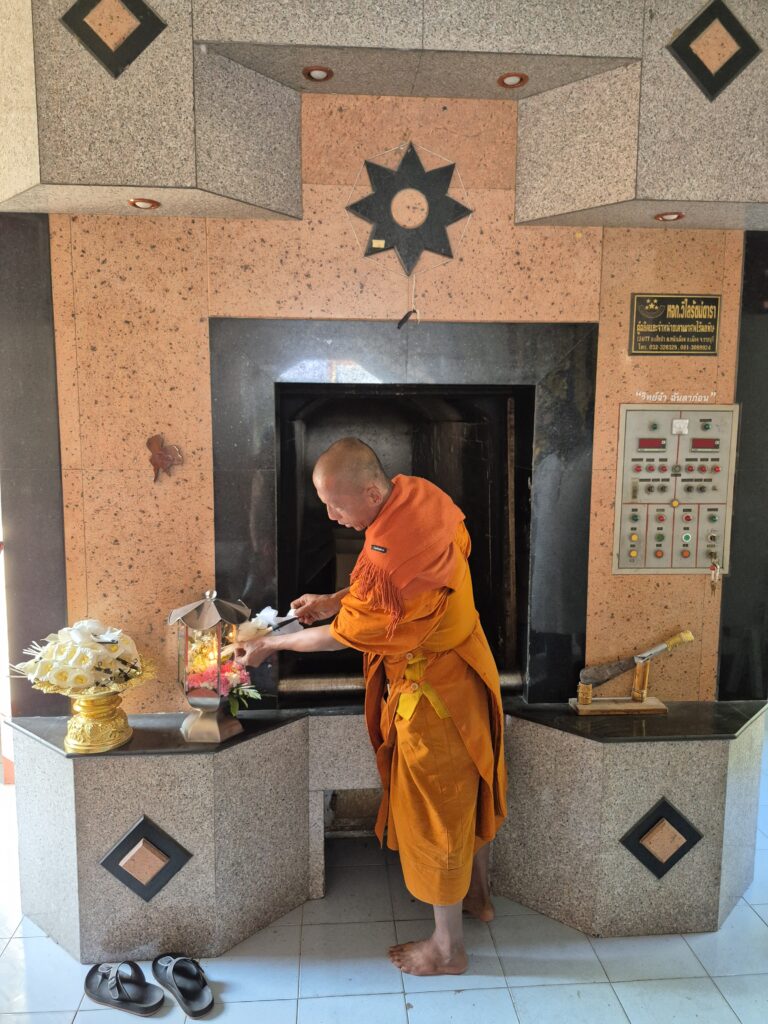
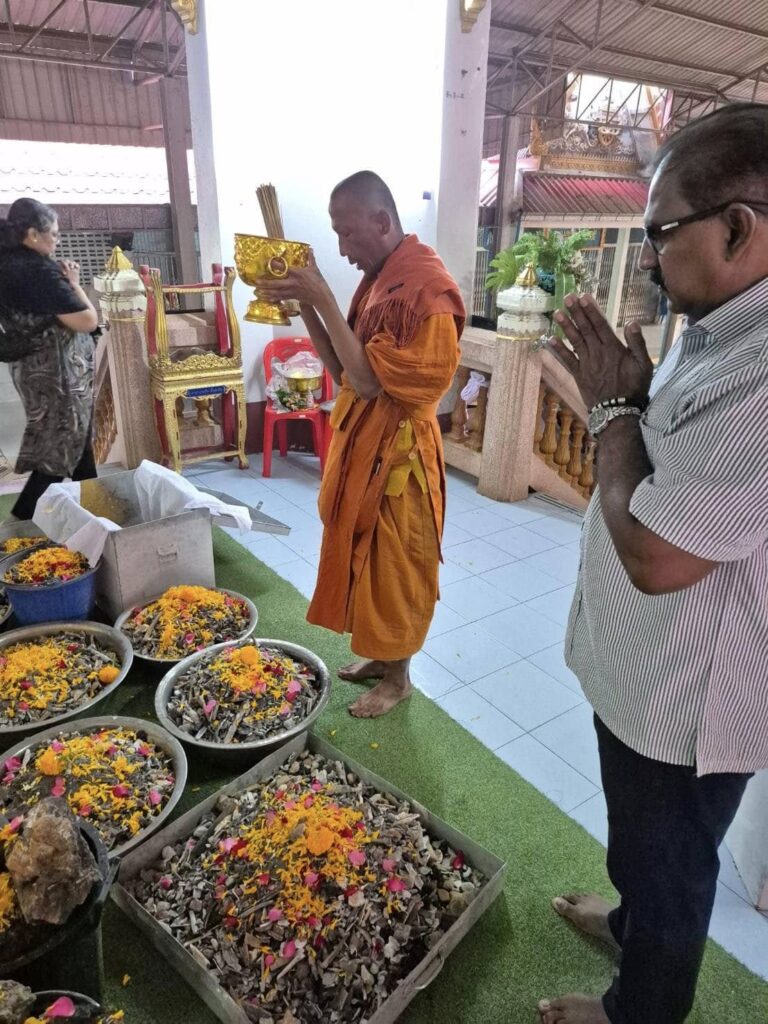
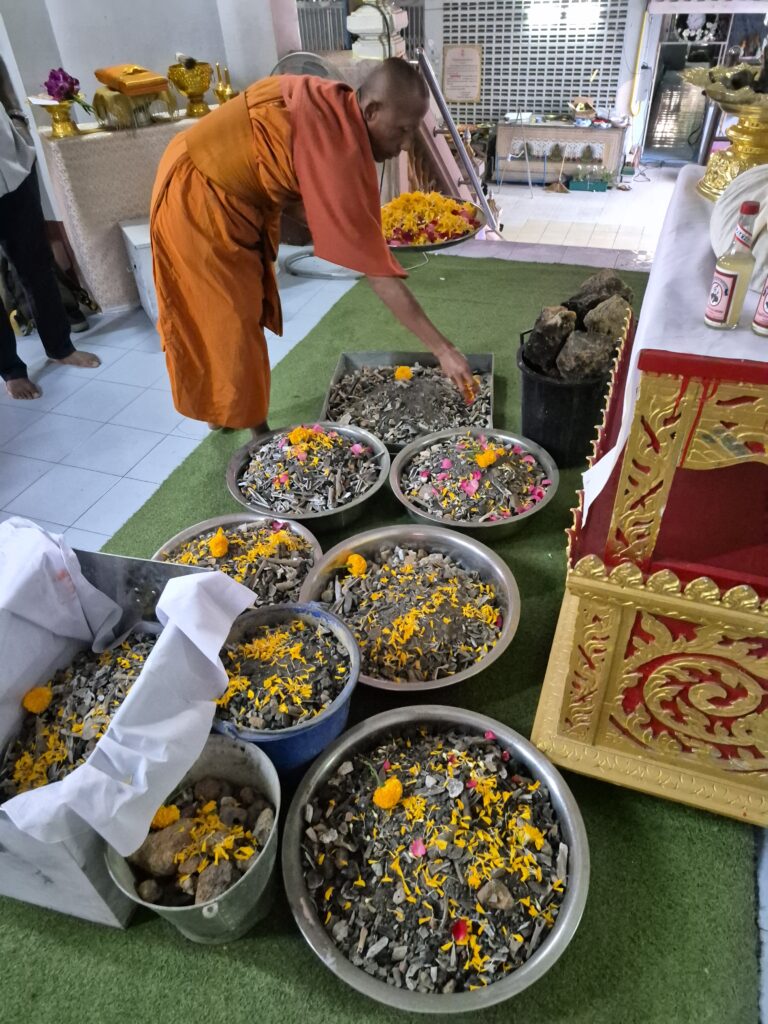
Over the next twelve hours, the 14 boxes of bones were cremated. As the cremains were cooled, it was noted that there were some artifacts among them. These consisted of two metal spoons and broken glass that appeared as if it may have been a bottle. These were removed and will undergo further investigation. Surprisingly, there were also some concretions that appeared to contain bone fragments but refused to be reduced to ash in the cremation furnace.
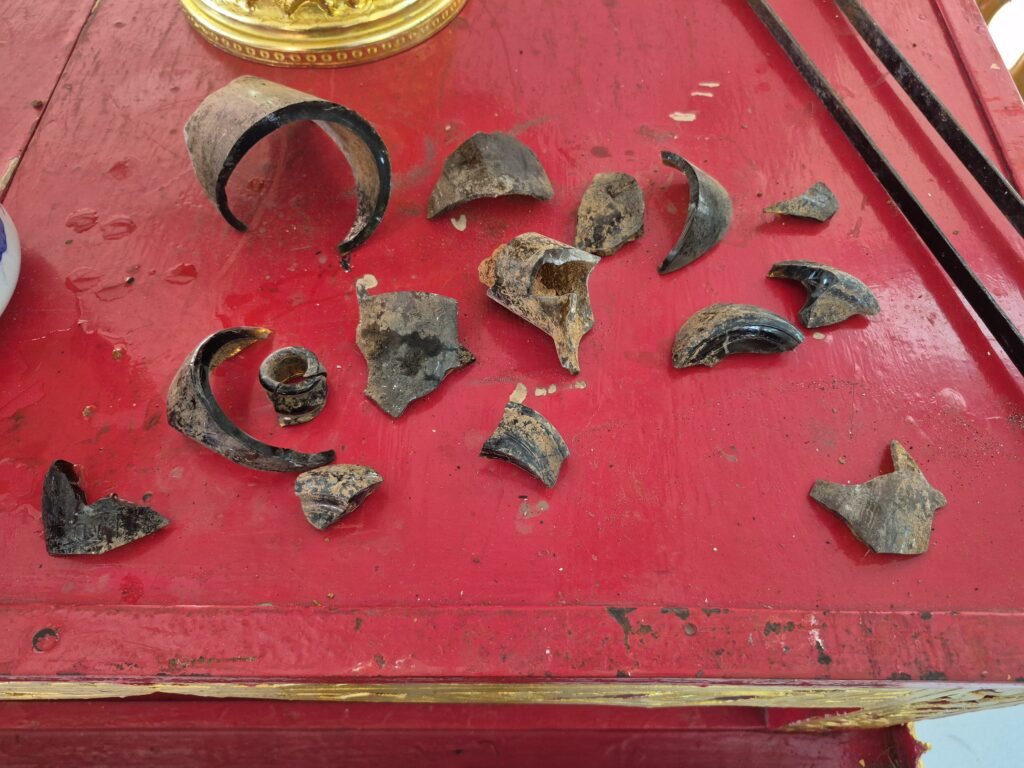
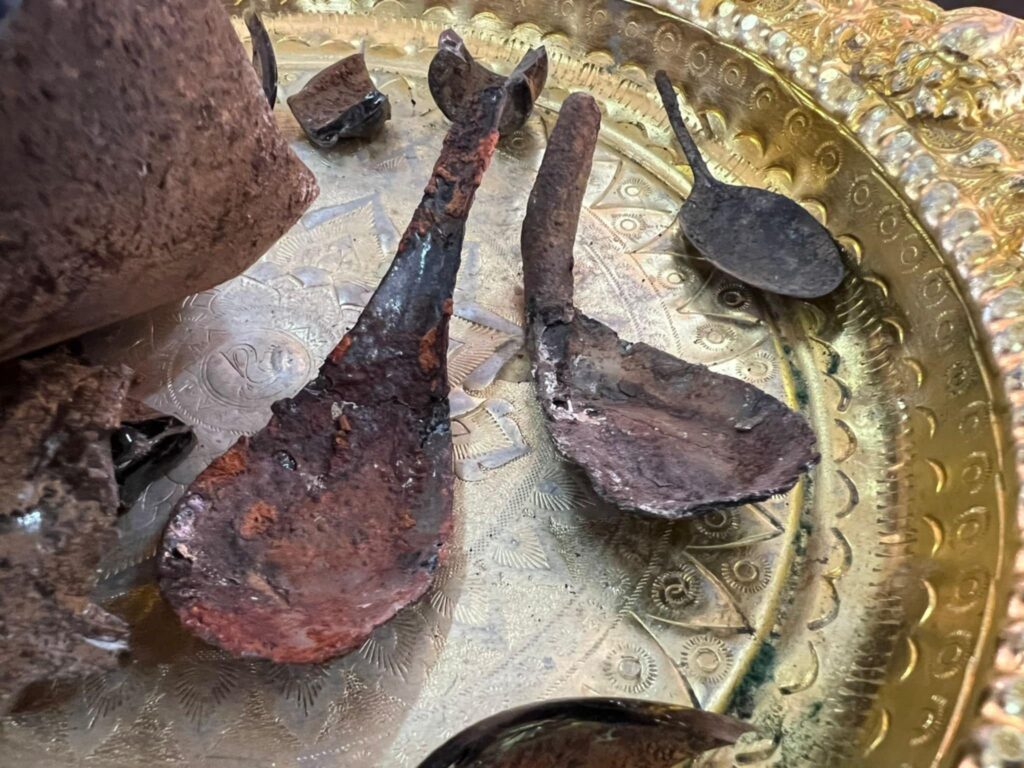
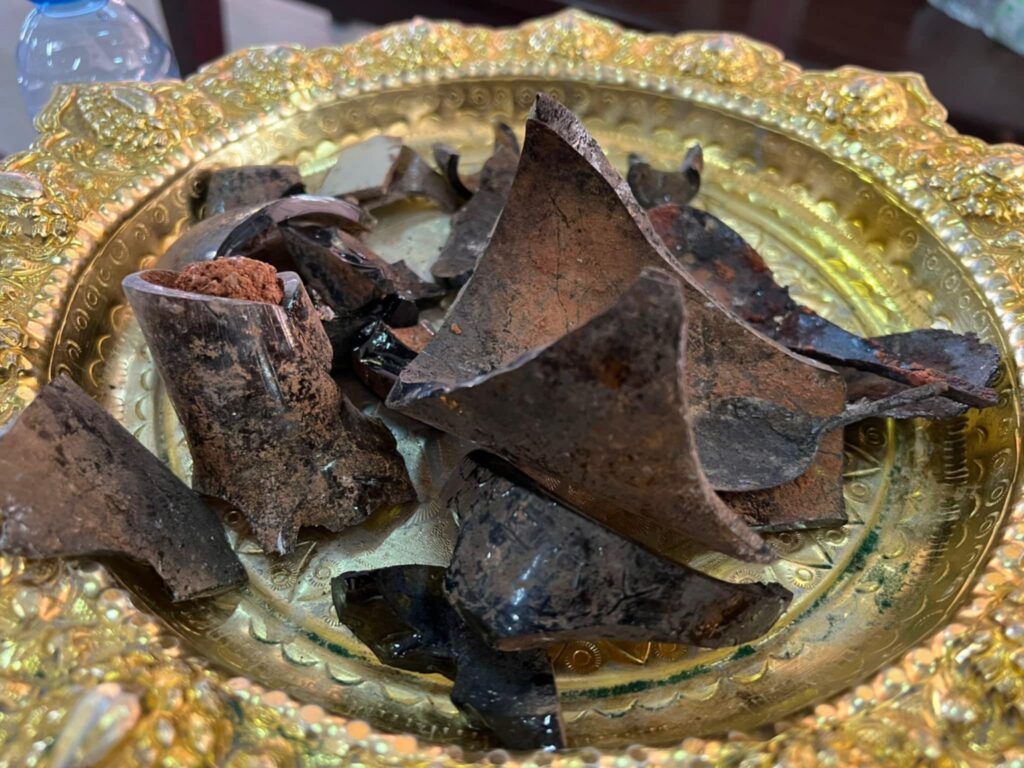
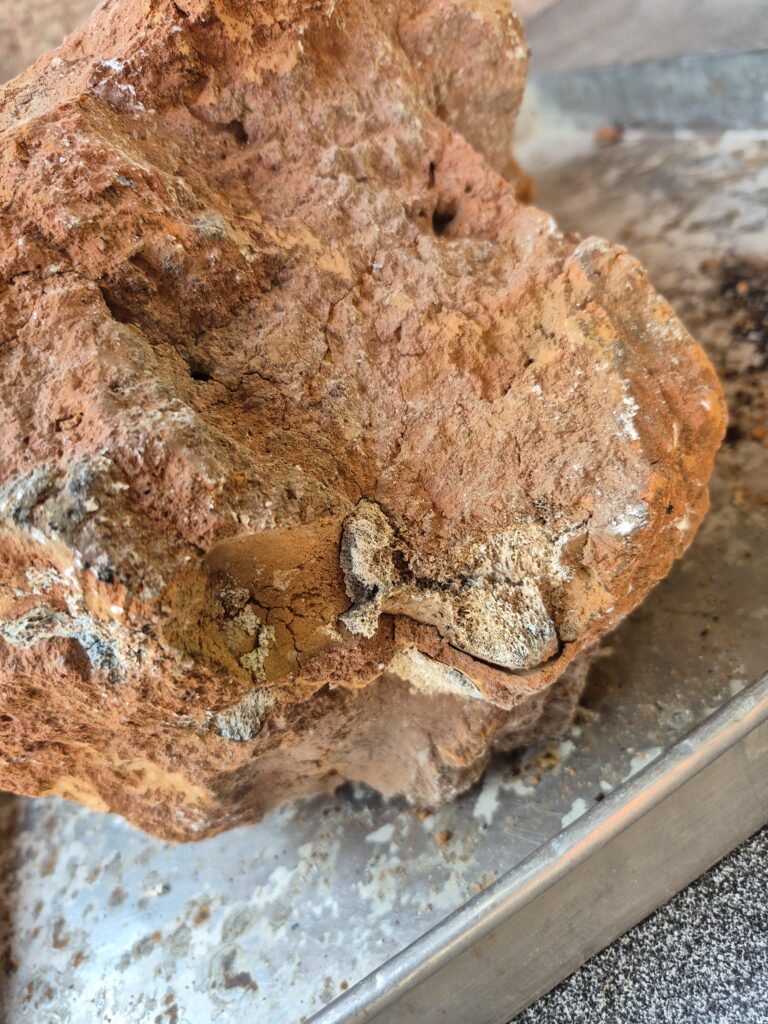
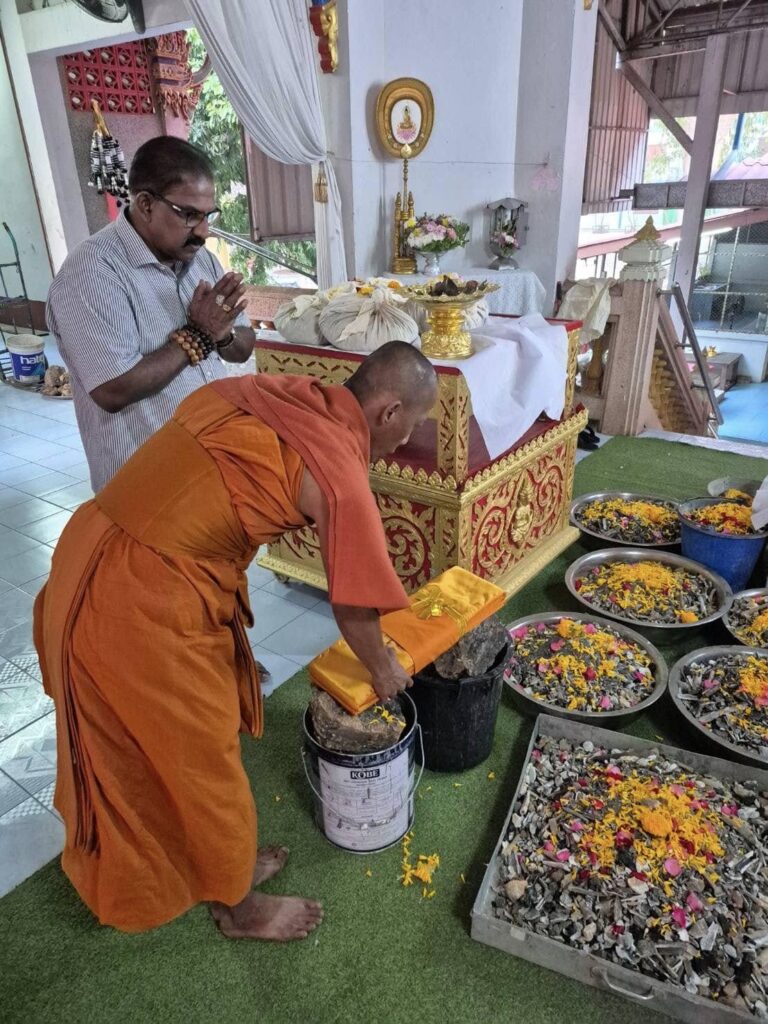
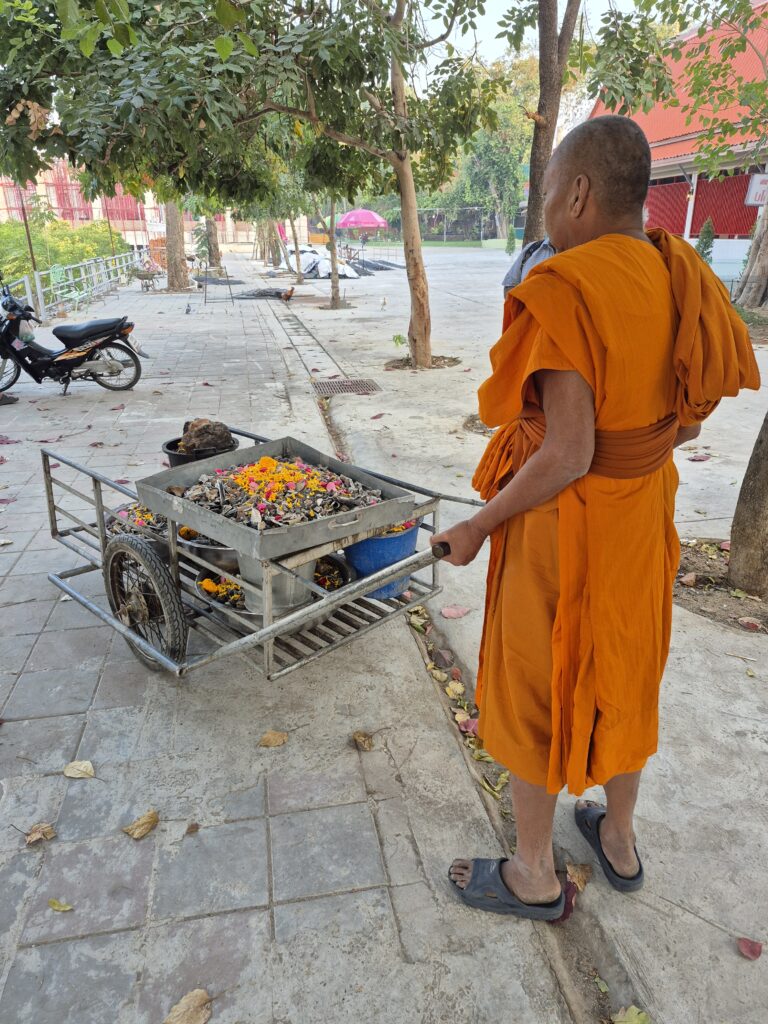
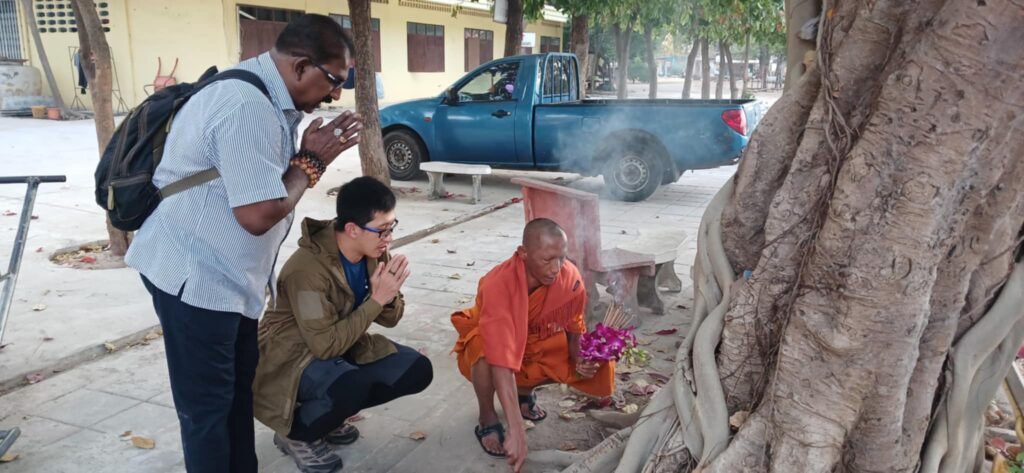
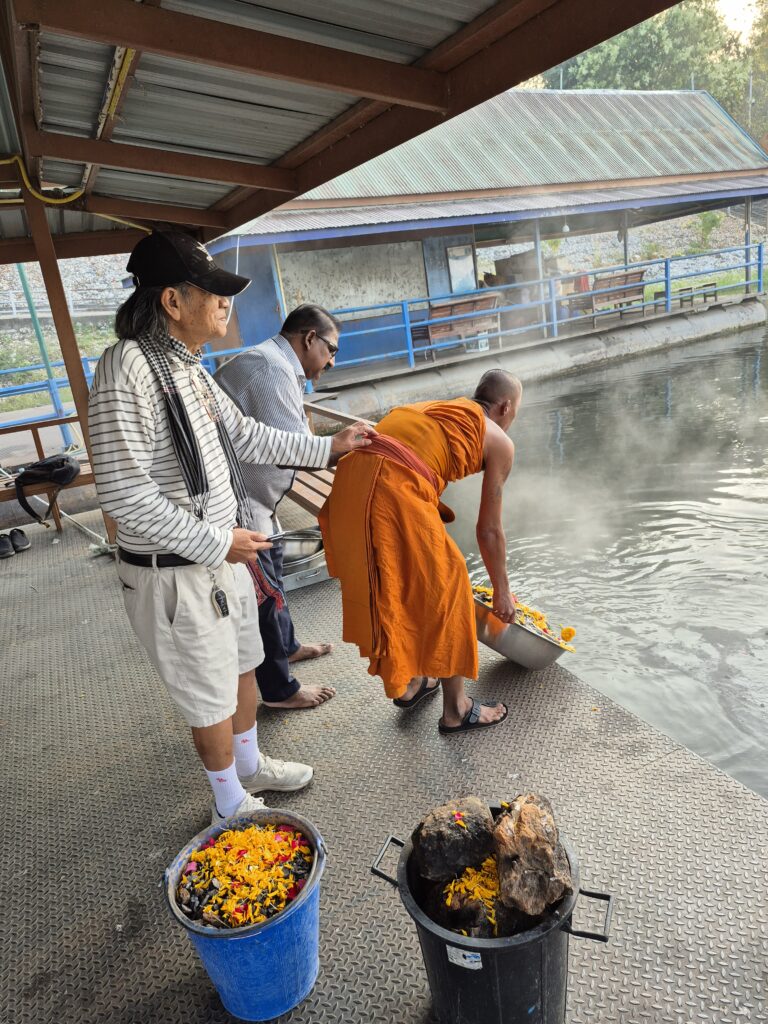
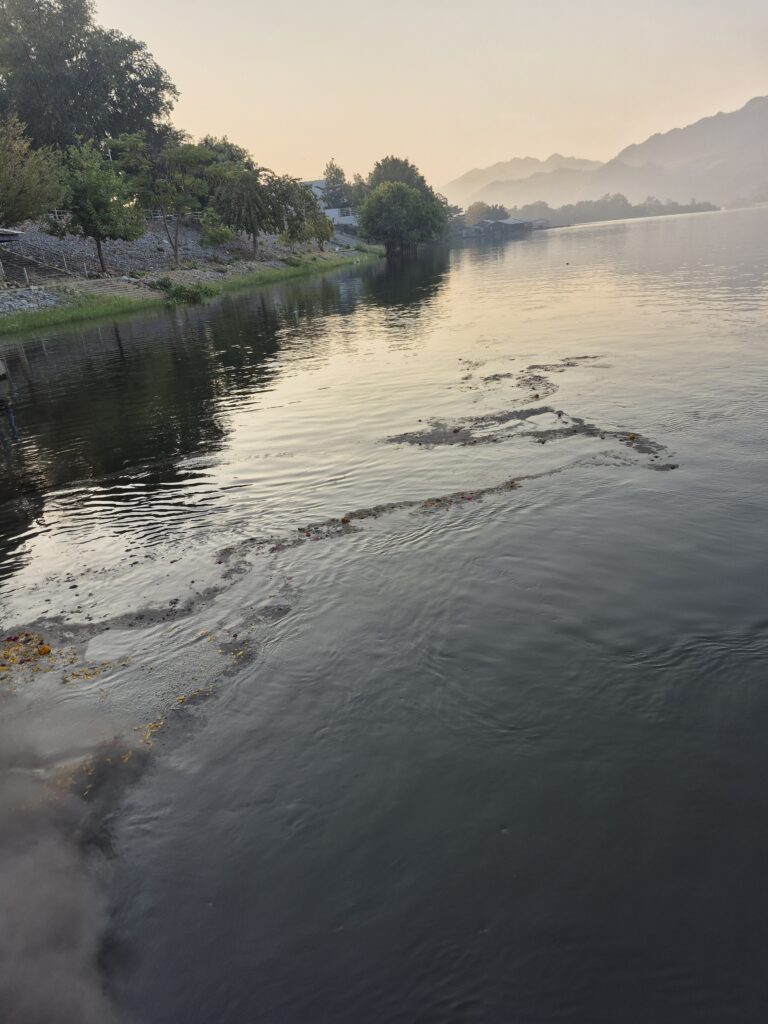
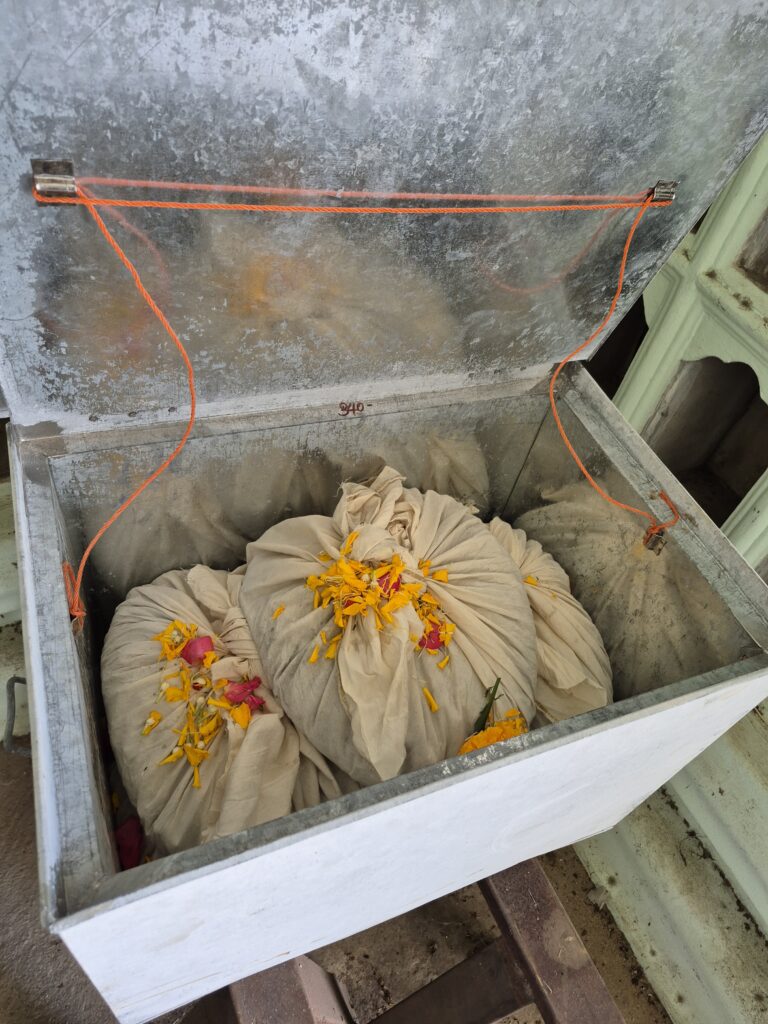
The cremains were separated into three sets: the skulls and the two ’complete skeletons’ were wrapped separately; the cremated bones were placed in containers as were the unburnt concretions. Following another series of chants and blessings to honor the deceased, the latter two groups were transported to the Mae Klong River and committed to the water as per traditional Hindu burial practices.
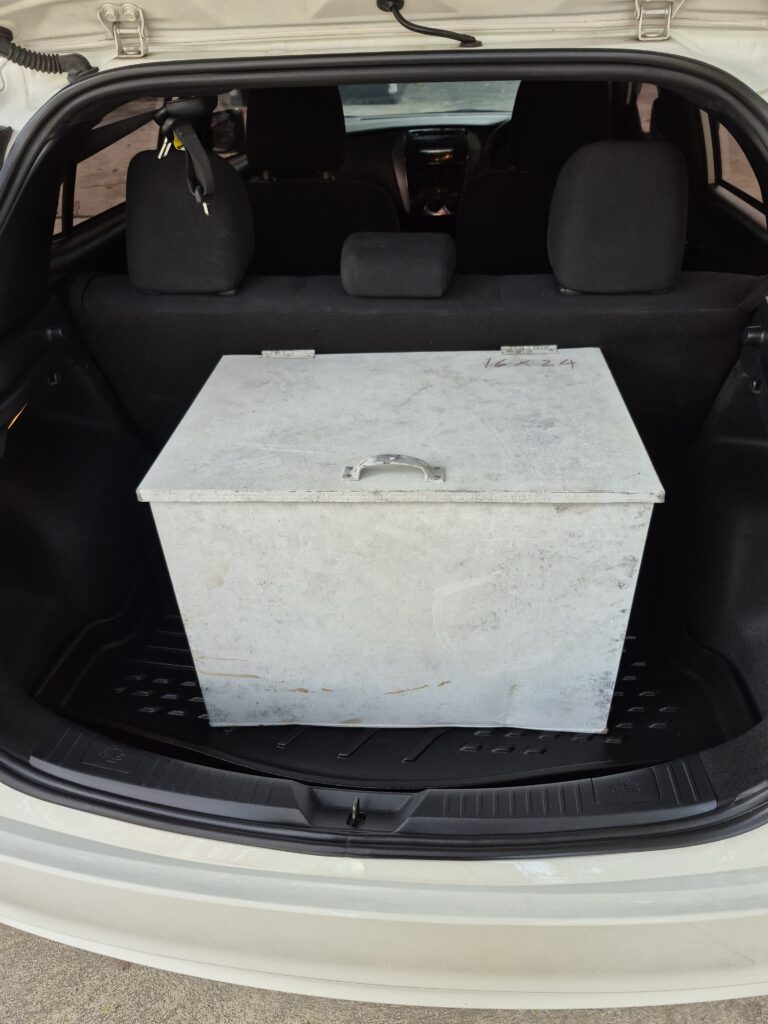
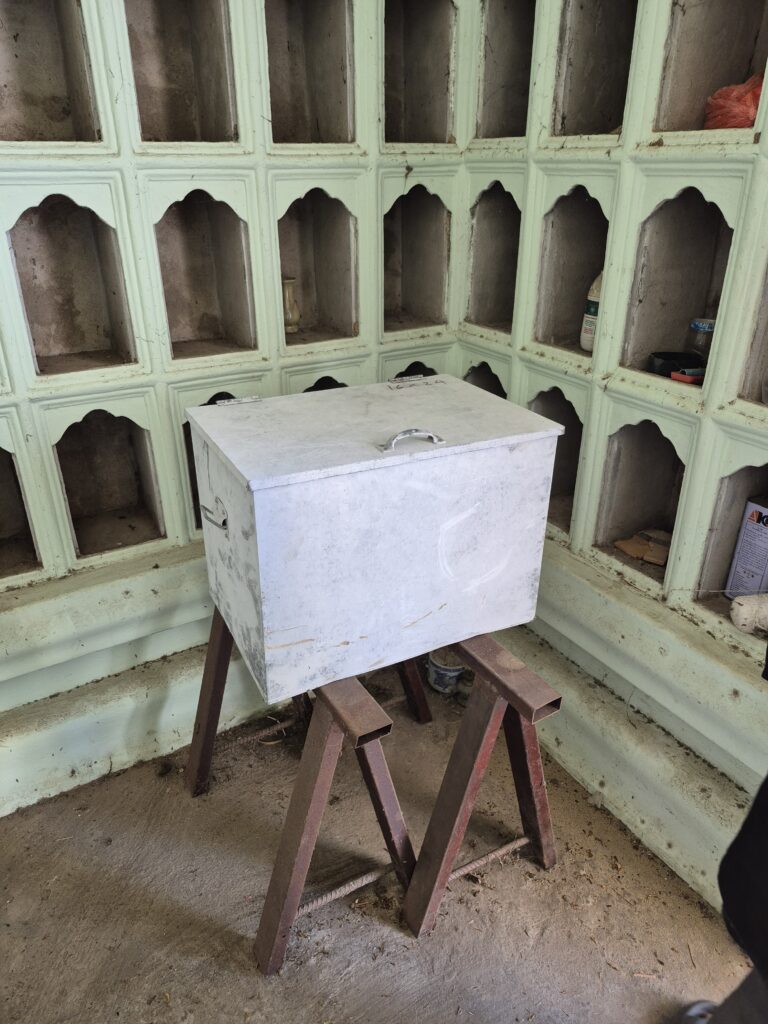
The wrapped skulls and skeletons were collected in a specially prepared container. This was transported to Wat ThaWorn Wararam for storage under the auspices of the temple’s abbot until arrangements can be made to have them added to the burials in the Chedi Niranam on the temple grounds.
MIB Chairman Dr. Silva Kumar summed up this effort:
”The last journey of the so called 106 R Bones after cremation.
The final journey of eternity for the 106 Romusha bones which were released by the temple into the river. The remaining skulls were cremated and are kept for April 2 Cheng Meng prayers. On April 2nd the remaining will hopefully be buried with the rest. They are all kept in a safe place.
The act of sprinkling cremated bones in a river, especially near a temple, often holds significant cultural and spiritual meaning in various traditions. In many Hindu practices, for example, this ritual is believed to help the departed soul attain moksha, or liberation from the cycle of rebirth. The river is often seen as a sacred entity, and doing this near a temple can enhance the spiritual significance of the act.”
MIB member Vimalan Gunushakran wrote:
“In this moment of deep sorrow, we gather to honor the memory of the 106 romusha whose bones we lay to rest today. As we conduct our prayers and send them off with reverence, let us remember their lives, their struggles, and the resilience they embodied.
May they find peace in the embrace of their creators, reunited after 90 to 130 years of waiting. May our hearts be filled with compassion for their journey and may we carry their stories forward, ensuring their sacrifices are never forgotten.
In this sacred farewell, we send our love and respect, trusting that they are now free from pain and suffering. Rest in peace, dear souls.”
In accordance with the Hindu traditions and beliefs concerning the Lord Shiva, it is hoped that these deceased can find peace under his acceptance and protection. The Nadukal erected in 2024 at the Chedi Niranam links the worlds of Mahayana Buddhism and Hinduism reflecting the mutual and eternal admiration and respect for the suffering that these deceased endured during World War II.
The MIB wishes to express its sincere and eternal gratitude to those who participated in this historic event as well as those who made it possible via their generous donations[3].
Professor P. Ramasamy Chairman Urimai wrote:
“Forgotten sacrifice: Honoring Tamil victims of Siam Death Railway
The closure of the Kanchanaburi Museum in Southern Thailand by the end of 2025 is set to erase a significant, albeit underrecognized, chapter of World War II history.
Among the casualties of this closure will be the cremation of the remains of 106 Tamil labourers who perished during the construction of the infamous Siam Death Railway.
These individuals represent just a fraction of the untold thousands of Tamil workers forcibly recruited under Japanese occupation, yet their story has largely been overlooked.
According to Silva Kumar, Chairman of The Malaysians and Indians in Bangkok (MIB), the remains were discovered years ago near the residence of the governor of Kanchanaburi.
While 500 bones were unearthed, only 106 were identified as Tamil labourers and handed over to the museum, with the rest cremated under Buddhist funeral rites.
The Siam Death Railway, stretching over 400 kilometers from Thailand to Burma, became a graveyard for its forced laborers.
Historian Michael Stenson estimated that of the more than 130,000 workers conscripted, fewer than half survived to return to Malaya.
These labourers, including British and Australian prisoners of war (POWs), Malays, and primarily Tamil workers, endured grueling conditions, starvation, disease, and abuse.
Anthropologist Ravindra K. Jain documented how Tamil workers were often kidnapped by the Japanese secret police, the Kempetai, in collaboration with estate managers, who identified vulnerable labourers for recruitment.
The absence of a memorial in Malaysia to honor these Tamil labourers is a glaring omission. Their sacrifice, pivotal in constructing this wartime railway, remains unacknowledged even in the country from which most of them were taken.
This neglect stands in stark contrast to the international recognition given to POWs who shared the same fate.
Rumors persist that the Japanese government compensated the Indian community for the horrors endured during the railway’s construction. However, no official confirmation exists, and questions remain whether funds, if received, were appropriately used under the administration of former Prime Minister Tun Dr. Mahathir Mohamad.
Efforts to establish a memorial in Malaysia have stalled. As the former Deputy Chief Minister of Penang, I once proposed erecting a memorial in Perai, even identifying a piece of land for the purpose.
Unfortunately, since my departure from government two years ago, the proposal appears to have been abandoned.
The closure of the Kanchanaburi Museum marks a turning point. While it has served as a somber reminder of these atrocities, its impending shutdown threatens to erase the little recognition these Tamil labourers have received.
It is imperative for the Malaysian government, particularly under the Madani administration, to address this historical oversight.
Constructing a memorial to honor the Tamil victims of the Death Railway would not only dignify their sacrifice but also educate future generations about this tragic chapter in history.
Additionally, the Tourism Ministry should recognize the potential of such a memorial as part of Malaysia’s historical and cultural tourism. Visitors are drawn not just by culinary and natural attractions but also by sites that carry deep historical significance. [emphasis added]
The Tamil labourers were not mere statistics of war—they were individuals who made the ultimate sacrifice. Their story deserves to be told, remembered, and honored with the dignity it so rightly warrants. As we edge closer to losing the tangible remains of their lives, let us not consign their memory to oblivion.”
[1] These were determined by the archeologists to be of Tamil origin.
[2] That owner, Khun Aran Chansiri, is now deceased. This museum should not be confused with the original JEATH museum located at Wat Chai Chumphon Chana Songkhram
[3] All funds expended went to cover the cost of the cremation and associated ceremonies. No funds were exchanged between MIB and the museum authorities.
===================
NOTE: The MIB wishes to thank Khun Thansawath Saranyathadawong who acted as an intermediary and facilitator in these events and provided many of the photographs displayed above